.avif)
.avif)
.avif)
The Best Casement Window Shades for Coastal Delmarva Peninsula Homes

Updated: 5 days ago
The best casement window shades for homes on the Delmarva Peninsula combine salt-resistant materials with crank-compatible designs that accommodate outward-opening windows. Hunter Douglas cellular shades with aluminum headrails, Norman woven wood shades with marine-grade finishes, and Graber solar screens with fiberglass mesh offer superior durability against coastal humidity and salt exposure while providing excellent light control and energy efficiency.
TL;DR Summary:
Top materials: Cellular honeycomb with aluminum components, fiberglass mesh solar screens, and marine-grade finished woven woods resist salt corrosion
Installation considerations: Inside mount requires careful depth measurement; outside mount works better for shallow casement frames
Energy benefits: Quality cellular shades reduce cooling costs by 15-25% in coastal homes with intense sun exposure
Maintenance needs: Monthly cleaning with mild soap prevents salt buildup that damages standard shade mechanisms
Professional advantage: Custom window treatments measurement ensures proper clearance for casement window hardware and crank operation
Coastal homeowners face unique challenges when selecting window treatments for casement windows. Salt air corrodes metal components, high humidity warps fabric materials, and the outward-opening design of casement windows limits installation options. At Home Blinds and Floors, we've observed how standard retail shades fail within 18-24 months in Delmarva's coastal environment, while properly selected materials can last 12-15 years. For more on what's available across the region, browse our full range of Delmarva Window Shades. Homeowners looking for Custom Shades tailored to coastal conditions will find a wide variety of options suited to the peninsula's unique climate.
Casement windows require specific shade configurations that won't interfere with the crank mechanism or window swing. The key lies in choosing corrosion-resistant materials and installation methods that complement rather than compete with the window's operation. This comprehensive guide evaluates the best shade options based on five years of installations across coastal Delaware and Maryland's Eastern Shore. Homeowners along the coast can also explore top window treatments for Ocean City coastal homes for additional inspiration. For a broader coastal perspective, our guide to custom window treatments for Rehoboth Beach homes offers additional style ideas suited to the peninsula.
What Makes Casement Windows Different for Shade Installation?
Casement windows hinge on one side and swing outward when opened, creating unique installation challenges for shades. The crank mechanism typically extends 2-3 inches into the window frame, requiring careful clearance planning during shade selection.
Unlike double-hung windows with straight vertical operation, casement windows need treatments that won't catch or interfere with the outward swing. The window frame depth varies significantly, with newer coastal construction featuring deeper frames for hurricane resistance.
Salt exposure presents additional complications. Standard aluminum components develop white corrosion within months of installation, while fabric treatments fade and stiffen from constant salt particle exposure. Coastal winds also create higher stress on mounting hardware compared to inland installations. Our guide to best blinds for casement windows in Delmarva homes covers related hardware considerations in depth.
Inside Mount vs Outside Mount Considerations
Inside mounting works when window frames have sufficient depth (minimum 2.5 inches) and adequate clearance around crank hardware. This approach provides the cleanest appearance and maximum insulation benefits.
Outside mounting becomes necessary for shallow frames or when crank mechanisms extend too far into the frame. While slightly less energy-efficient, outside mounting eliminates interference issues and works with any casement window configuration. Homeowners with unusual window shapes may also want to review best blinds for curved windows on the Delmarva Peninsula for related mounting insights. Those dealing with specialty window shapes can also explore custom blinds for odd-shaped windows for additional solutions. For specialty arch and curved windows, our Arched Window Treatments resource offers further guidance on non-standard window configurations. Homeowners dealing with angled or uniquely shaped windows can also find helpful tips in our guide to shades for angled windows. For homes with specialty curved or uniquely shaped openings, our Curved Window Solutions category covers treatments designed for non-standard window frames.
Which Shade Materials Perform Best in Coastal Conditions?
Cellular honeycomb shades with aluminum headrails and stainless steel components offer the best combination of durability and energy efficiency. The honeycomb structure provides insulation while aluminum construction resists salt corrosion better than standard steel mechanisms. For a detailed comparison, see our guide on single cell vs double cell cellular shades for Delmarva homes. Homeowners comparing cellular shades to other options can also read our guide on cellular shades vs blinds for Delmarva homeowners for a side-by-side breakdown.
Fiberglass solar screens excel in high-UV coastal environments. The mesh construction allows air circulation while blocking 80-90% of harmful UV rays. Marine-grade fiberglass won't degrade from salt exposure like traditional vinyl screens. The E Screen GREENGUARD Gold Certificate is one example of how leading manufacturers validate the indoor air quality and durability claims of their coastal-grade solar fabrics. For a broader comparison of solar and roller options, see our guide on solar shades vs roller shades for Delmarva homes. Homeowners seeking sunroom-specific solar shade options can also consult our guide on best solar shades for sunrooms in Delmarva. For Outdoor View Enhancements that preserve your coastal sightlines, solar screen fabrics are among the top-performing options available.
Woven wood shades with marine-grade protective finishes bring natural aesthetics while resisting moisture damage. The key lies in selecting woods treated specifically for coastal applications, not standard interior finishes. Learn more in our woven wood shades guide for Delmarva homeowners. For a full look at natural woven options, also browse our natural woven shades guide for Delmarva homes.
Materials to Avoid in Coastal Settings
Standard vinyl and fabric roller shades deteriorate rapidly in salt air. Vinyl becomes brittle and cracks within two years, while untreated fabrics fade and develop mold from constant humidity exposure.
Basic aluminum mini-blinds corrode quickly, leaving white powder residue and eventually seizing the tilt mechanisms. Steel components in budget shades rust through completely within 18-24 months of coastal installation. Homeowners weighing their options can review our comparison of blinds vs shades for Delmarva homes to determine the best fit. For guidance on choosing between faux wood vs wood blinds for Delmarva homes, our detailed comparison covers durability in coastal conditions. Homeowners wanting to explore the full range of Custom Blinds designed for coastal performance will find options suited to salt-air environments. For a side-by-side look at how cordless faux wood options hold up over time, our guide on Cordless Faux Wood Blinds The 3 Year Failure Point 2026 Brand Guide reveals which brands last longest in demanding coastal environments.
How Do You Measure Casement Windows for Proper Shade Fit?
Accurate measurement requires accounting for both the window opening and hardware clearances. Start by measuring the width at three points: top, middle, and bottom of the frame. Use the narrowest measurement for inside mount installations.
Depth measurement determines mounting feasibility. Measure from the front of the window frame to the glass at several points. Casement windows often have uneven depths due to crank mechanisms and weatherstripping.
Crank clearance requires special attention. Measure the distance from the crank handle to both the glass and frame sides when the window is closed. Add 1 inch clearance minimum for safe shade operation. Our resource on how to measure windows for blinds for a perfect fit walks through every step in detail.
Professional Measurement Advantages
Home Blinds and Floors technicians use digital measuring tools that account for frame irregularities common in coastal construction. Settling and salt corrosion often create slight warping that affects shade operation.
Professional measurement includes hardware assessment, ensuring compatibility between shade mounting systems and existing window hardware. This prevents installation issues that arise from conflicting mounting points. Our expert guide to a perfect window measuring template for Delmarva homes provides additional detail on this process. Homeowners who prefer a step-by-step approach can also consult our guide on how to measure for blinds for a thorough walkthrough.
What Are the Top Casement Window Shade Recommendations?
Hunter Douglas Duette Architella cellular shades top our recommendations for coastal casement windows. The triple-cell construction provides superior insulation, while aluminum headrails resist corrosion. LiteRise cordless operation eliminates chain mechanisms that fail in salt air.
Norman Woven Woods with SmartPrivacy liners combine natural beauty with coastal durability. The marine-grade finish resists moisture and salt, while the privacy liner provides light control without compromising the wood aesthetic.
Graber EcoScreen solar shades offer excellent UV protection with fiberglass mesh construction. The 5% openness factor blocks intense coastal sun while maintaining ocean views. Aluminum components feature powder-coating specifically formulated for marine environments. For a broader look at energy-saving options, explore the ultimate guide to energy-efficient shades for Delmarva homes. Homeowners in Ocean City can also review dedicated options through our Ocean City window shades page.
Shade Type | Best Feature | Coastal Durability | Energy Efficiency | Price Range |
Cellular Honeycomb | Insulation value | Excellent | High (R-value 3.5-5) | $180-350/window |
Solar Screens | UV protection | Excellent | Medium (heat reduction) | $120-220/window |
Woven Wood | Natural aesthetics | Good with treatment | Medium | $200-400/window |
Roller Shades | Simple operation | Fair | Low-medium | $90-180/window |
How Do Installation Methods Affect Performance?
Inside mount installation provides maximum energy efficiency by creating a sealed pocket of air between the shade and glass. This method works best with cellular shades that have side seals to eliminate light gaps.
The mounting brackets must avoid interference with window operation. Professional installers position brackets to clear crank mechanisms while providing secure mounting into solid frame material.
Outside mount installation sacrifices some energy efficiency but accommodates any casement window configuration. The shade extends beyond the frame, eliminating clearance issues with hardware or shallow frames. For professional installation support across the region, see our expert guide to window treatments installation in Delmarva. Coastal homeowners near the bay can also find local support through our Kent Island window shades page.
Common Installation Mistakes
DIY installations often fail to account for seasonal frame movement. Coastal homes experience significant expansion and contraction that can bind improperly fitted shades.
Inadequate bracket spacing leads to sagging with wider casement windows. Professional installations use additional brackets every 36 inches to maintain proper shade alignment and operation. Homeowners who prefer professional help can also read about professional window treatment installation in Delmarva for guidance on choosing a qualified installer. Our guide to Hunter Douglas shade installation in Delmarva offers brand-specific advice for coastal settings. Homeowners in the Annapolis area can also find region-specific installation guidance through our resource on window treatments installation Annapolis, MD.
What Maintenance Do Coastal Window Shades Require?
Monthly cleaning prevents salt buildup that damages operating mechanisms. Use a damp cloth with mild soap solution to wipe headrails and hardware components. Avoid harsh chemicals that can damage protective coatings.
Fabric components benefit from gentle vacuuming with brush attachments. Cellular shades require care to avoid crushing the honeycomb structure. Professional cleaning every 2-3 years extends shade lifespan significantly. Our expert guide to cleaning window shades in your Delmarva home covers the full process.
Operating mechanisms need periodic lubrication with marine-grade lubricants. Standard household oils attract salt and grit, causing premature failure of pulleys and chains. For step-by-step cleaning tips, see our guide on how to clean blinds with easy tips for sparkling windows. Homeowners dealing with cellular shade wear can also consult our resource on repairing cellular shades for common coastal maintenance fixes. For ongoing maintenance reference, the official Cleaning, Maintenance and Operating Instructions from Hunter Douglas provides manufacturer-recommended care protocols for shade fabrics and hardware.
Seasonal Maintenance Schedule
Spring cleaning should include thorough inspection of mounting hardware for corrosion signs. Tighten any loose brackets and replace corroded screws before they fail.
Fall preparation involves testing all operating mechanisms before winter storms. Replace worn chains or cords that might fail during high-wind events when secure window closure becomes critical. Homeowners looking to maximize year-round comfort can also explore best ways to block heat from windows in a Delmarva home for seasonal strategies. For those interested in outdoor shade options for patios and porches during warmer months, our guide to best shades for patios on the Delmarva Peninsula covers complementary exterior treatments.
How Much Should You Budget for Quality Casement Window Shades?
Professional-grade casement window shades for coastal applications typically range from $150-400 per window, including installation. This represents a significant premium over standard retail options but provides 3-4 times longer lifespan. For a full cost breakdown, see our guide on how much custom blinds cost on the Delmarva Peninsula.
The investment proves cost-effective when considering replacement frequency. Standard shades requiring replacement every 2-3 years cost more long-term than quality installations lasting 12-15 years.
Energy savings offset higher upfront costs. Quality cellular shades can reduce cooling bills by $200-400 annually in coastal homes with significant sun exposure. Homeowners interested in maximizing savings can also explore our guide on best insulating window shades for Delmarva homes to save energy. For more strategies, our resource on best window coverings to keep heat out of your Delmarva home highlights proven approaches for coastal energy savings. Homeowners seeking a broader look at energy-saving window treatments can also consult our guide on energy-efficient window treatments for Delmarva homes.
Factors Affecting Final Cost
Window size significantly impacts pricing, with larger casement windows requiring additional support brackets and heavier-duty mounting systems. Windows over 72 inches wide need reinforced headrails. Homeowners with oversized windows can also review best large window blinds ideas for homes on the Delmarva Peninsula for relevant sizing guidance.
Motorization adds $150-300 per window but proves valuable for hard-to-reach casement windows common in coastal home designs. Battery-powered systems eliminate wiring concerns with salt-air corrosion. Read more in our guide to motorized blinds for your Delmarva home. Homeowners curious whether the investment is worthwhile can also read our guide on are motorized blinds worth it for your home before deciding. For a step-by-step overview of the installation process, our Motorized Blinds Diy Complete Installation Guide walks through exactly what coastal homeowners can expect.
What Common Problems Should You Avoid?
Choosing standard retail shades for coastal applications leads to premature failure and frequent replacement costs. Box store options lack the marine-grade components necessary for salt-air durability.
Incorrect mounting depth calculations result in shades that interfere with window operation or fail to provide proper insulation. Professional measurement eliminates these costly mistakes.
Ignoring seasonal maintenance accelerates component failure. Salt buildup in operating mechanisms causes binding and eventual breakdown of pulleys, chains, and motor systems. Our resource on top low-maintenance blinds for homes in the Delmarva Peninsula highlights options that reduce upkeep demands in coastal settings. For a complete overview of available styles suited to the region, also browse our guide to window treatments on the Delmarva Peninsula. Homeowners near Rehoboth Beach can find locally relevant options through our Rehoboth Beach window shades page.
Warning Signs of Impending Shade Failure
White corrosion powder around mounting hardware indicates salt damage beginning. Address this immediately before brackets fail completely.
Difficult operation or binding when raising/lowering shades suggests mechanism contamination. Professional cleaning and lubrication can often restore smooth operation if addressed promptly. For guidance on when to repair versus replace, see our resource on blinds repair vs replace to make the most cost-effective decision. Homeowners seeking a trusted local expert can learn more through our Why Blinds And Shutters Near Me In Delmarva Means Choosing A Local Expert guide.
FAQ
Can motorized shades withstand coastal salt air?
Yes, but only with marine-grade motors sealed against moisture intrusion. Standard motorized shades fail within 12-18 months in coastal environments. Battery-powered systems last longer than hardwired options because they eliminate corrosion-prone electrical connections. Professional brands like Somfy and Hunter Douglas offer coastal-rated motors with extended warranties.
Do cellular shades really provide better insulation for casement windows?
Cellular shades create R-values between 3.5-5 when properly installed, compared to 0.5-1 for standard roller shades. The honeycomb structure traps air layers, reducing heat transfer through the glass. In coastal homes with intense summer sun, this translates to 15-25% cooling cost reduction according to Department of Energy studies. Homeowners can compare options further with our guide on double cell cellular shades for Delmarva homes. For a deeper look at honeycomb construction differences, our guide on single vs double cell honeycomb shades for Delmarva homeowners explains which performs better in coastal climates. Homeowners weighing cellular versus pleated styles can also review our Pleated Shades Vs Cellular Shades A Delmarva Homeowner S Guide for a detailed comparison. For fabric-specific performance data, the Fabric Selection Guide from Hunter Douglas provides detailed comparisons of insulation and light-filtering properties across shade fabric types.
How long should quality casement window shades last in coastal conditions?
Professional-grade shades with marine-rated components typically last 12-15 years with proper maintenance. Standard retail shades last only 2-3 years before salt corrosion and UV damage require replacement. The key difference lies in aluminum vs steel components and marine-grade vs standard finishes.
What's the best way to clean salt buildup from window shade hardware?
Use a soft cloth dampened with mild soap solution monthly to prevent buildup. For existing corrosion, apply white vinegar solution, let sit 10 minutes, then wipe clean. Never use abrasive cleaners that can damage protective coatings. Professional cleaning every 2-3 years maintains optimal operation. Our guide on how to wash window blinds offers detailed steps for Delmarva homeowners.
Are woven wood shades suitable for humid coastal environments?
Yes, when properly treated with marine-grade finishes that seal the wood against moisture absorption. Untreated woven woods will warp and develop mold in coastal humidity. Look for shades specifically rated for exterior or marine applications, which cost 20-30% more but provide necessary protection.
Should I choose inside or outside mount for my casement windows?
Inside mount provides better energy efficiency and appearance when frame depth exceeds 2.5 inches and clearance allows. Outside mount becomes necessary with shallow frames or prominent crank mechanisms. Professional measurement determines the best option for your specific window configuration and depth.
What warranty should I expect on coastal window shade installations?
Reputable installers provide 2-3 year warranties on coastal installations, covering both materials and labor. Manufacturers like Hunter Douglas offer extended warranties on marine-grade components. Standard retail warranties often exclude coastal installations due to accelerated wear from salt exposure.
Conclusion
Selecting the best casement window shades for Delmarva Peninsula homes requires balancing durability, functionality, and energy efficiency against the harsh coastal environment. Cellular honeycomb shades with aluminum components, marine-grade woven woods, and fiberglass solar screens represent the top choices for long-term performance. Professional measurement and installation ensure proper clearance for casement window operation while maximizing energy benefits. With proper material selection and maintenance, quality coastal window shades provide 12-15 years of reliable service while reducing energy costs and enhancing home comfort. For homeowners considering Shutters as an alternative, the same marine-grade material considerations apply to ensure long-lasting performance in coastal conditions. You can also explore our guide to custom plantation shutters in Delmarva for a complete overview of shutter options suited to coastal homes. Homeowners across the peninsula can also visit our Eastern Shore window shades page to explore options available throughout the region. Those near Lewes and the southern Delaware coast can find tailored solutions through our Lewes window shades page. Homeowners who also want to explore Custom Shutters as a long-term coastal solution will find options built to withstand the peninsula's salt air and humidity. For a full overview of products available for coastal homes, browse our Our Products page to find the right solution for every window in your home.
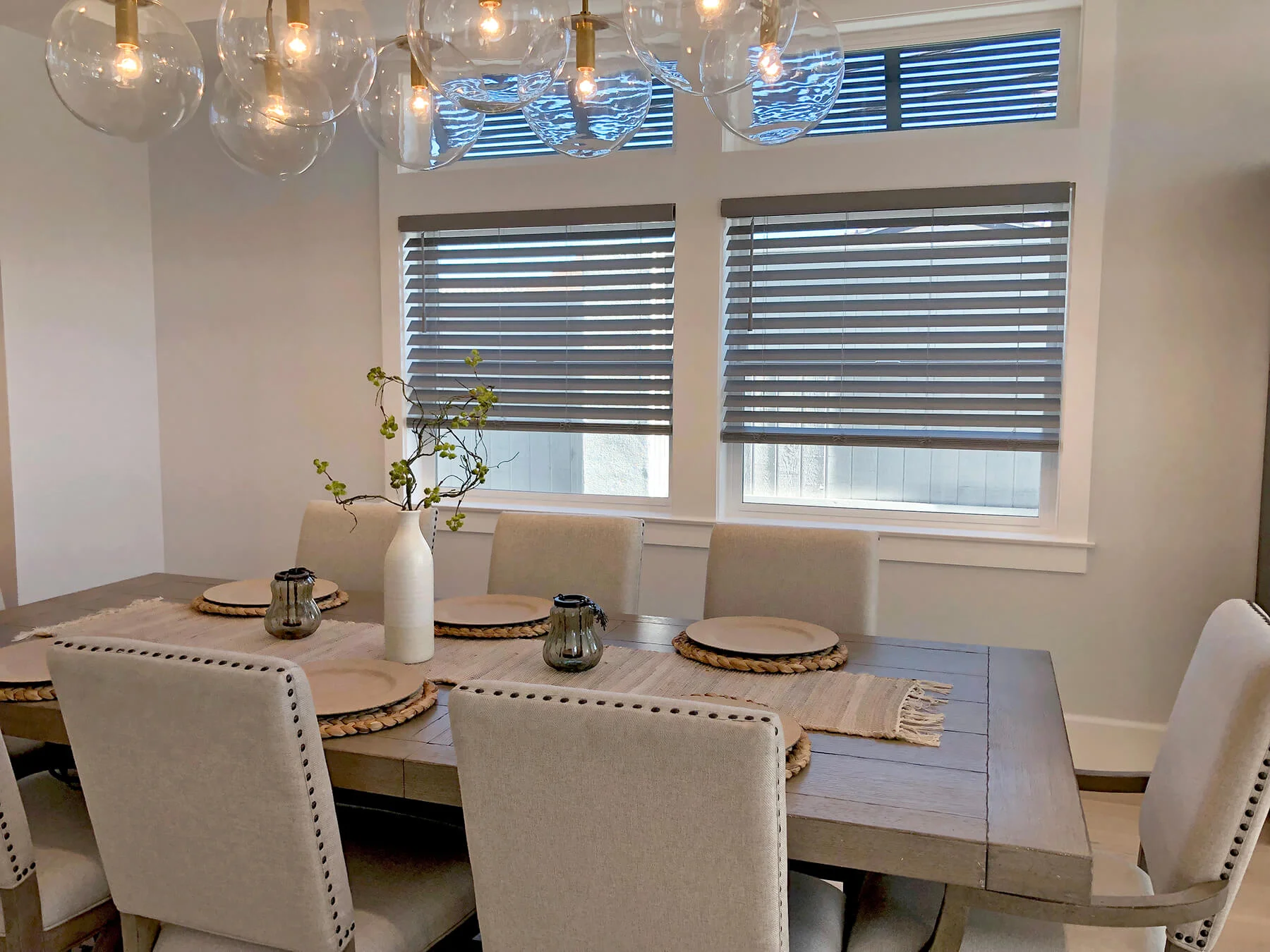
Ready to find the perfect casement window shades for your coastal home? Home Blinds and Floors specializes in marine-grade window treatments designed specifically for Delmarva Peninsula conditions. Our free in-home consultation includes professional measurement and customized recommendations based on your specific casement window configuration and coastal exposure. Contact us today for your personalized consultation, and check out our reviews to see why Delmarva homeowners trust us with their window treatment needs.


Comments