.avif)
.avif)
.avif)
Your Expert Guide to Hunter Douglas Shade Installation in Delmarva

TL;DR: Successful Hunter Douglas shade installation, whether DIY or professional, hinges on precise measurements, the right tools, and understanding the difference between inside and outside mounts. For complex systems like PowerView® Automation or tricky windows, professional installation by experts like Home Blinds & Floors is recommended to ensure a perfect fit and protect your warranty. This guide covers preparation, step-by-step mounting for various shade types, and troubleshooting common issues for homeowners across the Delmarva Peninsula.
Considering a DIY approach for your new Hunter Douglas shades? At Home Blinds & Floors, we help homeowners across the Eastern Shore achieve stunning results, whether they do it themselves or rely on our expert team. A successful Hunter Douglas shade installation is a rewarding project, but it requires careful planning and the right technique.
This guide will walk you through everything you need to know for a successful installation in your Delmarva home, from getting the measurements just right to the final adjustments. Think of this as your roadmap to a flawless finish.
Of course, if you’d rather skip the work and guarantee a perfect fit from the start, you can always book a free in-home consultation with our expert team at Home Blinds & Floors to handle the installation for you.
For those who love a good home improvement project, you might find other guides, like this one on how to build a patio, just as helpful.
Getting Your Windows Ready for Flawless Installation
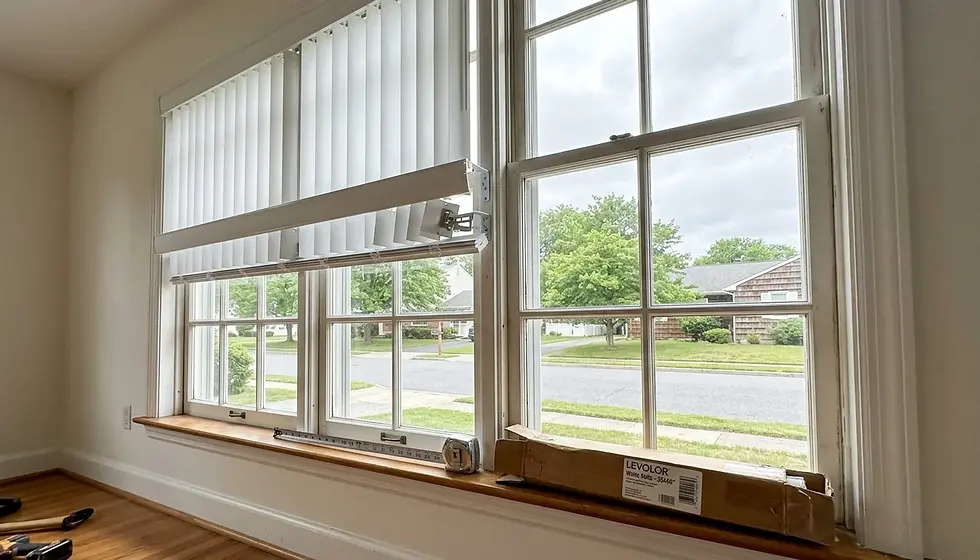
Before you even think about unwrapping your beautiful new Hunter Douglas shades, let's talk about preparation. This initial stage is what separates a DIY job from a professional-looking one, whether you're in a Rehoboth Beach cottage or a historic home in Easton. Getting it right saves a world of frustration later.
It all comes down to having the right tools ready and, crucially, getting your measurements spot-on.
Setting Up Your Workspace and Tools
First things first, give yourself room to work. Move any couches, chairs, or decor away from the windows. A clear, open space is a safe space. This is also the perfect time to give those windows a good cleaning. For some great tips, check out this guide on how to get streak-free windows.
Next, gather your toolkit. Lay everything out so it's within easy reach.
Steel Tape Measure: This is absolutely essential. Don't use a cloth or vinyl sewing tape—they can stretch and throw off your measurements.
Level: A must-have. Even slightly crooked brackets will make your shade hang noticeably off-kilter.
Pencil: For making clear, precise marks where your brackets will go.
Drill with appropriate bits: Your wall material (wood, drywall, plaster) will determine the right bit to use.
Screwdriver: A good old Phillips head screwdriver is what you'll need for most installations.
Choosing Between Inside vs. Outside Mount
Now for the make-or-break step: measuring. A mistake of even 1/8 of an inch can ruin the fit. Before you measure, you must decide if you want an inside mount or an outside mount, as they require completely different measuring techniques.
An inside mount fits the shade neatly inside the window casing for a clean, built-in look. An outside mount is installed on the wall or trim above the window, which can make a window feel larger and is a great solution for hiding less-than-perfect frames.
Factor | Inside Mount | Outside Mount |
|---|---|---|
Aesthetic | Clean, minimalist, and built-in. | Makes windows appear larger; more dramatic. |
Light Control | Allows small light gaps on the sides. | Offers better light blockage as it overlaps the frame. |
Best For | Windows with sufficient depth and attractive trim. | Shallow windows, out-of-square frames, or doors. |
Obstructions | Requires a clear window casing. | Can clear obstacles like cranks or handles. |
Insider Tip: Always measure the width in three places—top, middle, and bottom. Do the same for the height—left, middle, and right. For an inside mount, use the narrowest width and shortest height. For an outside mount, you'll need the widest and tallest measurements to ensure full coverage.
From free in-home consultations to flawless installation, Home Blinds & Floors takes the stress out of selecting window treatments. Our experts handle the professional measurements and guarantee a perfect fit every single time, whether you're in Salisbury, MD or Lewes, DE. If you're still set on doing it yourself, dive deeper with our complete guide on how to measure for blinds.
Mounting Your New Hunter Douglas Shades: A Step-by-Step Guide
Alright, you’ve double-checked your measurements and have your tools laid out. This is where your careful prep is about to pay off. We'll walk through the installation for three of the most popular styles we see in Delmarva homes: roller shades, honeycomb shades, and Roman shades. Each one has its own bracket system, but the goal is always a secure, level fit.
Before we begin, a quick reminder of the core steps.

These three simple actions—measure, gather, and clean—are what prevent nearly all the common headaches and ensure your shades work perfectly from the start.
Installing Roller and Solar Shades
Hunter Douglas Designer Roller Shades are popular for their clean look and straightforward installation. You'll typically be working with a simple set of brackets designed to hold the headrail.
Your first move is to mark where your brackets will go. Use your pencil and level to make your marks. If your brackets aren't perfectly level, the shade will hang crooked. Once marked, drill small pilot holes to prevent wood from splitting.
A Pro Tip From Experience: When you're screwing in the brackets, tighten them until they're snug, but don't overtighten. You can warp the bracket, making it difficult to click the headrail into place. The bracket should be firm and flush.
With both brackets securely attached, just push the headrail into the brackets until you hear a solid "click." That sound is your confirmation that it's locked in.
Installing Honeycomb and Cellular Shades
Here in Delmarva, we install a ton of Hunter Douglas Duette® Honeycomb Shades for their superior insulation. Luckily, they are also quite DIY-friendly. If you want a deeper dive, we have a whole article on how to install cellular shades.
The process starts just like with roller shades: mark your bracket locations. Pay close attention to the instructions from Hunter Douglas to ensure proper support. After drilling your pilot holes and mounting the brackets, you're ready to pop the shade in. Tilt the headrail forward, hook it onto the front edge of the brackets, and then roll it back and up until it snaps into place. Give the headrail a light tug downward to ensure it's secure.
Home Blinds & Floors offers a wide selection of custom blinds and shades in Delmarva, with expert installers who bring the showroom to your living room, ensuring every shade operates smoothly and looks perfect.
Installing Roman Shades
Vignette® Modern Roman Shades bring a soft, luxurious feel to a room. The bracket concept is the same, but the headrail is often heavier, and precision is everything if you want those fabric folds to hang just right.
Take your time marking the bracket locations. Use your level and measure twice. A slight misalignment will be noticeable in how the shade's soft loops stack up. Secure the brackets, and consider asking a friend for help lifting the shade into place. Roman shades often slide onto the brackets and then engage a locking mechanism. Once it's up, run the shade up and down a few times to ensure it operates smoothly.
Installing Motorized and Cordless Hunter Douglas Systems

Advanced operating systems like PowerView® Automation and the LiteRise® cordless lift are what set Hunter Douglas apart. Installing them requires more care than traditional corded shades, as it’s all about power and tension.
Powering Up Your PowerView Automation Shades
When installing motorized shades, the first question is power: a rechargeable battery wand or a hardwired DC power supply.
The Battery Wand Route For most homes on the Delmarva Peninsula, this is the go-to choice. It's a slim tube of batteries that tucks neatly behind the headrail. Your kit will come with clips to mount the wand, and it's a simple matter of plugging it into the shade's motor.
An Expert Tip: The battery wand is a fantastic, non-invasive option. Just remember you'll need to access it for recharging. For a deeper dive, check our guide on the Hunter Douglas battery wand in Delmarva.
The Hardwired Approach If you're building a new home or doing a major remodel, hardwiring is the gold standard. A Hunter Douglas shade installation of this complexity is a job for professionals working with an electrician.
As a local, family-run business, Home Blinds & Floors provides personal service, competitive pricing, and professional installation throughout Sussex, Wicomico, Kent, and beyond, often coordinating with builders for seamless results.
Pairing the Remote and Setting Limits
Once your motorized shade has power, you need to pair the remote and set the upper and lower travel limits. This tells the shade where to stop. Follow the instructions for your specific shade model exactly for perfect alignment. The automated blinds market is projected to hit USD 4.07 billion by 2031, largely due to easy smart home integration.
Nailing the Cordless LiteRise Installation
The magic of the LiteRise® system is its effortless simplicity. The secret is a finely tuned spring mechanism, and success depends on a perfectly level installation. If the headrail is even slightly off-kilter, the mechanism can bind. After you click the headrail into place, test it. If it doesn't stay put or feels finicky, double-check that your brackets are level.
When to Call a Professional for Your Hunter Douglas Installation
While installing your own Hunter Douglas shades can be satisfying, it’s smart to recognize when to call in an expert. Knowing when to hand the job over can save you stress, time, and the potential heartache of damaging a beautiful, custom window treatment.
Tricky Windows and Tough Spots
Not all windows are simple rectangles. If you're dealing with anything beyond a standard window, a professional's touch is needed.
Big, Heavy, or Awkward Windows: Two-story windows in a great room in Ocean City, for instance, are dangerous to handle without the right ladders and experience.
Specialty Shapes: Arches, angles, and bay windows require specific mounting hardware and know-how.
Hard-to-Reach Windows: Skylights or clerestory windows in a vaulted ceiling are a job for a pro, period.
A professional installer from Home Blinds & Floors brings years of hands-on experience and specialized tools to every job, whether we're in Rehoboth Beach or on Kent Island.
The Value of Guarantees and Peace of Mind
Perhaps the best reason to hire a professional is the confidence it provides. A professional installation is an insurance policy for your investment, guaranteeing a secure mount, smooth operation, and that your manufacturer’s warranty remains intact. Any damage caused during a DIY installation typically isn't covered by the Hunter Douglas warranty.
The data shows retrofitting blinds in existing homes is a huge part of the market, highlighting the value of professional installation to avoid issues like light gaps. You can explore the full research on the blinds and shades market to see the trends. For more on the benefits, see our guide to professional window treatment installation in Delmarva.
FAQs: Your Hunter Douglas Installation Questions Answered
If you're thinking about new Hunter Douglas shades, you likely have questions about the installation process. Here are some of the most common ones we hear from homeowners on the Delmarva Peninsula.
How long does a professional installation take?
A single, straightforward window typically takes about 30 to 45 minutes. Outfitting an entire home, especially with complex systems like PowerView® Automation, could take the better part of a day. The team at Home Blinds & Floors will provide a solid time estimate during your free in-home consultation.
Will a DIY installation void the Hunter Douglas warranty?
No, a DIY installation won't automatically void your warranty—if you follow the manufacturer's instructions perfectly. However, the Hunter Douglas Lifetime Limited Warranty explicitly does not cover any damage from improper installation. This is a major reason many homeowners in Salisbury and Rehoboth Beach trust us to handle it, as our work is guaranteed.
What is the cost difference between DIY and professional installation?
The DIY route costs your time and a few tools. Professional installation has a service fee, but you are paying for expertise and peace of mind. It ensures your measurements are correct, challenges are handled, and the result is flawless. We include this cost in your quote upfront, so there are no surprises.
What cities in Delmarva do you serve?
Home Blinds & Floors proudly serves the entire Delmarva Peninsula. Our installation team regularly covers Maryland communities like Salisbury, Ocean City, and Easton, as well as Delaware towns including Rehoboth Beach, Lewes, Dover, and all surrounding areas. If you're on the peninsula, we've got you covered.
How do I troubleshoot a Hunter Douglas shade that won't stay up?
For cordless systems like LiteRise®, a shade that drifts down usually needs a tension reset. First, pull the shade all the way down. Then, in one smooth motion, lift it completely to the top and hold it there for a few seconds. This often recalibrates the internal spring. If this doesn't work, check that the headrail is perfectly level. For more tips, see our Hunter Douglas blinds troubleshooting on the Delmarva Peninsula guide.
Your Delmarva Experts for Hunter Douglas Window Treatments
In summary, Home Blinds & Floors provides custom window treatments, expert advice, and professional in-home service to homes and businesses across the Delmarva Peninsula. From Rehoboth Beach to Easton, our team is here to help you choose the best shades, shutters, or blinds for your space and ensure a perfect installation. We handle every detail, from precise measurements to seamless integration of motorized systems, protecting your investment and making your home look its absolute best.
Schedule your free consultation today and let us bring the showroom to you.


Comments