.avif)
.avif)
.avif)
Blinds Repair vs Replace: The Complete Cost Decision Guide for 2026

Updated: Sep 16
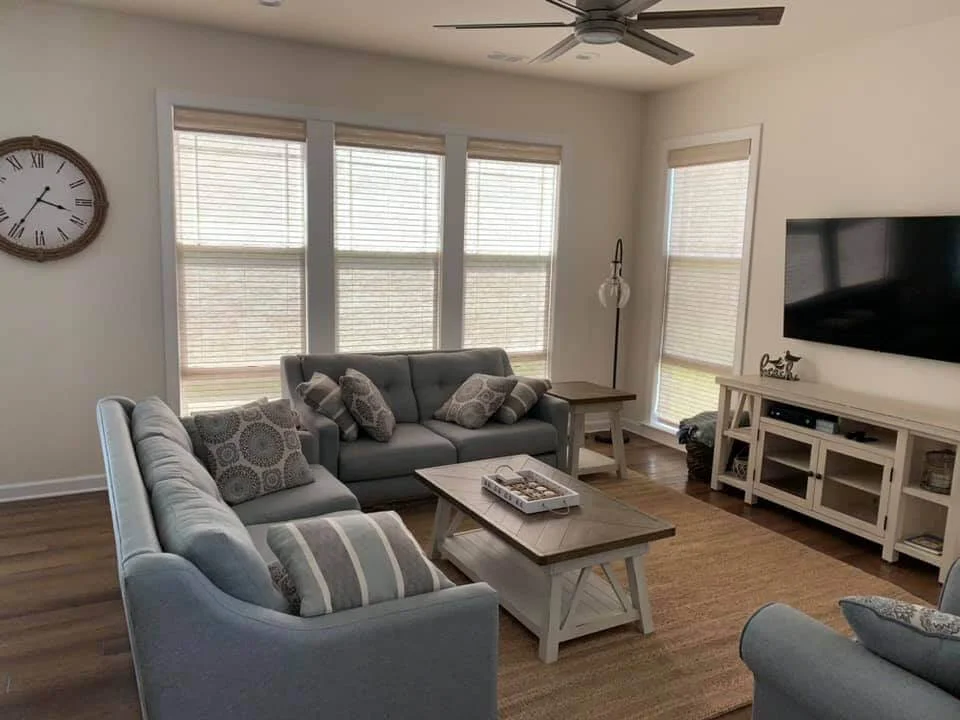
A cracked slat. A stuck cord. A motor that won't respond. These are the moments homeowners on the Delmarva Peninsula call us instead of reaching for a screwdriver. At Home Blinds and Floors, we provide blinds repair services across the region, evaluating repair feasibility, long-term value, and coastal durability before recommending a fix or a full replacement.
TL;DR Summary:
Repairs are usually cost-effective for minor issues like a broken cord or a single cracked slat
Mobile repair technicians typically handle cord replacement and slat repair in a single visit
A professional assessment takes 1-3 hours and tells you whether repair makes sense before you commit
Coastal environments add complications. Salt air and humidity accelerate wear on cords and mechanisms
DIY repairs save money upfront but can void warranties
Major manufacturers offer authorized dealer networks for warranty repairs
Every blind wears down eventually from daily operation and mechanical fatigue. Salt air adds another layer of complexity for coastal Delmarva homeowners. Deciding between professional repair and replacement means weighing upfront cost against how much life is left in the blind.
Mobile repair services have made it easier to get a technician to your door instead of hauling blinds into a shop. A professional assessment helps you decide based on your budget, your timeline, and what you want from the window. For a broader look at available options, see our guide to choosing the right window treatments for your Delmarva home.
What Types of Blind Damage Can Be Professionally Repaired?
Professional repair services for custom-fitted blinds handle a wide range of mechanical and cosmetic problems. Broken or frayed lift cords are among the most common issues, and replacing one restores smooth operation almost immediately. Slat replacement fixes warped, cracked, or pet-damaged individual slats without requiring you to replace the whole blind. For guidance on tackling these issues yourself, see our guide to fixing stuck blinds.
Tilter mechanisms frequently fail in high-use windows, causing slats to lose their adjustment capability. A technician replaces the internal tilter assembly, with pricing depending on blind type and accessibility. Mounting bracket problems, where blinds sag or pull away from the window, usually call for bracket reinforcement or replacement.
Cord tensioning problems create uneven blind operation, where one side lifts faster than the other. Fixing this means adjusting or replacing the cord lock mechanism. Valance clips break or pop off too: cheap to replace individually, though repeated clip failures often point to a bigger structural problem. For help choosing the right replacement style, see our guide to custom valances for blinds.
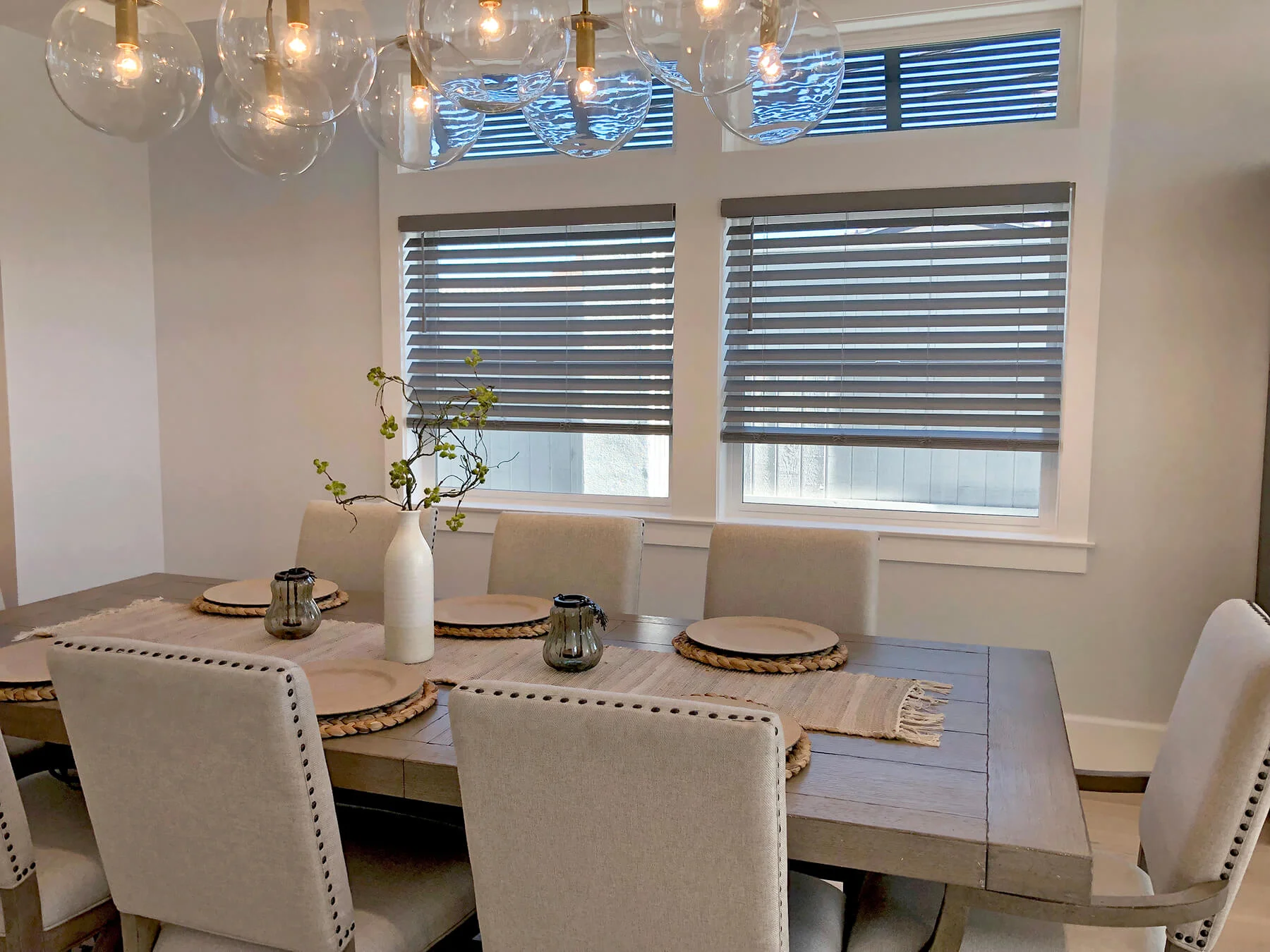
Motor failures in motorized blinds sit at the higher end of the repair cost spectrum. Even so, replacing the motor often costs less than replacing the entire blind when the fabric or slats are still in good shape. Our installation and repair resource for the Delmarva Peninsula covers these motor-related scenarios in detail.
How Much Do Professional Blinds Repair Services Actually Cost?
Mobile blind repair services generally charge a standard service call fee that covers diagnosis and most common fixes. Bloomin' Blinds, a national franchise network, charges no cost for warranty repairs and offers lifetime warranty coverage for original purchasers, covering warping, discoloration, and manufacturer defects.
Cord replacement is the most common repair for standard horizontal blinds. Vertical blind track repairs cost more because the headrail mechanism is more complex to service. Slat replacement pricing varies by material: vinyl slats are the cheapest, aluminum sits in the middle, and wood slats cost the most due to material and finishing.
Most companies apply a service call minimum regardless of repair complexity. Bundling multiple repairs into one visit brings the per-window cost down substantially. A typical repair visit runs 1-3 hours, so same-day completion is realistic for most issues.
Repair Type | Cost Range | Time Required | Success Rate |
Cord Replacement | $60-85 | 30-45 minutes | 95% |
Slat Replacement (per slat) | $3-20 | 10-15 minutes | 90% |
Tilter Mechanism | $45-75 | 20-30 minutes | 85% |
Mounting Bracket | $30-60 | 15-25 minutes | 98% |
Motor Replacement | $120-250 | 60-90 minutes | 80% |
Coastal areas tend to run higher on price. Salt air exposure means specialized materials and more frequent service visits. Homeowners in our service area can review our full pricing guide for the Delmarva Peninsula for a broader comparison.
When Does Replacement Make More Financial Sense Than Repair?
Here's the practical way to think about it: once repair costs start climbing toward what a new blind would cost, replacement wins. It's about whether you're paying to patch something that's already near the end of its useful life. Factor in the odds of needing another repair soon, plus how warranty coverage differs between a repaired blind and a new one.
Multiple simultaneous issues push repair costs up fast. A single window needing cord replacement plus three slat replacements and a tilter repair can add up close to the cost of a mid-range replacement blind. At that point, replacement is the obvious call.
Age matters too. Blinds over 10 years old often lack available replacement parts, forcing custom fabrication that drives repair costs up sharply. Older blinds may also fall short of current safety standards, especially around cordless operation in homes with kids. For child safety considerations, see our guide on child-proof window blind solutions.
Energy efficiency is another point in replacement's favor for older blinds that lack modern insulating properties. New honeycomb-style shades trap air and cut energy costs over time, which can offset the higher upfront price of replacing rather than repairing. Coastal homeowners in particular benefit from upgrading to materials built for high-humidity environments. For a detailed comparison of insulating options, see our guide to insulating window treatments for coastal homes.
Warranty coverage matters more than people expect. New blinds typically come with multi-year warranties covering both materials and installation. Repaired blinds may lose existing warranty protection or get limited coverage on the repair work only. You can also consult our homeowner's guide to fixing Hunter Douglas blinds for brand-specific warranty guidance. Homeowners weighing cordless faux wood options should also read our brand guide on common failure points in cordless faux wood blinds for insight into typical failure timelines.
What are the hidden costs of DIY Blind Repair?
DIY repair attempts often create more problems than they solve. Route a cord incorrectly and you can damage the internal mechanism, turning a simple cord swap into a full headrail rebuild costing far more. Results from DIY blind repair vary depending on the person's mechanical skill and how complex the problem actually is.
Part identification trips up a lot of homeowners attempting self-repair. Order the wrong part and you're stuck waiting on a return and a second shipment. Professional repair services keep extensive part inventories on hand and know how to diagnose the problem correctly the first time.
Proper blind repair calls for specialized tools such as cord tensioning tools and slat alignment jigs. These tools get used once and then sit in a drawer, which is why professional service makes more financial sense for most homeowners. If you do attempt your own repair, our guide on drill-free, damage-free blind installation is worth reading first.

Ladder work for high window repairs raises real safety concerns. Professional technicians bring the right equipment and carry insurance. DIY attempts risk a fall or property damage that costs more than the repair would have.
Warranty voiding is the hidden long-term cost nobody thinks about upfront. Most manufacturer warranties exclude coverage once a customer has attempted a repair, even if the original problem would have been covered. Reviewing the official Hunter Douglas maintenance and operating guide helps you understand what actions preserve or void your coverage.
How Do Coastal Conditions Affect Blind Repair Decisions?
Salt air speeds up blind deterioration across the Delmarva Peninsula. Standard aluminum blinds corrode within a few years of direct salt exposure, which makes repair a temporary fix at best. Vinyl and faux wood hold up better against salt but still need more frequent maintenance than an inland installation would. For a deeper look at material choices in coastal settings, see our guide to faux wood versus real wood blinds.
Humidity hits cords and fabric differently than a dry climate would. Natural fiber cords wear out faster near the coast and need replacing more often than the typical lifespan elsewhere. Repair technicians familiar with coastal challenges use marine-grade materials that extend how long a repair lasts.
Wind exposure on beachfront properties puts extra strain on mounting hardware and operating mechanisms. Standard repair techniques don't always account for that, and premature failure follows. Coastal conditions demand a different installation and repair approach than what generic services typically offer.
Hurricane season changes repair timing and material choices. A temporary fix completed right before storm season can fail under high wind, creating a real safety hazard. Professional services that know local weather patterns plan repair timing around it.
Sand gets into blind mechanisms near beach access points and causes ongoing problems. Regular cleaning and lubrication become part of the real cost of ownership, beyond whatever the initial repair bill was. Our guide on cleaning your blinds the right way in Delmarva covers these maintenance steps in detail. Homeowners seeking general blind cleaning tips will also find our piece on quick tips for sparkling-clean blinds a helpful reference.
What Professional Assessment Process Should Homeowners Expect?
A professional assessment starts with an on-site look at each window's condition, operating mechanism, and mounting system. The technician checks cord wear, slat alignment, and hardware stability to catch both obvious problems and issues that haven't failed yet. This heads off surprise costs after the work has already started.
Measurement verification confirms the right parts get ordered and flags compatibility issues with your existing hardware early. Most repair failures trace back to incorrect measurements or mismatched parts. Professional services follow a measurement protocol built to get it right the first time. For a step-by-step reference, see our expert guide to measuring for blinds.
Cost estimation covers labor, parts, and any mounting modifications needed. A reputable service hands you a written estimate detailing every charge and the expected timeline. Bloomin' Blinds requires an adult over 18 be present during service visits, which keeps authorization and communication clear.
Bundling opportunities often surface during assessment. Fix several minor issues in one visit and you cut per-window costs while avoiding a second service call down the road. An experienced technician spots these opportunities during the initial walkthrough.
Timeline depends on part availability and repair complexity. Standard repairs using common parts usually wrap up same-day. Specialized components can take 3-5 business days to arrive. A professional service tells you the timeline upfront so it doesn't collide with your schedule.
How Do Different Blind Types Affect Repair Costs and Success Rates?
Horizontal blinds are the easiest to repair, with a success rate above 90% for common issues. Slat replacement, cord tensioning, and tilter repairs all use standardized parts available across manufacturers. Aluminum mini blinds cost the least to repair thanks to simple mechanisms and wide part availability.
Vertical blinds are trickier because of their track systems and carrier mechanisms. Fixing track alignment takes specialized tools and know-how, which pushes the repair cost higher than horizontal blinds. Fabric vane replacement, though, costs less than horizontal slat replacement: so the overall economics balance out somewhat. Our guide to fixing broken vertical blinds walks through these repairs step by step. If you're considering alternatives, our piece on vertical blind alternatives for Delmarva homes covers modern replacement options.
Wood blinds cost more to repair because of material and customization requirements. Replacement slats often need custom staining to match the existing set, adding to the basic replacement cost. Still, solid wood blind frames usually justify the repair investment given how expensive full replacement runs. Homeowners comparing wood and faux wood options can also read our guide on wood versus faux wood blinds for a detailed material comparison.
Cellular shades need fabric repair skills that differ from standard blind mechanics. A fabric tear or seam separation requires textile repair experience, and success rates drop noticeably as damage gets more extensive. Motor-driven cellular shades add electronic components that need specialized diagnostic equipment. See our homeowner's guide to fixing common cellular shade issues for type-specific advice.
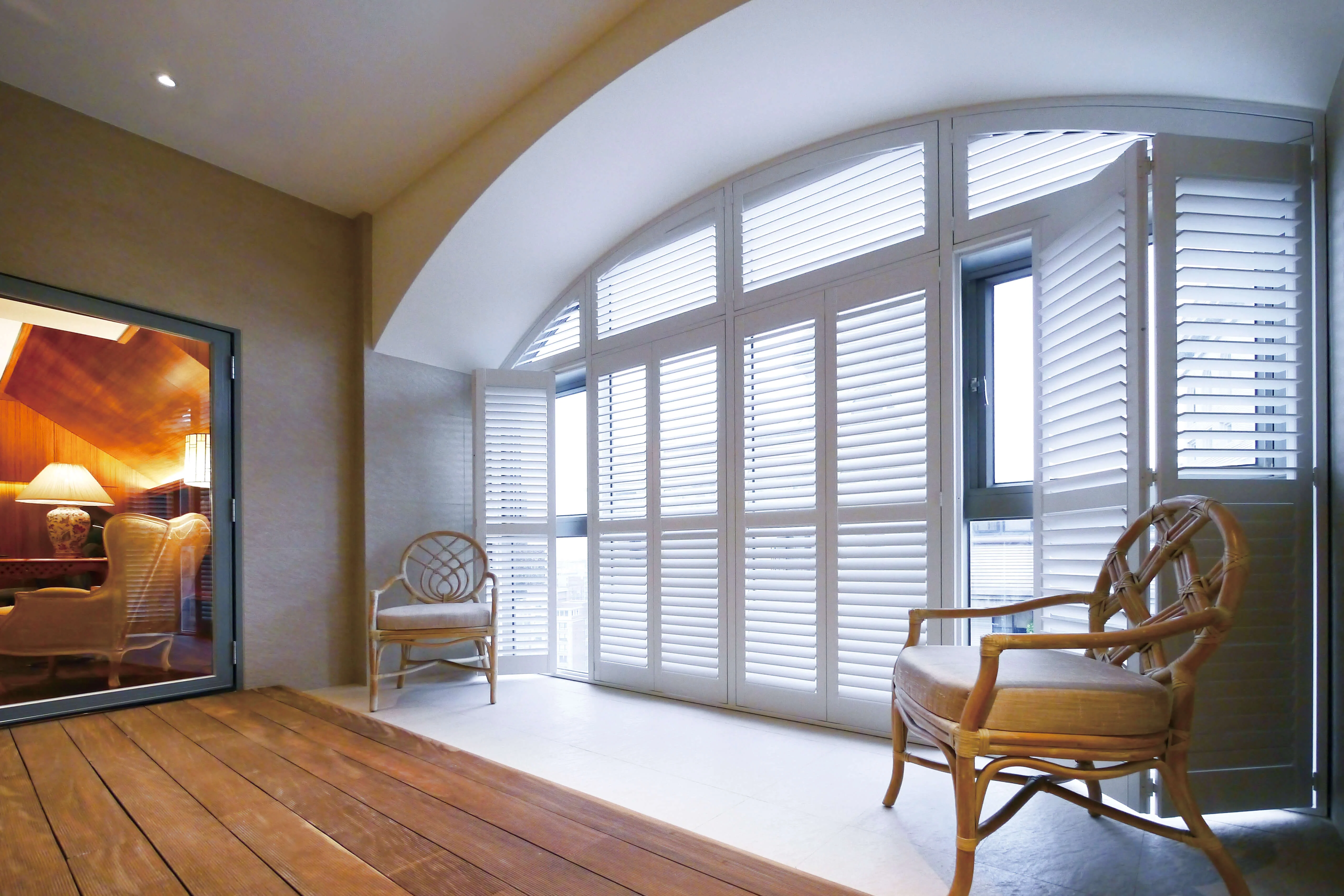
Plantation shutters, while technically different from blinds, share similar tilt mechanisms that a blind repair technician often handles anyway. Louver replacement and tilt rod repair use techniques similar to horizontal blind repair, though material costs run higher given the wood or composite construction. For a comprehensive look at shutter styles, see our complete style guide to custom shutters. Homeowners interested in exploring options further can also browse our full shutter category for style inspiration.
What Questions Should Homeowners Ask Before Hiring Repair Services?
Check for licensing and insurance first. A properly insured repair service protects you against property damage during the work itself. Ask for proof of current licensing before you schedule anything.
Warranty coverage on the repair work itself varies a lot between providers: some offer 30 days, others a full year. Knowing the terms upfront prevents a dispute later if the repair fails early.
Part sourcing affects both quality and turnaround time. A service using OEM (original equipment manufacturer) parts usually gets better longevity than one using generic substitutes, though OEM parts cost more and can take longer to arrive.
Service area coverage shapes response time and travel charges. A local provider usually responds faster and charges less for travel than a regional company would, though a local shop might lack specialized expertise for premium brands. Review our article on why choosing a local window treatment expert matters to understand the tradeoffs.
Ask about payment upfront. Some companies bill on completion; others offer financing for larger jobs. Knowing which applies to you avoids delays later.
When Should Homeowners Consider Upgrading Instead of Repairing?
Technology has made upgrading attractive even for homeowners with basic manual blinds. Motorized operation removes cord safety concerns and adds smart home integration. Battery-powered motors skip the electrical work entirely, making retrofits realistic in an existing installation. Learn more in our guide to motorized shade upgrades for coastal homes.
Energy efficiency upgrades pay for themselves over time. Modern cellular shades trap air in a honeycomb structure that acts as an insulation barrier, cutting heating and cooling costs. For large windows especially, that efficiency gain can tip the scale toward replacement over repair: see our piece on window treatment ideas for oversized windows. Our resource on energy-efficient shades for Delmarva homes explores the best modern options. Homeowners wanting to compare specific shade types can also consult our comparison of blinds versus shades for Delmarva homes.
Child safety regulations push toward cordless operation for homes with young kids. Current safety recommendations favor cordless blinds in children's spaces, which makes repairing a corded blind only a short-term fix. Upgrading to a cordless system removes the ongoing safety concern. Our guide on cordless blinds explained covers today's safest options.
Style matters too, beyond function. A blind style from the 1990s can drag down a modern room's look. Swapping in a contemporary style improves both the room's appearance and its resale value. Browsing our window treatment collection can help you find a modern style suited to your space. If you're planning to sell, our guide on staging your Delmarva home for a fast sale covers how updated window treatments help.
Smart home integration appeals to tech-focused homeowners. Voice control through Alexa or Google Assistant and a smartphone app for remote operation add convenience that a repair can't provide. If you're planning a full renovation, our remodel window treatment checklist helps you plan upgrades across every room.
How to Find and Evaluate Local Blinds Repair Services
Start with the manufacturer for brand-specific repairs. Hunter Douglas maintains authorized dealer networks that handle warranty-compliant repairs using genuine parts. Contacting your original dealer first keeps warranty protection intact. For a full troubleshooting reference, see our Hunter Douglas troubleshooting guide for the Delmarva Peninsula.
Check online reviews for consistent feedback on punctuality, workmanship, and fair pricing. Several negative reviews citing the same complaint is a real warning sign.
Mobile service availability skips the transportation hassle and lets a technician properly assess your windows on-site. Many services now offer on-site evaluation and repair on your own schedule. For installation guidance, see our guide to how installation crews handle repair-adjacent work in Delmarva.
Compare estimates on equal terms. Get a written estimate specifying parts, labor, and any extra charges: a spoken quote invites misunderstanding and billing disputes later.
Better Business Bureau ratings and chamber membership point to an established business with community ties, which usually means better dispute resolution if something goes wrong. You can also visit our service area page to find a Home Blinds and Floors specialist near you.
What Is the Typical Repair Timeline and Process?
Initial consultation and assessment usually takes 30-60 minutes per home, depending on window count and complexity. The technician evaluates each blind's condition, identifies the parts needed, and gives you a repair estimate on the spot. Most services complete assessment and minor repairs in one visit.
Part ordering delays depend on component availability and where the manufacturer ships from. Common parts like cords and standard slats usually ship within 2-3 business days. Specialized components for discontinued models can take 1-2 weeks.
Repair completion runs 1-3 hours on average, with most single-window jobs done in under 45 minutes. Complex multi-window projects or tough access situations can stretch to 4-6 hours. A professional service tells you what to expect during the initial consultation.
Quality inspection and operational testing confirm the repair worked before the technician leaves. A reputable service demonstrates proper operation and answers your questions about maintenance. This testing step prevents a callback for an incomplete repair.
Follow-up service varies by provider but typically includes a 30-90 day warranty period. Some companies offer annual maintenance plans that include inspection and minor adjustments as part of an ongoing relationship.
Cost Analysis: Repair vs Replace Decision Framework
Start by comparing what repair costs against what a new blind of the same type would cost. Basic aluminum blinds are cheap enough that even a modest repair bill can approach replacement cost. Premium wood blinds cost far more to replace, so a repair bill has a lot more room to make financial sense. For a full breakdown of wood versus faux options, see our complete guide to wood blinds.
Lifecycle cost matters just as much as the sticker price. A repaired blind typically adds a handful more years of service, while a new installation can last well over a decade. Divide total cost by expected years of use and you get the real annual cost of ownership.
Don't ignore the time cost either. Coordinating repairs, scheduling multiple visits, and staying on top of maintenance all adds up. Replacement clears that off your plate while adding warranty coverage and updated features.
Blind Type | Average Repair Cost | Replacement Cost | Decision Threshold | Recommended Action |
Basic Aluminum | $40-80 | $50-120 | $30 | Replace if repair >$30 |
Faux Wood | $60-120 | $120-250 | $60 | Repair if <$60 |
Real Wood | $80-160 | $200-500 | $100 | Repair if <$100 |
Cellular Shades | $70-140 | $150-350 | $75 | Repair if <$75 |
Motorized | $120-300 | $400-800 | $200 | Repair if <$200 |
Repair generally beats replacement on environmental grounds, since it keeps material out of the landfill and avoids new manufacturing. That said, the energy savings from modern blinds can offset that impact over time through lower heating and cooling use. Our article on sustainable, stylish window options explores environmentally conscious replacement choices.
What Are Common Repair Red Flags?
An estimate that's well below market rate usually signals an inexperienced technician or low-quality parts. Genuine expertise and replacement components cost real money. A bid that's too good to be true tends to end in poor workmanship and a callback.
Watch for pressure to pay upfront or hand over a large deposit: that's a red flag for questionable business practices. A reputable service bills on completion or offers reasonable financing. Advance payment demands on a small repair job should give you pause.
A missing written estimate is a warning sign on its own. Missing warranty information compounds the risk. Documentation on scope, timeline, and guarantee terms protects you if something goes wrong later, and a verbal-only agreement leaves you with nothing to point to in a dispute.
No insurance verification or visible license is a compliance red flag. A professional repair service carries liability insurance and holds the required business license. Verify coverage before letting anyone start work.
Smart Home Integration and Modern Repair Considerations
Smart home compatibility changes the math for homeowners planning an automation upgrade down the line. Retrofitting a manual blind with a motor adds real cost, often enough to exceed repair plus upgrade combined. Think about your future automation plans before committing to a current repair. Our guide on weighing the cost of motorized upgrades helps you sort through the tradeoffs.
Voice control through Alexa, Google Assistant, or Apple HomeKit adds real convenience for mobility-limited homeowners. Before repairing, check whether your existing blinds even support motorization, or whether full replacement is the only path to automation. For a practical setup reference, see our guide on programming a Hunter Douglas remote.
App-based control adds scheduling, remote operation, and integration with home security. These features can make replacement worth it even for a blind that's technically still repairable.
Battery versus hardwired motorization changes both install complexity and upkeep. Battery motors skip the electrical work but need periodic recharging. Hardwired systems run continuously but require electrical work during replacement. For a complete DIY overview of motorized options, see our DIY motorized blind installation guide.
Home automation platforms add energy management that adjusts blind position based on temperature, time, and sunlight. These features deliver ongoing energy savings that factor directly into the repair-versus-replace decision. Homeowners interested in a comprehensive look at energy-efficient window treatments can explore our dedicated guide for additional options.
Frequently Asked Questions
Is it worth it to repair blinds?
Repair is worth it when the cost stays well below what a comparable new blind would cost, and that threshold depends heavily on blind age, remaining lifespan, and part availability. A minor repair on a blind under 5 years old is almost always a good bet. Extensive repairs on a decade-old blind usually aren't.
How much does blinds fixing cost?
Professional blind repair generally costs $50-200 per window depending on the problem and blind type. Cord replacement averages $60-85. Slat replacement runs $3-20 per slat. Motor repairs cost $120-250. Most companies charge a service call minimum of $100-150, so repairing several windows in one visit is more economical than a single repair.
Can a handyman fix blinds?
A handyman can handle basic repairs like a cord swap or a simple slat fix, but specialized knowledge improves the odds of success significantly. A dedicated blind repair service keeps part inventories and diagnostic expertise, plus warranty coverage, that a general handyman typically doesn't have. Motorized systems and custom components need specialized training.
Can blinds be repaired?
Most blind types can be professionally repaired, with success rates above 85% for common issues like cord problems, broken slats, and tilter mechanisms. The exceptions: severely damaged fabric shades, discontinued models with no parts available, and blinds with several failures happening at once that approach replacement cost. A professional assessment settles the question before you commit to service.
How long do professional blind repairs typically last?
A quality professional repair typically adds 3-7 years of service life, depending on usage and environment. Cord replacements last longest, 5-7 years. Slat repairs run 3-5 years depending on material. Coastal environments cut that lifespan down due to salt air and humidity.
Do blind manufacturers provide repair services?
Major manufacturers like Hunter Douglas maintain authorized dealer networks for warranty repairs and parts. Your original dealer is usually the best option for brand-specific components and warranty compliance. Dealer network coverage varies by location, though, and warranty repairs may require proof of original purchase.
What warranty coverage applies to blind repairs?
Repair warranty coverage ranges from 30 days to a year depending on the provider and repair type. Original manufacturer warranties typically stay valid for authorized repairs using genuine parts, while a third-party repair may void existing coverage. A professional service should spell out clear warranty terms covering both parts and labor.
Conclusion
Weighing repair against replacement comes down to a simple question: how much of the blind's useful life is left, and does the repair cost make sense against that? A professional assessment takes the guesswork out of it. For coastal homeowners dealing with salt air and humidity, specialized knowledge is what makes a repair last.
Modern blind technology offers real upgrade incentives that can tip the decision toward replacement even for a blind that's technically repairable. Energy efficiency and smart home integration deliver benefits a repair can't match. That said, a quality repair on a premium blind, done by an experienced professional with the right materials, often holds up well. Explore our full range of shade options to see what modern replacement looks like.
Evaluate the repair cost, the expected remaining lifespan, and your future needs before you commit to either path. Whether you choose repair or replacement, working with a knowledgeable professional gets you the best result for your money. Homeowners comparing all window treatment types may find our complete coastal home cost guide for blinds versus shutters a valuable next step.
Facing a blind repair or replacement decision on the Delmarva Peninsula? Home Blinds and Floors brings local expertise and firsthand knowledge of coastal living challenges. We give you an honest assessment so you can decide based on your needs, your budget, and your home's environment. Get in touch for professional guidance on your window treatment needs, or browse our full selection of shades and shutters built for coastal living.
This is a very useful and well-explained guide on deciding whether to repair or replace blinds. I especially liked the clear cost comparisons and practical factors such as age, damage, warranties, and long-term value. The advice is easy to understand and genuinely helpful for homeowners making informed decisions. Hotel Door Resurfacing is another area where cost and longevity matter greatly.