.avif)
.avif)
.avif)
Discover the Best Blackout Shades for Perfect Light Control

Updated: Sep 20
The best blackout shades for perfect light control are cellular (honeycomb) shades with blackout fabrics, offering 99% light blockage while providing superior insulation and energy efficiency. Professional installation ensures proper fit and mounting, eliminating light gaps that compromise room darkening effectiveness.
TL;DR: Complete Blackout Shade Guide
Cellular shades with blackout fabrics offer the highest light control with energy savings
Room darkening blocks 95-98% of light, while true blackout blocks 99%+
Cordless and motorized options provide safety and convenience
Professional installation prevents light leakage around edges
Hunter Douglas and Norman lead quality blackout shade manufacturing
Coastal homes require salt-resistant materials and proper mounting
Quality sleep, home theater experiences, and shift work schedules all depend on effective light control. Many homeowners discover too late that light gaps around improperly fitted shades defeat the purpose entirely. At Home Blinds and Floors, we've helped countless Delmarva Peninsula residents achieve true blackout conditions through proper shade selection and expert installation. To learn how blackout and light filtering options compare, see our guide on blackout shades vs light filtering for Delmarva homeowners.
The difference between room darkening and complete blackout matters more than most realize. Room darkening shades filter most light but allow subtle illumination, while true blackout shades create cave-like darkness essential for quality sleep or professional media rooms. For a deeper look at this distinction, read about the difference between room darkening and blackout shades. Homeowners weighing their options can also explore our light filtering vs blackout shades guide for Delmarva homeowners for a side-by-side comparison.
What Makes a Blackout Shade Truly Effective?
True blackout effectiveness depends on three critical factors: fabric opacity, edge seal, and mounting precision. The fabric must block 99% or more of incoming light, while professional installation ensures no gaps exist around the shade perimeter.
Cellular construction provides the most effective blackout performance. The honeycomb structure traps air while the blackout lining eliminates light transmission. Custom shades with single-cell varieties work well for most applications, while double-cell construction adds insulation value in extreme climates. For a detailed comparison of these options, see our guide on single cell vs double cell shades for Delmarva homeowners.
Fabric weight and density determine light blocking capability. Heavyweight blackout fabrics typically weigh 12-16 ounces per square yard, compared to 6-8 ounces for standard room darkening materials. The additional density blocks more light while providing better durability. For guidance on selecting the right fabric, consult the Fabric Selection Guide from Hunter Douglas.
Side Channel Systems
Side channels create the most complete light seal by guiding the shade fabric within tracks along window sides. This system virtually eliminates edge light leakage that compromises other blackout installations.
Standard mounting leaves inevitable gaps between shade edges and window frames. Even quarter-inch gaps allow significant light intrusion that defeats blackout effectiveness. Side channel systems solve this fundamental limitation.
Which Blackout Shade Types Deliver the Best Results?
Cellular blackout shades consistently outperform other styles for light control and energy efficiency. The honeycomb construction blocks light transmission while providing R-values up to 5.0 for enhanced insulation. Our guide to best blackout window treatments for Delmarva Peninsula homes covers additional options worth exploring.
Roller blackout shades offer clean aesthetics and reliable operation but lack the insulation benefits of cellular construction. They work well in modern homes where minimalist appearance outweighs energy considerations. To learn more about roller shade options, explore our guide on what are roller shades for Delmarva homeowners. You can also compare options in our roller shades vs cellular shades guide for Delmarva homeowners.
Roman blackout shades provide traditional styling but create more potential light gaps due to their folded construction. Professional installation becomes even more critical to minimize edge leakage. For styling and measuring tips, read the Delmarva homeowner's guide to fabric Roman shades. Homeowners comparing shade styles can also review our Roman shades vs roller shades guide for Delmarva homes.
Motorized vs Manual Operation
Motorized blackout shades eliminate cords entirely while providing precise positioning control. Battery-powered systems avoid electrical work, while hardwired installations support larger shades and smart home integration. For a full overview, see our guide on motorized blinds for your Delmarva home.
Manual cordless operation suits most residential applications and costs significantly less than motorized alternatives. Quality cordless mechanisms provide smooth operation for decades when properly maintained. Learn more in our guide to cordless shades for Delmarva homes.
Shade Type | Light Blockage | Insulation Value | Installation Complexity |
Cellular Blackout | 99%+ | High (R-5.0) | Moderate |
Roller Blackout | 98-99% | Low (R-1.0) | Low |
Roman Blackout | 95-98% | Medium (R-2.0) | High |
How Do Professional Installation Methods Ensure Perfect Light Control?
Mounting precision determines blackout effectiveness more than fabric quality. Even premium blackout fabrics fail when gaps exist around shade perimeters. Professional installers measure twice and use specialized mounting techniques that eliminate light leakage.
Inside mounting requires exact measurements to ensure proper fit within window frames. A sixteenth-inch error creates noticeable light gaps that compromise blackout performance. Professional measurement tools and techniques prevent these costly mistakes.
Outside mounting extends shades beyond window frames to cover potential light gaps. This method works especially well for windows with limited depth or irregular frames common in older coastal homes. For a broader look at outside window treatment options, see our guide on top outside window treatments for Delmarva homes.
Edge Sealing Techniques
Weatherstripping along shade edges creates additional light barriers when properly applied. Professional installers know which weatherstripping materials work best with different shade fabrics and mounting configurations.
Magnetic closure systems hold shade edges tight against window frames. These systems work particularly well with custom window treatments where fabric thickness might otherwise prevent close contact with mounting surfaces.
Home Blinds and Floors has perfected installation techniques that achieve true blackout conditions in challenging coastal environments. Salt air and humidity require specific mounting hardware and sealing methods that prevent premature failure. Our expert guide to Hunter Douglas shade installation in Delmarva outlines the standards we follow on every project.
What Fabric Options Provide the Best Blackout Performance?
Blackout fabrics range from basic PVC-backed materials to sophisticated multi-layer constructions. The best options combine complete opacity with attractive room-side appearance and long-term durability.
Triple-weave blackout fabrics offer the most effective light blocking without heavy backing materials. The weaving process creates complete opacity while maintaining fabric flexibility and appearance.
Foam-backed blackout fabrics provide excellent light control but can deteriorate in high-humidity environments. Coastal installations benefit from fabric selection recommendations for acrylic backing that resists moisture damage while maintaining blackout effectiveness. For guidance on choosing the right custom window shades, read our guide on custom window shades for Delmarva homes. You can also review the Cleaning, Maintenance and Operating Instructions from Hunter Douglas for fabric care best practices.
Color Considerations
Light-colored room-side surfaces reflect heat while maintaining interior aesthetics. Dark exterior surfaces absorb heat but may fade over time in intense sunlight. The best blackout shades balance these competing requirements.
White or cream room-side surfaces keep interiors bright when shades are raised while providing complete darkness when lowered. Dark colors show less dirt but absorb more heat during summer months. Homeowners looking for the right balance can browse best window shades for privacy and style in Delmarva homes for inspiration.
Advanced Blackout Features Worth Considering
Smart home integration allows scheduling and automation that maximizes blackout benefits. Sunrise gradual opening helps regulate natural circadian rhythms while maintaining privacy during evening hours. Homeowners interested in automated options can explore whether motorized blinds are worth it for your home.
UV protection fabrics prevent furniture fading while blocking visible light. This dual function proves especially valuable in coastal homes where intense sunlight threatens interior furnishings. For tips on protecting your home from solar heat, see our guide on best window coverings to keep heat out of your Delmarva home.
Noise reduction becomes an additional benefit with thick blackout fabrics. Dense cellular construction can reduce outside noise transmission by 5-10 decibels, creating quieter interior environments. For more on sound-reducing window treatments, explore our guide on noise reducing shades for quieter living. Homeowners seeking additional acoustic solutions can also read our guide on soundproofing windows in Delmarva homes.
Energy Efficiency Benefits
Quality blackout shades reduce cooling costs by blocking solar heat gain during summer months. Double-cell cellular shades can lower air conditioning expenses by 15-25% in properly sealed installations. For a comprehensive overview of energy-saving options, explore the ultimate guide to energy efficient shades for Delmarva homes.
Winter insulation benefits keep warm air inside while blocking cold drafts. This dual-season performance makes blackout shades cost-effective investments that pay dividends year-round. For more ways to improve your home's insulation, read our guide on best insulating window shades for Delmarva homes. Homeowners interested in comparing insulation performance across shade types can also review our best insulating blinds for Delmarva Peninsula homes. For additional winter energy-saving strategies, see our guide on best ways to block heat from windows in a Delmarva home.
Common Blackout Shade Installation Mistakes
Inadequate measurements create the most frequent blackout failures. DIY installers often measure window glass rather than the complete opening, leaving gaps that allow light intrusion.
Insufficient mounting hardware leads to sagging and gaps over time. Blackout shades typically weigh more than standard blinds and require appropriate brackets and fasteners. For technical hardware and specification details, see the Manual Roller Shades CSI Specification from Hunter Douglas.
Ignoring wall irregularities causes uneven mounting that creates light gaps. Professional installers check wall plumb and adjust mounting positions to ensure proper shade alignment. Our expert guide to window treatments installation in Delmarva explains how professionals avoid these common pitfalls. Homeowners can also review tips on how to measure windows for blinds for a perfect fit before starting any project.
Maintenance Oversights
Blackout fabrics require specific cleaning methods to maintain effectiveness. Proper cleaning help preserve backing materials, while incorrect washing destroys fabric treatments. For guidance on keeping your shades in top condition, see our expert guide to cleaning window shades in your Delmarva home.
Operating mechanism maintenance prevents premature failure. Cordless systems benefit from periodic lubrication, while motorized units require battery replacement and motor servicing. For a complete overview of cordless safety and style, read our guide on cordless window blinds safety and style in Delmarva. Homeowners wanting child-safe options can also explore our guide on child proof window blinds smart safety solutions.
Frequently Asked Questions
How much light do blackout shades actually block?
True blackout shades block 99% or more of incoming light when properly installed. Room darkening shades typically block 95-98%, allowing subtle light penetration that may disturb sleep or affect media viewing.
Do blackout shades work for shift workers who sleep during the day?
Yes, quality blackout shades create cave-like darkness essential for daytime sleep. Cellular blackout shades with side channels provide the most complete light elimination for shift workers and night-shift professionals.
Can blackout shades reduce energy costs?
Cellular blackout shades can reduce cooling costs by 15-25% through solar heat blocking and insulation. The energy savings typically pay for the shade cost within 3-5 years in most climates. For a deeper look at energy-saving window coverings, read our guide on energy efficient window coverings for your smart home.
What's the difference between room darkening and blackout shades?
Room darkening shades block 95-98% of light, suitable for general privacy and moderate light control. Blackout shades block 99%+ of light, necessary for complete darkness in bedrooms, nurseries, and home theaters. For a detailed comparison, read our guide on light filtering vs blackout shades for Delmarva homeowners.
How long do blackout shades typically last?
Professional-grade blackout shades from manufacturers like Hunter Douglas last 15-20 years with proper maintenance. Cheaper alternatives may deteriorate within 5-7 years, especially in coastal environments.
Do blackout shades require special cleaning?
Most blackout shades benefit from professional cleaning to preserve fabric treatments. Regular vacuuming with brush attachments removes dust while avoiding damage to blackout backing materials.
Can blackout shades be repaired if they stop working properly?
Quality blackout shades often can be repaired by replacing operating mechanisms, cords, or hardware. Professional installation includes warranties that cover repairs for defective components or installation issues. For guidance on shade repairs, see our guide on repairing cellular shades for Delmarva homeowners.
Achieving Perfect Light Control
The best blackout shades combine premium fabrics with professional installation techniques that eliminate light gaps. Cellular construction provides superior performance through light blocking, insulation, and durability that justify the investment.
Perfect light control requires attention to details that many homeowners overlook. Edge sealing, proper mounting, and quality hardware make the difference between effective blackout performance and disappointing results. Homeowners seeking the best blinds for bedrooms in your Delmarva home will find blackout shades among the top recommended options. For inspiration on bedroom window treatments, also explore 10 creative bedroom window blinds ideas for style and privacy.
Professional consultation ensures the right shade selection for specific applications and environments. Coastal conditions, architectural challenges, and individual preferences all influence the optimal blackout solution for each home. Additionally, shutters can provide an alternative solution for complete light control in certain applications. Homeowners seeking a full overview of available window treatment products can visit our Our Products page for the complete selection. Homeowners across the region can also explore our complete guide to choosing blinds, shades, and shutters in Delmarva for further guidance.
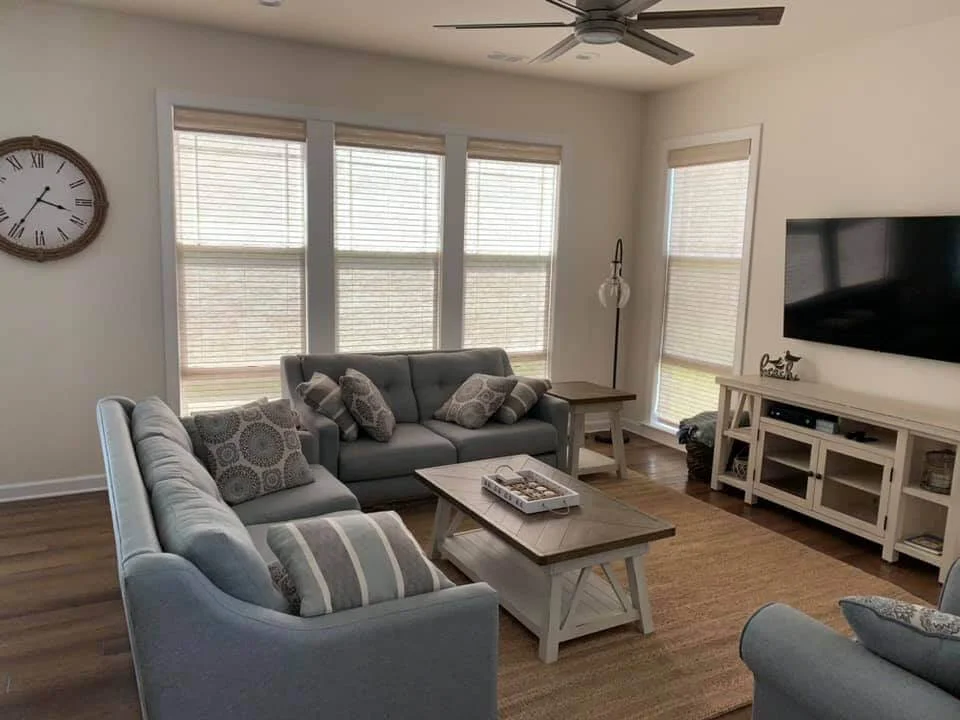
If you're ready to discover how professional blackout shade installation can transform your home's comfort and functionality, Home Blinds and Floors brings decades of experience helping Delmarva Peninsula homeowners achieve perfect light control. Our team understands the unique challenges coastal environments present and the solutions that deliver lasting results. For more information about our products and services, please contact us or read our customer reviews.


Comments