.avif)
.avif)
.avif)
Window Shades Custom Made: What You Need to Know


Window shades custom made refers to shades that are fabricated to your window's precise measurements, chosen fabric, and specific light-control requirements, rather than cut from a standard stock size. Unlike off-the-shelf options, custom shades account for your window's exact width, height, mount type, and architectural quirks. The result is a window covering that fits perfectly the first time, operates smoothly for years, and looks like it belongs in the room.
Custom window shades are measured and built to your window's exact dimensions, eliminating the gaps and bunching that plague standard-size shades.
Average spend per window for custom window treatments ranges from $150 to $600, according to industry benchmarks, with motorized options and specialty fabrics at the higher end.
The global blinds and shades market is growing at a 7.7% CAGR through 2032 (Polaris Market Research), driven largely by demand for motorized and energy-efficient custom options.
Custom orders are replacing stock shades in most quality renovation projects because specialty windows, coastal humidity, and smart home integration all require made-to-measure solutions.
Professional installation matters more than most buyers expect: improper mounting voids many fabric warranties and creates operational problems within months.
Home Blinds and Floors serves homeowners across the Delmarva Peninsula, from Rehoboth Beach to Annapolis, with in-home consultations that remove the guesswork from the custom ordering process.
What Does "Window Shades Custom Made" Actually Mean?
Window shades custom made refers to a shade fabricated specifically to a customer's window measurements, chosen materials, and operational preferences, rather than trimmed from a standard retail size. Custom shades begin with precise measurements, either taken by a professional or carefully self-measured, and are then manufactured in the exact width and height needed. The process covers fabric selection, light-control level, lift mechanism, and mounting style, all chosen before production begins.
The distinction matters because standard windows are rarely standard. Older homes on the Delmarva Peninsula, Victorian rowhouses in Annapolis, and contemporary beach builds in Rehoboth Beach all present different rough opening dimensions. A stock shade cut to the nearest inch leaves light gaps at the sides or bunches at the bottom. A custom shade eliminates both problems.
Specifically, custom fabrication allows you to choose:
Exact width and height to the nearest fraction of an inch
Inside or outside mount depending on your window depth and trim profile
Fabric opacity from sheer to true blackout
Lift mechanism from cordless to motorized
Specialty configurations for arched, angled, or oversized windows
For a deeper look at the full range of custom window shades available to Delmarva homeowners, the options are more varied than most buyers realize before their first consultation.

What Types of Custom Window Shades Are Available?
Custom window shades fall into several distinct categories, each engineered for a different combination of light control, insulation, and aesthetic. Understanding the differences before you order prevents the most common and most expensive mistake in the window treatment process: buying the wrong shade type for the room.
Roller Shades
Roller shades are the most versatile custom option. A single layer of fabric rolls onto a tube at the top of the window. They work in nearly every room, accept virtually any fabric from sheer solar mesh to full blackout, and integrate cleanly with motorization systems. Lead times for roller shades are among the shortest in the custom category, typically one to three weeks from order to delivery depending on fabric complexity.
Cellular (Honeycomb) Shades
Cellular shades, sometimes called honeycomb shades, trap air inside a series of parallel fabric cells. That air pocket acts as an insulation barrier between the glass and your living space. Single-cell designs offer moderate insulation, while double-cell constructions provide meaningfully better thermal performance. For beach homes in Lewes or Bethany Beach where summer sun drives cooling bills upward, double-cell cellular shades are often the most cost-effective long-term investment. Our guide comparing single vs. double cell shades for Delmarva homeowners covers the insulation trade-offs in detail.
Roman Shades
Roman shades fold into horizontal pleats when raised and lay flat when lowered, producing a tailored, fabric-forward look. They work exceptionally well in living rooms, dining rooms, and bedrooms where the window treatment is a design feature rather than a purely functional element. Roman shades require precise fabrication because the folding mechanism depends on exact fabric width and lining weight.
Solar Shades
Solar shades are engineered to block UV radiation and reduce glare without eliminating the view. The fabric is an open-weave mesh, rated by openness percentage: a 3% openness fabric blocks more light and UV than a 10% fabric. For sunrooms, home offices, and south-facing coastal windows, solar shades are frequently the most practical choice. Our guide to solar shades for Delmarva sunrooms breaks down openness percentages for specific situations.
Woven Wood Shades
Woven wood shades use natural materials including bamboo, reeds, and grasses woven into a textured panel. They add organic warmth to a room but are not ideal in high-moisture environments like bathrooms or coastal kitchens where humidity can cause the natural fibers to warp or mold over time.
Zebra and Dual Shades
Zebra shades layer alternating sheer and opaque fabric bands that shift alignment as you raise or lower the shade. Rotating the bands from aligned-sheer to alternating-opaque lets you dial the light level continuously without switching between two separate window coverings. They are a strong choice for living rooms and bedrooms where you want flexible privacy throughout the day.
Pleated Shades
Pleated shades offer a clean, geometric look similar to cellular shades but without the insulating air pocket. They are generally more affordable than honeycomb constructions and work well in rooms where thermal performance is less critical than appearance or budget.
How Much Should Custom Window Treatments Cost?
Custom window treatment costs typically range from $150 to $600 per window for shades, with the final price driven by four factors: fabric selection, shade type, window dimensions, and whether you choose manual or motorized operation. That range is wide because a simple cordless roller shade in a standard bedroom window sits at a very different price point than a motorized double-cell cellular shade on an oversized coastal great-room window.
Here is a practical breakdown of what drives cost in each category:
Shade Type | Typical Per-Window Range (Installed) | Best For |
Roller Shades (manual) | $150 to $350 | Most rooms; widest fabric choice |
Cellular Shades (single-cell) | $180 to $400 | Insulation, child safety |
Cellular Shades (double-cell) | $250 to $500 | High-efficiency coastal homes |
Roman Shades | $250 to $550 | Living rooms, dining rooms |
Solar Shades | $180 to $420 | Glare control, UV protection |
Woven Wood Shades | $200 to $450 | Low-humidity rooms, natural aesthetic |
Motorized Upgrade (any type) | Add $100 to $300 per window | High windows, smart home integration |
Professional installation adds to the per-window total, and that cost is worth understanding before you budget. Many buyers plan for the product cost but are surprised by installation fees. A professional measure-and-install visit from a local specialist like Home Blinds and Floors folds measurement, fabrication oversight, and installation into a single process, which eliminates the remeasure costs that DIY orders frequently generate.
According to Grand View Research, the global window coverings market was valued at $34.50 billion in 2023 and is projected to reach $60.16 billion by 2030, a trajectory driven almost entirely by growth in custom and motorized segments. That demand growth has not pushed prices down; quality custom fabrication requires skilled production and careful quality control, and that cost is real.
For a detailed look at pricing specific to the Eastern Shore market, our article on how much custom blinds cost on the Delmarva Peninsula covers local factors that affect your final quote.

Does Home Depot Cut Window Shades to Size?
Home Depot does offer an in-store shade cutting service for certain stock shade products, allowing you to trim a standard-size shade to a narrower width. This service is not the same as ordering window shades custom made. The cutting service can only reduce the width of a pre-made shade within a limited range, cannot adjust the height, and does not allow fabric customization, opacity selection, or motorization options.
The practical limitations are significant. First, cutting removes the finished fabric edge and replaces it with a raw cut, which affects the shade's appearance and can fray over time. Second, stock shades available for cutting cover a narrow range of fabrics, almost exclusively basic light-filtering and blackout options with no specialty materials. Third, the cutting service applies only to shades within a specific width range, typically shades that need to be narrowed, not lengthened or widened.
For windows with unusual dimensions, older Delmarva homes with non-standard rough openings, or any room where appearance matters, an in-store cut shade is a short-term fix. The fit will be approximate, not precise. The fabric choice will be limited. And the mechanism will be stock, not matched to your specific lift preference.
Home Blinds and Floors takes a fundamentally different approach. During an in-home consultation serving areas from Middletown, DE to Ocean City, MD, a specialist measures every window to the fraction of an inch and then walks you through fabric and mechanism options suited to that specific room. There is no cutting, no approximation, and no compromise on appearance.
Does Lowe's Cut Shades to Size?
Lowe's offers a similar in-store shade cutting service for qualifying stock products, comparable to what Home Depot provides. The service trims select stock shades to a narrower width at no additional charge. Like the Home Depot service, Lowe's in-store cuts are limited to reducing width within the product's allowable range, cannot extend a shade's height, and cannot alter the fabric, opacity, or operating mechanism.
Both big-box cutting services exist to solve one problem: a standard shade that is slightly too wide for a specific window. They do not solve the more common and more important problems that custom fabrication addresses, which include unusual window heights, specialty mount requirements, motorization integration, and coastal-appropriate fabric selection.
The key distinction is this: a cut shade is still a stock product with a trimmed edge. A window shade custom made is engineered for your window from the first measurement. The difference shows immediately in how the shade sits in the frame, how cleanly the hem rests at the sill, and how the mechanism operates over time.
For sliding glass doors and large window expanses common in Eastern Shore beach homes, in-store cuts are simply not a viable option. Those situations require custom vertical configurations or wide-format fabrication that stock programs cannot accommodate. Our resource on the best vertical shades for sliding glass doors in Delmarva explains the options specific to that window type.
What Blinds Are Best for Asthma Sufferers?
The best window shades for asthma sufferers are those that minimize dust accumulation and resist mold growth, specifically cellular shades with smooth, wipeable fabric surfaces or roller shades in tightly woven synthetic materials. Traditional fabric drapes and heavily textured woven wood shades collect airborne allergens and are difficult to clean thoroughly. Smooth-surface shades reduce that accumulation significantly.
For asthma management, the material and surface texture of a shade matters more than the shade type itself. Key factors to prioritize:
Smooth, tightly woven fabrics are easier to wipe clean and resist dust adhesion compared to open-weave or textured materials.
Cordless operation eliminates cord loops, which accumulate dust and create surface area for allergen buildup.
Moisture-resistant fabrics in bathrooms and kitchens prevent mold growth, a significant asthma trigger in coastal climates where humidity runs high.
Motorized shades reduce the need to physically handle the window covering, minimizing contact with any accumulated dust.
Some custom shade fabrics carry GREENGUARD Gold certification for indoor air quality. The E Screen GREENGUARD Gold Certificate is one example of third-party indoor air quality validation for shade fabrics, useful for buyers who need documented assurance about off-gassing and chemical emissions in addition to dust considerations.
In coastal Delmarva homes, mold-resistant fabric selection is particularly important. Salt air carries elevated humidity, and standard fabric shades in bathrooms or laundry rooms can develop mold within a single humid season. A consultation with Home Blinds and Floors includes material recommendations calibrated for your specific room conditions, not generic advice that ignores the regional climate.
What Are the Hidden Costs of Custom Window Shades?
The hidden costs of custom window shades are those that appear after the initial product price, specifically professional installation fees, motorization infrastructure, battery replacement schedules, and the cost of remakes when DIY measurements are wrong. Most buyers focus on the per-shade product price and underestimate the total project cost by 20 to 40 percent when these additional expenses are not accounted for upfront.
Here is what most window treatment guides skip:
Motorization Ongoing Costs
Motorized shades require a power source. Rechargeable battery wands need recharging every two to six months depending on usage frequency. Hardwired motors require an electrician if there is no existing outlet in the window surround. Smart home hub integration may require a specific bridge device compatible with your system. None of these costs appear on the product price tag.
Measurement Error Costs
DIY measurement errors are the single most common source of unexpected cost in custom shade projects. A mistake of even one-quarter inch in an inside-mount application can make the shade inoperable or visually misaligned. Remaking a custom shade because of a measurement error typically costs the full product price again, as the shade was fabricated to your incorrect specification. Professional measurement, included in Home Blinds and Floors consultations, eliminates this risk entirely.
Replacement Cycle Planning
The average replacement cycle for window treatments in US households is every seven to eight years, according to industry benchmarks. Quality custom shades with professional installation typically last 15 to 20 years. Budget-tier stock shades or poorly installed custom shades often need replacement within three to five years. The lower upfront cost of a stock shade frequently costs more over a ten-year ownership period than a well-made custom shade installed correctly the first time.
Tax and Installation
Most jurisdictions apply sales tax to window shades at the standard retail goods rate, typically between 5 and 10 percent depending on the state. Delaware has no state sales tax, which is a meaningful cost advantage for buyers in Rehoboth Beach, Lewes, and Milton compared to purchases made or shipped to Maryland addresses. Professional installation fees vary by project scope and should be clarified in your quote before ordering.

How Do You Choose the Right Custom Shade for Each Room?
Choosing the right custom window shade for each room requires matching the shade's functional properties to the specific demands of that space. A shade that performs perfectly in a bedroom may be completely wrong for a kitchen or bathroom. The most common mistake buyers make is selecting a shade based on appearance alone and ignoring the room's humidity level, light requirements, and traffic frequency.
Kitchens
Kitchens need moisture-resistant, easy-clean fabrics above all else. Woven wood shades are a poor choice here: steam and grease accumulate in the natural fibers and cannot be wiped away. Roller shades in vinyl-coated or moisture-resistant polyester, or faux wood blinds, hold up far better. For Delmarva kitchens with large windows overlooking water or marsh views, solar shades in a 5 to 10 percent openness rating preserve the view while reducing midday glare. Our article on best modern window treatments for Delmarva kitchens covers this room specifically.
Bedrooms
True blackout performance in a bedroom requires two things: a blackout-rated fabric and side channels or cassette housing that prevents light bleed around the shade's edges. Many shades sold as "blackout" use blackout fabric but have no edge seal, allowing light to enter around the sides and bottom. For coastal vacation homes where sunrise comes early and guests need flexible sleep schedules, a cassette-mount roller shade with blackout fabric and side seal is the most functional solution.
Nurseries and Children's Rooms
Cordless operation is not optional in a child's room; it is a safety requirement. The US Consumer Product Safety Commission has issued guidance on cord safety for window coverings, and most reputable installers will not install corded shades in rooms occupied by children under six. Cordless lift or motorized operation with a wall switch or app control are the correct configurations. Home Blinds and Floors recommends cordless or motorized shades as the default in any room where children are present.
Bathrooms
Bathrooms need shades that resist moisture, mold, and mildew. Faux wood or composite materials outperform real wood and natural fibers here. Roller shades in moisture-resistant synthetics work well. Avoid cellular shades in bathrooms unless the cells are a moisture-resistant construction: water vapor can condense inside the cell structure and create mold that is impossible to clean without replacing the shade entirely.
Home Offices
Glare control is the primary challenge in a home office. Solar shades with a 3 to 5 percent openness rating reduce screen glare while preserving natural light and outward visibility. Motorized control is particularly useful in a home office where frequent adjustments throughout the day are needed without interrupting work.
What Should You Look for When Ordering Window Shades Custom Made?
When ordering window shades custom made, the five factors that determine long-term satisfaction are: measurement precision, fabric quality, mechanism durability, warranty coverage, and installation expertise. Getting four out of five right still produces a suboptimal result. All five have to align, and a professional consultation is the most reliable way to ensure they do.
Here is a practical checklist before you commit to an order:
Confirm inside vs. outside mount suitability. Measure the window depth before deciding. Inside mounts require a minimum depth, typically 2 to 3.5 inches depending on the mechanism, and the window frame must be square within a quarter inch for the shade to operate cleanly.
Order a fabric sample before committing. Colors look different on a screen than in your room's specific light. Most quality custom shade providers offer swatches before production, and you should always use them.
Ask specifically about coastal or humidity-rated fabrics if your property is within a mile of the water. Standard synthetic fabrics hold up, but some woven textures trap salt air particulates and degrade faster in marine environments.
Clarify the full warranty terms before ordering. A fabric warranty does not automatically cover the mechanism, and a mechanism warranty may not cover operator error. Ask what is covered and for how long.
Verify motorization compatibility if you plan to integrate with a smart home system. Not all motorized shade motors work with all smart home platforms without an additional hub or bridge device.
Get professional measurements for any window larger than 48 inches wide, any inside-mount application, and any window in a historic or older home where the frame may not be perfectly square.
Home Blinds and Floors covers all six of these steps during a free in-home consultation for customers across the Delmarva Peninsula, from Salisbury and Cambridge to Ocean Pines and Kent Island. The consultation takes the guesswork out of a process that has a lot of places to go wrong.
For buyers interested in exploring the full range of custom shade categories before scheduling a consultation, the blog covers specific types in depth across multiple articles.
Frequently Asked Questions About Custom Window Shades
How much do window shades custom made typically cost for a whole house?
Whole-house custom shade projects on the Delmarva Peninsula typically run between $1,500 and $6,000 depending on window count, shade type, and whether motorization is included. The average spend per window ranges from $150 to $600 for the shade itself, with professional installation added to that total. A free in-home consultation with Home Blinds and Floors produces an accurate quote specific to your windows and choices before you commit to anything.
What window treatment materials work best in coastal environments?
In coastal environments like Rehoboth Beach, Lewes, and Ocean City, moisture-resistant synthetic fabrics outperform natural materials. Faux wood and composite materials resist warping from humidity, while tightly woven polyester roller shade fabrics repel salt air particulates more effectively than open-weave natural fibers. Woven wood shades and real wood products are generally not recommended within a half-mile of the water without specific humidity management in the home.
How long does professional installation take for custom window shades?
Professional installation of custom window shades typically takes two to four hours for a standard residential project of six to ten windows, depending on ceiling height, window type, and whether motorized wiring is involved. The fabrication lead time before installation, from order to delivery, generally runs two to four weeks for most shade types. Shutters take longer, often four to six weeks, due to more complex fabrication requirements.
Do custom window shades work with Alexa and Google Home?
Many motorized custom shades are compatible with Alexa, Google Home, and Apple HomeKit, but compatibility depends on the specific motor model and whether your system requires a hub or bridge device. Not all motors integrate natively: some require a proprietary hub that adds cost and complexity. Home Blinds and Floors evaluates your existing smart home setup during consultation and recommends motorization options that integrate without creating technical headaches.
What is included in a free in-home consultation for custom shades?
A free in-home consultation with Home Blinds and Floors includes precise window measurements for every window in the project, fabric and material recommendations based on room function and coastal conditions, a full review of lift mechanism options including motorization, and a detailed written quote covering product and installation costs. There is no obligation to purchase, and the measurements are done correctly the first time, eliminating remeasure costs later.
How do I know if my windows need custom solutions versus standard sizes?
If any window in your home is wider than 72 inches, taller than 84 inches, non-rectangular, or located in a historic structure with non-standard framing, custom fabrication is the only reliable option. Standard stock sizes also fail to provide adequate fit for windows with unusually shallow frames, where an inside mount requires precise depth clearance. When in doubt, a professional measurement confirms whether custom is necessary before you spend anything.
What warranty should I expect on professionally installed custom window shades?
Quality custom window shades from reputable suppliers typically carry fabric warranties of three to five years against manufacturing defects and mechanism warranties of one to three years. Professional installation from a local specialist like Home Blinds and Floors also provides recourse if a shade fails to operate correctly after installation, something that online-only retailers cannot offer. Always ask specifically whether the warranty covers the fabric, the mechanism, and the installation separately, as the terms differ.
Are custom window shades worth the investment compared to stock shades?
Custom window shades are worth the investment for most homeowners when considered over a full replacement cycle. Stock shades typically need replacement every three to five years; quality custom shades with professional installation last 15 to 20 years. The higher upfront cost of custom fabrication frequently results in a lower total spend over a decade of ownership. For coastal homes on the Delmarva Peninsula where harsh conditions accelerate wear on inferior products, the quality gap between custom and stock is even more pronounced.
The Right Custom Shade Is a Long-Term Investment
Ordering window shades custom made is a more involved process than buying a stock shade off a shelf, and that additional effort is precisely what makes the result worth it. You get a shade that fits your window exactly, operates the way you want it to, holds up to the specific conditions in your home, and looks intentional rather than approximate. For Delmarva homeowners dealing with coastal humidity, intense UV exposure, and the aesthetic demands of beach and waterfront properties, a custom shade is not a luxury upgrade: it is the practical choice.
The US blinds and shades market is forecast to grow by $747 million between 2023 and 2028 (Technavio), and virtually all of that growth is in custom and motorized segments. Homeowners across the Eastern Shore are moving away from stock treatments and toward solutions built for their specific windows and lives. The replacement cycle data supports the decision: a well-made custom shade installed by a professional lasts two to three times longer than a big-box alternative.
As of 2026, the combination of improved motorization options, expanded fabric choices, and professional local consultation makes the custom shade process more accessible than it has ever been. Working with a specialist who understands your region's climate and your home's architecture removes the largest source of buyer regret in this category: choosing the wrong product for the wrong room.
Home Blinds and Floors serves homeowners and businesses across the Delmarva Peninsula, with free in-home consultations covering window measurement, fabric selection, mechanism recommendations, and full installation. If you are ready to replace approximation with precision, contact Home Blinds and Floors to schedule your consultation.
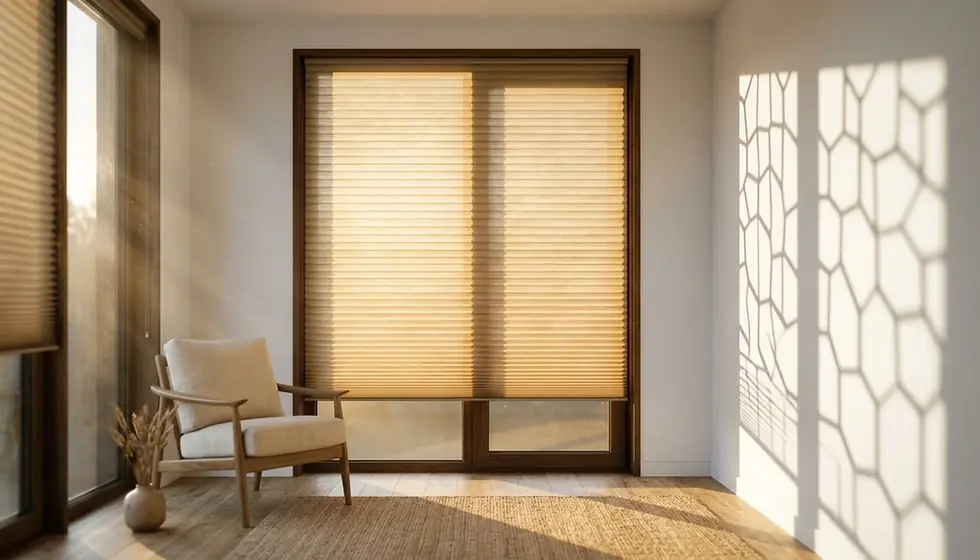
If you want to see what professionally installed, window shades custom made look like in a real home setting, the team at Home Blinds and Floors brings fabric samples and product demonstrations directly to your door. Get started with Home Blinds and Floors and find out exactly what your windows need.


Comments