.avif)
.avif)
.avif)
Best Automated Shade Systems for Long-Term ROI in 2026


Motorized cellular shades and solar shades with tight-weave, high-reflectance fabric deliver the strongest long-term return on investment among automated shade systems, because they combine measurable energy savings with fewer mechanical failures and longer service life than budget retrofit kits. Industry research shows automated shading can cut related energy loads by up to 30% compared to manually operated window coverings, and the payback window depends heavily on climate, electricity rates, and whether you choose a battery, plug-in, or hardwired system.
Key Takeaways
Automated shades can deliver up to 30% energy savings in residential settings, with paybacks of roughly 3 to 5 years for well-matched systems, according to 2025-26 residential testing data.
A 2026 study of automated interior insulating shades in a high-rise commercial building found 20 to 35% energy savings but a payback of 21.9 years at 2021 electricity rates, dropping to 4.4 years once utility incentives and projected future rates were factored in.
Independent motorized blind testing found premium units operate near 38 decibels and retain roughly 78% battery capacity after three months, while budget retrofit kits run $150 to $400 per window.
The global automated shading systems market is valued at roughly USD 23 to 24 billion in 2026 and is projected to nearly double by 2034, according to Research Nester and Straits Research.
Cellular shades with insulating honeycomb construction consistently outperform flat roller or roman shades on ROI because their pockets trap air against the glass year-round, not just during peak sun hours.
Fabric selection, control strategy (continuous versus on-schedule automation), and power source all move the payback math more than the brand name on the headrail.
Homeowners across the Delmarva Peninsula ask us this question constantly, usually after seeing a smart shade demo at a home show or reading a manufacturer's energy-savings claim online. At Home Blinds and Floors, we've measured and installed window treatments in coastal cottages, waterfront colonials, and commercial storefronts from Annapolis to Ocean City, and the ROI conversation almost always comes down to the same three variables: fabric performance, control strategy, and how long you actually plan to own the property.
This guide breaks down which automated shade systems earn their cost back fastest, why cellular and solar shades outperform other categories, and how climate and control strategy change the math for a Rehoboth Beach bungalow versus an Annapolis colonial. We'll also cover the ROI factors that most comparison articles skip entirely: battery versus hardwired power costs, warranty length, and how automation affects resale value in 2026's coastal housing market.
What Are the Best Automated Shades for Long-Term ROI?
The best automated shades for long-term ROI are motorized cellular (honeycomb) shades paired with insulating or solar-control fabric, because they deliver the highest energy-efficiency-to-cost ratio of any shade category. Cellular shades trap a layer of still air in their honeycomb pockets, which reduces heat transfer through the glass in both summer and winter, unlike flat roller or roman shades that only block direct sun.
Specifically, cellular shades with dual-cell (double-honeycomb) construction outperform single-cell versions in insulation value, though they cost more upfront. For south- and west-facing rooms with intense afternoon sun, solar shades with a tight weave and high solar reflectance fabric are a close second, particularly in coastal markets like Bethany Beach and Ocean City where glare and UV fading of furniture are bigger concerns than heating costs. Industry research shows automated shading can achieve up to 30% energy savings, translating to real utility bill reductions when the shade type matches the room's actual light exposure.
As a result, the "best" system is never a single product. It's a fabric-and-mechanism match to a specific window's orientation, which is exactly what an in-home consultation is designed to catch before you spend money on the wrong shade type.
Which Motorized Shades Are Actually Worth the Money?
Motorized shades are worth the money when the automation itself changes behavior, meaning the shades close consistently at the right times instead of sitting open because manual shades are inconvenient to adjust. A shade that never gets closed provides zero energy benefit regardless of its fabric rating, and this is the single biggest factor comparison articles overlook.
For example, a 2026 to 2026 residential test found that smart motorized blinds can provide up to 30% energy savings with paybacks of 3 to 5 years, largely because automated scheduling closes shades reliably during peak heat hours when homeowners forget to. In contrast, a 2026 study of automated interior insulating shades in a high-rise commercial building found energy savings ranging from just 0.5% to 11.8% depending on whether the control strategy was dynamic, on-schedule, or manual, showing that the software behind the motor matters as much as the hardware.
Additionally, motorization solves a real operational problem in hard-to-reach windows: two-story great rooms, transoms above doors, and skylights common in newer Kent Island and Annapolis waterfront construction. If you can't physically reach the shade to adjust it, it will never get closed at the right time, and automation becomes less a luxury than a functional requirement. That's the honest case for motorized shades over manual ones in these specific window types.

What Are the Best Automated Shades for Different Climates?
The best automated shades vary by climate because the underlying physics of heat gain and heat loss differ between hot, cold, and mixed climates, and no single shade type optimizes for both. In hot, sun-intense climates like coastal Delaware and Maryland's Eastern Shore in peak summer, solar shades with high solar reflectance fabric and tight weave counts reduce cooling loads by blocking radiant heat before it enters the room.
In colder climates or during Delmarva's winter months, insulating cellular shades outperform solar shades because their trapped air pockets slow conductive heat loss through single- and double-pane glass overnight. A Verosol industry whitepaper notes that cold-climate-optimized automated shading can achieve a 5 to 10 year payback, with results improving further when paired with high-performance solar control fabrics offering up to 85% solar reflectance and annual energy savings of up to 25%.
Mixed climates, which describes most of the Delmarva Peninsula given its swing from humid summers to cold coastal winters, benefit most from dual-purpose systems: dual-cell cellular shades with a light-reflective backing, or top-down-bottom-up cellular configurations that let you manage glare and privacy independently of insulation. Homes in Lewes and Milton facing the Delaware Bayshore catch soft, diffused afternoon light that pairs well with light-filtering cellular fabric, while ocean-facing properties in Bethany Beach take harder, direct morning sun that calls for tighter-weave solar fabric.
How Do Payback Periods Compare by Building Type and Control Strategy?
Payback periods for automated shading systems vary dramatically based on building type, control strategy, and local electricity rates, ranging from as little as 3 years in favorable residential scenarios to over two decades in some commercial retrofits without incentives. This is the single most misunderstood variable in shade ROI, because most marketing materials cite the best-case number without disclosing the assumptions behind it.
For example, the 2026 high-rise commercial study found automated shades reduced daily consumption by up to 11.5%, with weather-normalized analysis suggesting 20 to 35% energy savings over baseline. However, the calculated simple payback was 21.9 years at 2021 electricity rates of $0.089 per kWh. Once a one-time utility incentive of $0.25 per watt saved was included, payback dropped to 12.3 years, and it fell further to 4.4 years under projected future electricity rates. A separate commercial case study combining automated shades with lighting controls found a full-project payback of about 27 years, but only 11 years when measuring just the incremental cost over standard shading and lighting controls already planned for the building.
Residential systems generally payback faster than large commercial retrofits because installation costs per window are lower and homeowners see savings directly on their own utility bill rather than through a building-wide energy audit. A 2026 to 2026 pilot program tracked by AERC Energy Rating found smart shades delivered an average of 13.5% savings on electricity and 3.4% on gas across participating households, a middle-ground result between the best-case residential tests and the more conservative commercial figures.
Building/Scenario | Energy Savings Range | Reported Payback |
Residential motorized blinds, favorable conditions | Up to 30% | 3 to 5 years |
AERC pilot program average (residential) | 13.5% electricity, 3.4% gas | Not specified |
Commercial high-rise, standard utility rate | 20 to 35% | 21.9 years |
Commercial high-rise, with incentive | 20 to 35% | 12.3 years |
Commercial high-rise, projected future rates | 20 to 35% | 4.4 years |
Combined shading and lighting, incremental cost only | Not specified | 11 years |
Cold-climate optimized shading (Verosol data) | Up to 25% | 5 to 10 years |
What Shades Does Joanna Gaines Use?
Joanna Gaines and Magnolia's design aesthetic favors simple, light-filtering roman shades and woven wood textures in natural fibers, reflecting a farmhouse and modern-organic design philosophy rather than a specific automated shade brand endorsement. This style question comes up often from Eastern Shore homeowners renovating farmhouses outside Centreville and Easton who want that same warm, textured look without sacrificing energy performance.
The good news for ROI purposes: the woven-texture, natural-fiber aesthetic Gaines popularized is available in motorized versions with insulating backings, so you don't have to choose between farmhouse style and shade automation. Motorized roman shades and woven wood shades can be fitted with a light-blocking or thermal liner behind the visible fabric, which restores much of the energy performance that a pure aesthetic choice would otherwise sacrifice. For a traditional Eastern Shore farmhouse living room, this layered approach, decorative fabric on the surface with a functional liner behind it, tends to be the better long-term investment than choosing a purely decorative shade with no thermal backing at all.
What Blind Company Does Costco Use?
Costco has sold window treatments through in-warehouse kiosks and its online marketplace for years, typically featuring third-party licensed brands rather than a single proprietary manufacturer, and the specific vendor rotates by region and season. Because Costco's model relies on standard sizing and limited customization, it works reasonably well for straightforward, rectangular windows in new construction but struggles with the oddly shaped, oversized, or historic window openings common in older Eastern Shore and Annapolis-area homes.
This distinction matters directly for ROI. A shade that doesn't fit the window opening precisely loses insulating value at the gaps, no matter how good the fabric's stated energy performance is. Big-box and warehouse-club window treatments are cut-to-size approximations built around standard measurements, not true custom fabrication. For homeowners in Grasonville or Kent Island with bay windows, arched transoms, or nonstandard door-adjacent windows, a warehouse-club shade often means visible light gaps at the edges, which quietly erodes any energy savings the fabric was supposed to deliver.

Is Lutron or Hunter Douglas Better for Motorized Shades?
Both Lutron and Hunter Douglas are established names in motorized shading, and the better choice depends on whether you prioritize whole-home smart integration or fabric and product breadth. Lutron's Serena line is frequently tested against retrofit alternatives and, per independent testing, operates around 38 decibels with roughly 78% battery capacity retained after three months, positioning it toward the premium end of the market at roughly $700 per unit in comparative testing.
Hunter Douglas, through its PowerView automation platform and Duette cellular shade line, offers a wider range of fabric opacities and cellular constructions, which matters more for ROI than the motor brand itself since fabric and cell structure drive most of the actual energy performance. A 2026 homeowner brand-guide comparison rated Lutron Serena, Norman, Hunter Douglas PowerView, Alta, and Graber against each other on reliability, smart-home integration, battery life, dealer support, and customization, finding no single brand dominant across every category. In practice, the decision usually comes down to which ecosystem you already use (Lutron integrates deeply with whole-home systems like Control4, while PowerView pairs well with Alexa, Google Home, and Apple HomeKit) rather than one brand being objectively superior for ROI.
At Home Blinds and Floors, we carry Hunter Douglas, Norman, and Graber, which lets us match the motorization platform to whatever smart home ecosystem a homeowner in Annapolis or Rehoboth Beach already has installed, instead of forcing a single-brand solution onto every project.
How Does Fabric and Power Source Affect Long-Term Ownership Cost?
Fabric type and power source affect long-term ownership cost more than most buyers realize, because they determine both the energy performance ceiling and the ongoing maintenance burden of an automated shade system. Solar screen fabrics with a tighter weave count and higher openness-factor control block more UV and heat, but only if matched correctly to a window's sun exposure; an overly dense fabric on a north-facing window wastes money on light-blocking capacity you don't need.
Power source is the ROI factor competitor guides mention least. Battery-powered systems require periodic recharging or battery replacement, typically every few months to a year depending on usage frequency and shade size, adding a small but real ongoing labor cost. Plug-in systems eliminate battery swaps but require an accessible outlet near the headrail, which isn't always practical in a retrofit. Hardwired systems, installed during a renovation or new build, have the lowest long-term maintenance cost but the highest upfront installation cost since they typically require an electrician in addition to the shade installer.
Retrofit kits running $150 to $400 per window are attractive on price, but they typically use battery power exclusively and often lack the fabric range of a full custom system, which limits how much of that 20 to 30% energy savings ceiling they can actually reach. As a result, the true long-term cost comparison has to include battery replacement, warranty length, and fabric replacement cycles, not just the sticker price at installation.
What ROI Factors Do Most Comparison Guides Miss?
Most automated shade comparison guides miss the connection between control strategy, warranty length, and long-term property value, focusing instead on brand-versus-brand feature checklists. Control strategy alone, meaning whether shades operate on a fixed schedule, respond dynamically to a solar sensor, or require manual adjustment, changed energy savings from just 0.5% to 11.8% in the 2026 automated interior shade study cited above, a wider swing than most fabric-versus-fabric comparisons produce.
Additionally, few comparisons factor maintenance, warranty length, and replacement cycles into the ROI calculation at all. A motorized shade with a short warranty on its motor component can turn an otherwise strong energy-savings case into a net loss if the motor fails in year four and requires a full headrail replacement. Ask any installer about warranty terms on the motor separately from the fabric, since these are often covered differently.
Finally, almost no guides quantify how improved comfort and daylight quality translate into resale value, even though buyers touring coastal homes in Ocean City or Bethany Beach consistently respond to natural light control and reduced glare as a livability feature. While we can't attach a specific resale premium figure to this (no verified data exists for the Delmarva market specifically), the pattern we consistently see across our installations is that automated shading gets mentioned favorably in real estate listing photos and walkthroughs far more than manual blinds do.
Why Choose Home Blinds and Floors for Automated Shade Installation?
Home Blinds and Floors is a locally owned window treatment company serving the Delmarva Peninsula, and our approach to automated shade ROI starts with an honest fabric-and-window match rather than a one-size-fits-all product pitch. We've installed cellular, solar, and roller shade systems in beach cottages along Route 1 in Rehoboth Beach, waterfront colonials on Kent Island, and commercial storefronts in Salisbury, and the pattern holds everywhere: the shade that gets automated correctly for its specific window orientation outperforms any single "best" brand recommendation.
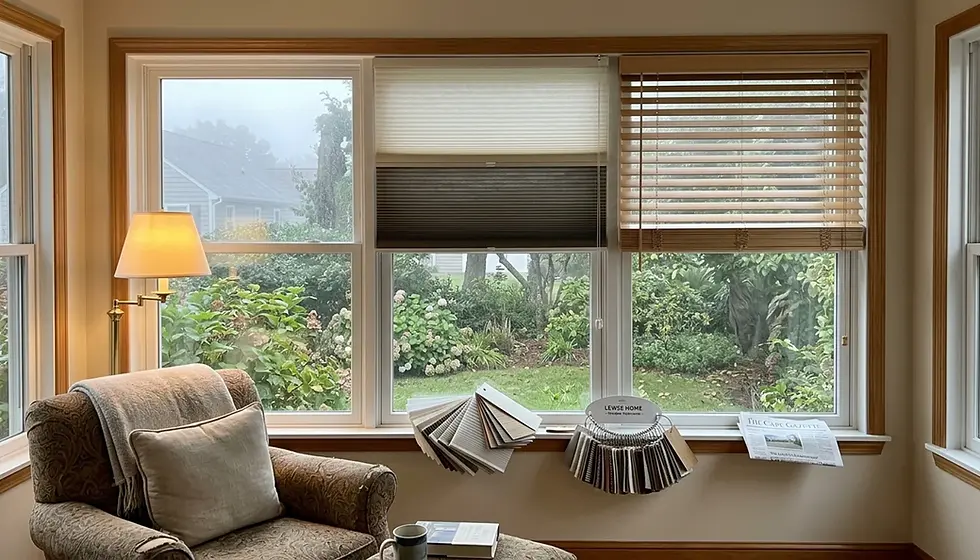
Our free in-home consultation process is built specifically to solve the ROI guesswork this article covers. We bring physical fabric samples into your actual room, evaluate how morning and afternoon light hits your specific windows, and recommend a control strategy, whether that's scheduled automation, sensor-based dynamic control, or simple remote operation, based on how you actually use the room. That's a meaningfully different process than ordering a motorized shade online based on a spec sheet and hoping the fabric performs the way the listing photo suggests.
We carry Hunter Douglas, Norman, and Graber, which means we're not locked into pushing one motorization ecosystem regardless of whether it fits your existing smart home setup. If you already have Lutron switches installed elsewhere in an Annapolis smart home, we'll steer you toward compatible options rather than a competing platform that won't talk to your existing system. And because we handle measurement and installation ourselves rather than shipping a box for DIY assembly, we eliminate the measurement error and improper mounting that quietly erodes insulating performance, the kind of installation gap that no fabric rating can compensate for. For homeowners comparing single versus double cell shades, our consultation walks through exactly which construction makes sense for your specific window before you commit to a motorized upgrade.
Other companies in the regional market sell motorized shades as well, and some online retailers offer lower upfront pricing on retrofit kits. But a locally-owned installer who has measured hundreds of Delmarva windows brings a level of climate-specific and architecture-specific judgment that a national catalog listing simply can't replicate.

Practical Guidance: How Should You Choose an Automated Shade System for ROI?
Choosing an automated shade system for long-term ROI means matching four variables correctly: window orientation, fabric type, control strategy, and power source, rather than picking a single "best" brand off a comparison chart. Here's the practical decision process we walk homeowners through during a consultation:
Identify each window's sun exposure. South- and west-facing windows need solar or tight-weave fabric; north-facing windows benefit more from insulating cellular construction than solar blocking.
Decide on control strategy before choosing hardware. Scheduled automation is simplest and cheapest; sensor-based dynamic control costs more but captures a wider savings range based on real-world testing showing swings from 0.5% to 11.8% depending on strategy.
Match power source to the installation context. New construction or major renovation favors hardwired systems for the lowest long-term maintenance cost; retrofits favor battery or plug-in depending on outlet access near the headrail.
Check warranty terms on the motor separately from the fabric. A strong fabric warranty means little if the motor isn't covered for a comparable period.
Confirm smart home compatibility before ordering. If you already run Alexa, Google Home, Apple HomeKit, Lutron, or Control4, choose a motorization platform proven to integrate with it rather than assuming compatibility.
Get a free in-home consultation rather than ordering blind. Fabric performance looks different in a showroom than in your actual room's light at 4 p.m. in July.
Common mistakes we see include buying a full-blackout fabric for a room that actually wants daytime light filtering, choosing battery power for a large, frequently-used shade that will need constant recharging, and skipping the warranty conversation entirely until a motor fails outside coverage. Homeowners exploring broader options can also review our guide on solar shades for sunrooms or our overview of custom blind costs on the Delmarva Peninsula before scheduling a consultation, since cost context helps frame the ROI conversation from the start.
Frequently Asked Questions
Do automated shades actually save money on energy bills?
Yes, automated shades can reduce energy costs, with industry research showing potential savings up to 30% in favorable residential conditions and 20 to 35% in a documented commercial high-rise study, though actual results depend heavily on climate, fabric choice, and how consistently the automation runs.
How long does it take for motorized shades to pay for themselves?
Payback periods range widely, from about 3 to 5 years in favorable residential testing to over two decades in some commercial retrofits without incentives. Utility rebates and future electricity rate increases can shorten payback significantly, as shown in the commercial study where payback dropped from 21.9 years to 4.4 years once incentives and projected rates were included.
Are cellular shades better than roller shades for ROI?
Cellular shades generally deliver better insulating performance than flat roller shades because their honeycomb pockets trap air against the glass year-round, reducing both heat gain in summer and heat loss in winter. Roller and solar shades remain a strong choice specifically for glare and UV control on sun-intense, south- or west-facing windows.
Is it better to choose battery-powered or hardwired automated shades?
Hardwired systems have the lowest long-term maintenance cost since they eliminate battery replacement, but they require higher upfront installation, often including an electrician. Battery-powered systems are more flexible for retrofits but add a recurring, if minor, maintenance task depending on shade size and usage frequency.
What is included in a free in-home window treatment consultation?
A free in-home consultation with Home Blinds and Floors includes bringing physical fabric samples to your space, evaluating your room's actual light conditions at different times of day, and recommending a specific shade type, fabric, and control strategy based on your windows and smart home setup, with no obligation to purchase.
Does the control strategy matter as much as the shade brand?
Yes. A 2026 study of automated interior insulating shades found energy savings ranging from just 0.5% to 11.8% depending on whether the control strategy was dynamic, on-schedule, or fully manual, a wider variance than most brand-to-brand fabric comparisons produce.
Can automated shades work with Alexa, Google Home, or Apple HomeKit?
Many motorized shade platforms, including Hunter Douglas PowerView, integrate with Alexa, Google Home, and Apple HomeKit, while Lutron's ecosystem integrates deeply with whole-home systems like Control4. Confirming compatibility with your existing smart home setup before ordering avoids a costly mismatch.
Do automated shades increase home resale value?
No verified regional data quantifies a specific resale premium for automated shading on the Delmarva Peninsula, but the pattern we consistently see is that motorized shades photograph well in listings and get mentioned favorably during walkthroughs, particularly in coastal homes where natural light control is a selling point.
Conclusion
Motorized cellular shades with insulating or solar-control fabric remain the strongest long-term ROI performers among automated shade systems in 2026, delivering documented energy savings up to 30% when the fabric, control strategy, and power source are all matched correctly to the window and climate. The payback math varies enormously, from 3 to 5 years in favorable residential setups to well over a decade in commercial retrofits without incentives, which means the specific product details matter more than any single brand name.
Homeowners across the Delmarva Peninsula, from Annapolis and Kent Island down to Rehoboth Beach and Ocean City, face a genuinely wide range of window orientations, architectural styles, and coastal light conditions. Getting the ROI calculation right starts with an honest, in-person evaluation rather than a spec sheet purchase. Home Blinds and Floors offers free in-home consultations to walk through exactly which automated shade system will earn its cost back fastest in your specific space.

If you're weighing options for a sun-drenched room like this one, a bay window sunroom is exactly the kind of space where the wrong shade choice wastes the most energy-saving potential. Our team will walk you through fabric and motorization options in your own light before you commit. Get started with Home Blinds and Floors.
Content powered by inkSTR.co

For anyone comparing ways to collect group notes, the input collection wiki keeps the workflow deliberately plain and easy to follow.