.avif)
.avif)
.avif)
Plantation Shutters with Curtains: A Designer's Guide to Pairing

Updated: Sep 19
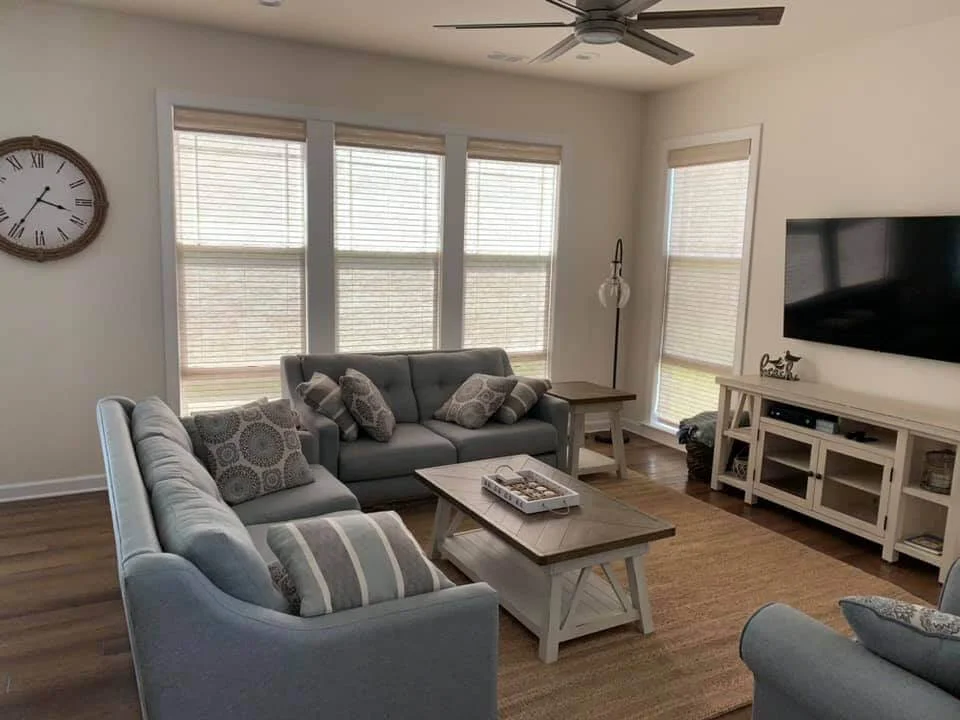
Pairing plantation shutters and curtains creates layered window treatments that maximize light control, privacy, and insulation, though this combination works best in specific scenarios. While most interior designers discourage layering these two treatments, the right combination can solve unique functional challenges and create striking visual impact when executed properly.
TL;DR: Key Takeaways
Plantation shutters with sheer curtains provide maximum light control flexibility while maintaining privacy
This combination costs 40-60% more than single treatments but can reduce energy costs by up to 30%
Best applications include tall windows, rooms needing blackout capabilities, and coastal homes requiring extra weather protection
Professional installation ensures proper mounting clearance and prevents operational conflicts
Success depends on careful color coordination, proper proportions, and understanding room function
The decision to combine these custom window treatments requires understanding both their individual strengths and how they complement each other functionally. At Home Blinds and Floors, we regularly advise Delmarva Peninsula homeowners on this exact question, having seen both successful combinations and costly mistakes over our years serving the Eastern Shore.
Most design professionals resist this pairing because it can overwhelm smaller windows and create maintenance challenges. However, specific situations benefit significantly from this layered approach. Understanding when it works and when it doesn't separates homeowners who love their investment from those who regret it.
Why Do Most Designers Discourage Plantation Shutters and Curtains?
Interior designers typically avoid combining plantation shutters with curtains because the layered look can appear heavy and overwhelming, particularly on standard-sized windows. Both treatments make strong visual statements individually, and pairing them often creates competition rather than harmony.
The proportional challenge represents the primary concern. Plantation shutters already provide substantial visual weight with their structured louvers and solid construction. Adding curtains introduces vertical elements and additional fabric bulk that can make windows appear smaller and rooms feel cramped.
Maintenance complexity increases significantly with dual treatments. Regularly dust shutters becomes more complicated when curtains must be moved aside for access. Similarly, curtain cleaning requires careful handling around shutter mechanisms. For a full maintenance routine, the How To Clean Plantation Shutters A Delmarva Homeowner S Guide covers everything you need to know.
Cost considerations also influence professional recommendations. Installing both treatments typically costs 40-60% more than single solutions, making budget-conscious clients hesitant to pursue this combination without clear functional benefits.
Operational conflicts create the final deterrent. Curtains can interfere with shutter operation if not properly planned, while shutter handles may snag delicate curtain fabrics during daily use.
The Visual Weight Problem
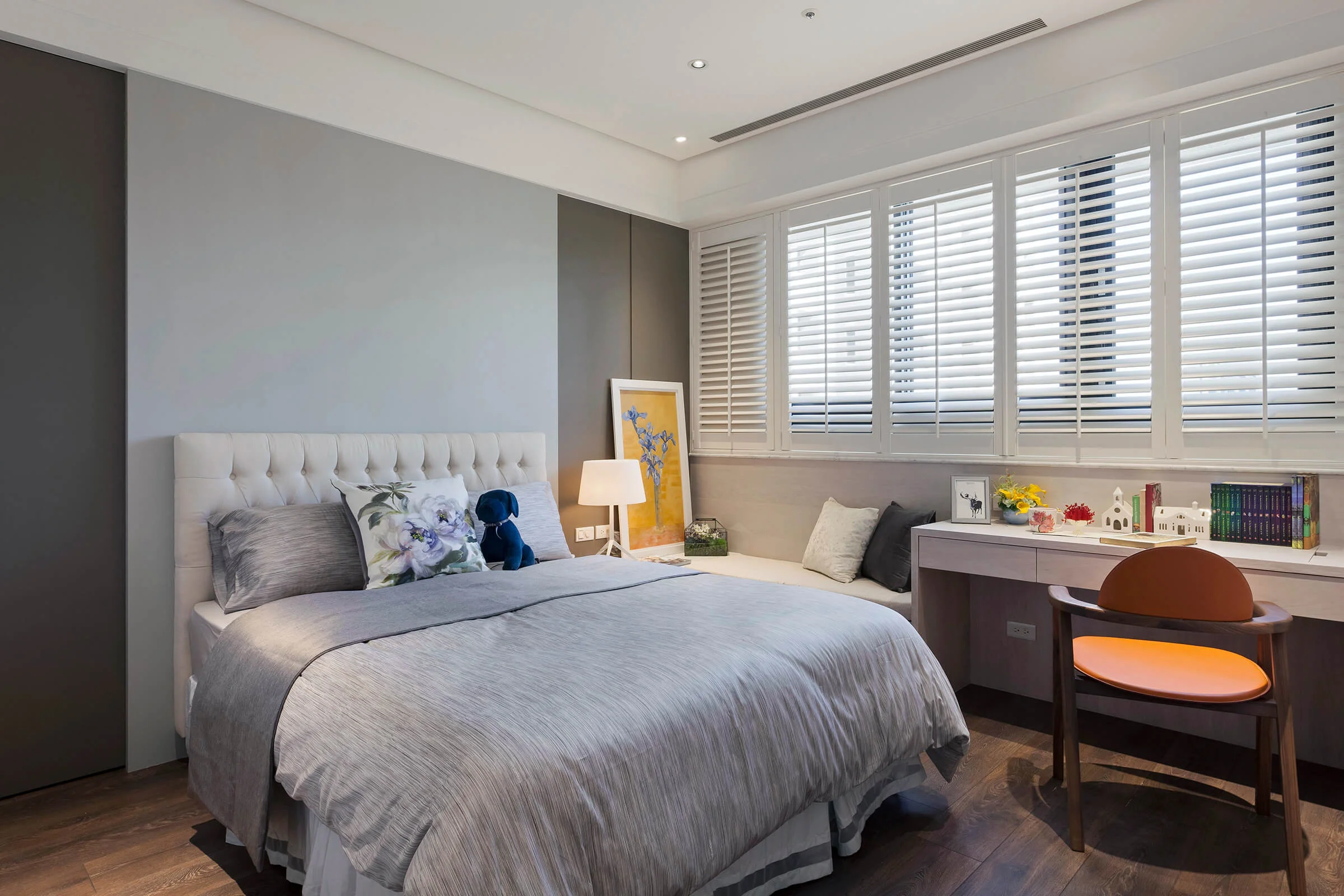
Visual weight refers to how much attention window treatments draw in a room's overall design. Custom shutters create substantial horizontal visual weight through their structured louvers and frame construction. Curtains add vertical weight through flowing fabric and hanging mechanisms.
When both treatments compete for attention, neither achieves its full aesthetic impact. The eye struggles to focus, creating visual tension rather than the calm, balanced feeling that well-designed window treatments should provide.
This issue becomes particularly pronounced in rooms with multiple windows. Each window combination multiplies the visual complexity, potentially overwhelming the space's other design elements like furniture, artwork, and architectural features. Homeowners exploring 8 best types of interior window shutters for Delmarva homes can better gauge how different shutter styles affect visual weight before committing to a combination.
Installation and Clearance Challenges
Professional installation becomes significantly more complex when accommodating both treatments. Curtain rods must be positioned far enough from the window to clear shutter operations, typically requiring extended brackets that project 4-6 inches from the wall.
This extended projection can interfere with furniture placement and create awkward proportions, particularly in smaller rooms or spaces with low ceilings. The visual gap between shutters and curtains can appear unintentional rather than designed.
Mounting weight considerations also increase. The combined weight of shutters plus curtains and hardware requires more robust wall anchoring, potentially limiting installation options in homes with hollow walls or older construction. For homeowners exploring drill-free window blinds and damage-free installation, this weight factor is especially important to consider.
When Should You Pair Plantation Shutters with Curtains?
Despite designer hesitations, specific scenarios benefit significantly from combining plantation shutters with curtains. These situations involve functional needs that neither treatment can adequately address alone, making the combination worth its additional complexity and cost.
Tall windows over 8 feet benefit most from this pairing. The extra height provides sufficient visual space for both treatments to coexist without overwhelming the window or room proportions. Floor-to-ceiling windows particularly benefit from this layered approach. For ideas on handling large window formats, see top window treatment ideas for large windows in 2025.
Rooms requiring maximum light control present another ideal scenario. Bedrooms needing blackout capabilities for shift workers, home theaters requiring complete darkness, and nurseries where light control affects sleep schedules all benefit from the enhanced light-blocking power of combined treatments.
Coastal homes face unique environmental challenges that make this combination practical. Salt air and intense UV exposure can damage single treatments more quickly than layered protection. The shutters provide structural protection while curtains offer additional UV filtering and insulation. For coastal-specific ideas, explore Roman Shades Plus Curtains The Layering Guide For Coastal Homes. Homeowners along the shore can also find region-specific guidance through Top Window Treatments For Ocean City Coastal Homes.
Maximum Privacy Requirements
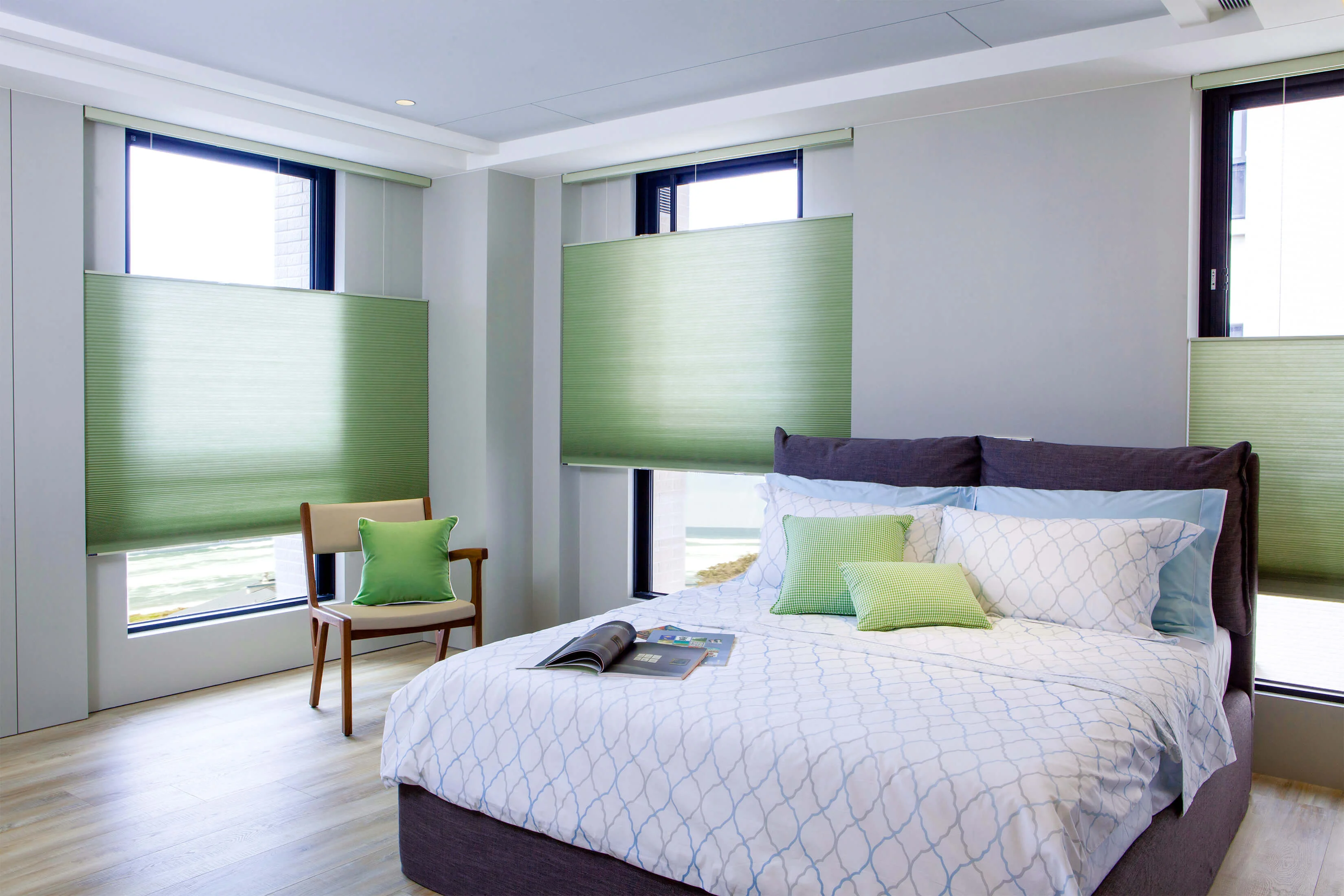
Certain living situations demand privacy levels that single treatments cannot provide. Street-facing bedrooms, bathrooms with close neighbors, and home offices handling confidential work all benefit from layered privacy options.
The combination allows graduated privacy control. Shutters can be adjusted for specific sight line blocking while curtains provide complete coverage when needed. This flexibility proves particularly valuable for rooms serving multiple functions throughout the day.
Ground-level windows in urban areas face additional privacy challenges. The ability to close shutters for structure while maintaining curtain coverage provides superior privacy compared to either treatment alone. Homeowners seeking the best privacy solutions can also explore top privacy window treatments for stylish security in 2025.
Energy Efficiency Maximization
Layered window treatments create superior insulation compared to single options. The air gap between shutters and curtains provides additional thermal barrier, potentially reducing energy costs by up to 30% according to energy efficiency studies.
This benefit becomes particularly valuable in extreme climates. Homes facing harsh winters or intense summers see measurable utility bill reductions when treatments work together to minimize heat transfer through windows.
Polywood shutters can prevent up to 30 degrees of temperature transfer from windows. Adding insulating curtains compounds this effect, creating window systems that rival double-pane glass for thermal performance. For more on maximizing window insulation, see The Best Ways To Improve Home Insulation In Delmarva Homes. You can also review a guide to energy efficient window treatments for Delmarva homes for additional strategies. Homeowners looking for more ways to reduce heat gain can also consult our guide on best ways to block heat from windows in a Delmarva home. For a broader look at the ultimate guide to energy efficient shades for Delmarva homes, additional shade options are covered in detail.
What Are the Specific Design Rules for Success?
Successfully combining plantation shutters with curtains requires following specific design principles that create harmony rather than competition. These rules address proportion, color, texture, and installation considerations that determine whether the combination enhances or detracts from room design.
The 60-30-10 color rule applies directly to shutter and curtain combinations. Shutters should represent the dominant color (60%), curtains the secondary color (30%), and hardware the accent color (10%). This proportion prevents either treatment from overwhelming the space.
Texture contrast enhances the combination's visual appeal. Smooth, structured shutters pair beautifully with flowing, soft curtain fabrics. This contrast creates visual interest while maintaining balance between the treatments' different characteristics.
Scale relationships determine success or failure. White plantation shutters work best with floor-length curtains that just touch the floor or have a slight break, typically about 1 inch longer than the floor-to-rod measurement. For guidance on choosing curtains that complement your shutters, the How To Pick Curtains A Delmarva Homeowner S Guide is an excellent resource.
Color Coordination Strategies
Monochromatic schemes provide the safest approach for beginners. Using different shades of the same color family creates cohesion while allowing each treatment to maintain its distinct character. Cream shutters with ivory curtains exemplify this approach.
Neutral base palettes offer maximum flexibility. White or off-white shutters serve as the perfect foundation for virtually any curtain color, allowing homeowners to change curtain colors seasonally without replacing shutters.
Contrast approaches work when executed carefully. Dark shutters with light curtains can create dramatic effects, but this combination requires confident color handling and typically works better in larger rooms with higher ceilings. For more inspiration, see Your Guide To Decorating Window Blinds In Delmarva Homes. Homeowners looking for living room-specific ideas can also browse custom modern blinds for your Delmarva living room for coordinated color and style guidance.
Proportion and Hardware Selection
Curtain rod placement significantly impacts the overall appearance. Rods should be positioned at least 4-6 inches beyond the shutter frame to allow full operation of both treatments. Brushed metal curtain rods are recommended for modern style living rooms with white plantation shutters.
Hardware finish coordination ties the look together. Matching shutter hinges with curtain rod finishes creates intentional design cohesion rather than accidental layering appearance.
Bracket selection affects functionality and appearance. Extended brackets that project curtains sufficiently from shutters prevent operational conflicts while maintaining clean lines. For further reading on coordinating custom shutters with your home's style, Custom Shutters For Delmarva Homes A Complete Style Guide is a helpful resource. You can also explore curtains and plantation shutters: 10 things nobody tells you for additional pairing insights. Homeowners who want guidance on choosing the right custom window blinds can also review choosing the perfect custom window blinds for coordinating hardware and treatment decisions. For help with custom valances for blinds, this Delmarva homeowner's guide offers additional finishing touch ideas.
How Much Does This Combination Actually Cost?
Understanding the true cost of combining plantation shutters with curtains requires examining both initial installation expenses and long-term value considerations. This investment typically ranges from $400-800 per window for mid-range options, with premium combinations reaching $1,000+ per window.
Plantation shutters alone cost $200-500 per window for quality options, while custom shades add $150-400 depending on fabric choice and window size. Professional installation increases total costs by $100-200 per window but ensures proper clearances and operation. For a detailed cost breakdown by region, see Window Shutter Installation Cost A Delmarva Homeowners Guide.
Ready-made curtains paired with custom blinds represent a budget-friendly approach, potentially reducing curtain costs to $50-150 per window while maintaining the custom fit benefits of professional shutter installation. For broader cost comparisons, How Much Do Custom Blinds Cost On The Delmarva Peninsula provides helpful regional context.
Long-term value considerations offset higher initial costs. Quality plantation shutters last 15-20 years with proper maintenance, while curtains typically require replacement every 5-10 years depending on fabric and sun exposure. Reviewing Understanding Your Shutter Installation Cost In Delmarva can help you plan your total budget with confidence.
Component | Budget Range | Mid-Range | Premium |
Plantation Shutters | $200-300 | $350-450 | $500-700 |
Custom Curtains | $50-150 | $200-300 | $400-600 |
Hardware & Installation | $75-125 | $150-200 | $250-350 |
Total Per Window | $325-575 | $700-950 | $1150-1650 |
Cost-Saving Installation Strategies
Installing shutters on lower windows and curtains for upper windows reduces costs while maintaining functionality. This approach works particularly well for tall windows where full shutter coverage becomes prohibitively expensive.
Phased installation allows budget spreading over time. Installing shutters first provides immediate benefits, with curtains added later as budget permits. This strategy works best when planned from the beginning to ensure proper hardware positioning.
Material selection significantly impacts total investment. Composite shutters cost less than solid wood options while providing similar appearance and functionality. Similarly, cotton or linen curtain materials offer durability at lower price points than silk or designer fabrics. Homeowners can also compare options using the complete coastal home cost guide for blinds vs shutters. For a side-by-side look at wood versus faux wood options, plantation blinds and shutters guide for Delmarva homes offers helpful context on material trade-offs.
Return on Investment Considerations
Energy savings provide ongoing financial benefits that partially offset higher installation costs. Homes with properly installed shutter and curtain combinations report 20-30% reductions in heating and cooling costs for treated rooms.
Property value increases vary by market but typically range from 50-75% of installation costs. Custom window treatments appeal to potential buyers and demonstrate home maintenance attention that supports asking prices. For staging tips that maximize this value, see Best Ways To Stage A Home For A Fast Sale In Delmarva.
Insurance benefits apply in some coastal areas where storm shutters provide verified protection. Homeowners should consult insurance providers about potential premium reductions for homes with qualified protective window treatments. For guidance on choosing the right shutters and window treatments for your region, explore a homeowner's guide to window shutters in the Delmarva Peninsula.
Which Rooms Work Best for This Combination?
Room selection significantly influences the success of plantation shutter and curtain combinations. Certain spaces benefit from the enhanced functionality and visual impact, while others are better served by single treatments or alternative approaches.
Bedrooms represent the most successful application for this combination. The need for variable light control, privacy options, and insulation benefits align perfectly with what layered treatments provide. Master bedrooms particularly benefit from the sophisticated appearance and functional flexibility.
Living rooms work well when windows exceed 8 feet in height and the room maintains formal or transitional design styles. The combination creates focal points that anchor seating arrangements while providing conversation-worthy architectural interest. For living room-specific inspiration, see top blinds for living room ideas in Delmarva Peninsula homes.
Home offices and studies benefit from the privacy and light control options. The ability to adjust both treatments independently allows optimization for computer screen visibility, video calls, and concentrated work periods. For office-specific guidance, best window treatments for office spaces in Delmarva offers targeted recommendations.
Bedroom Applications
Master bedrooms benefit most from this combination's sleep enhancement capabilities. Blackout shades curtains behind adjustable shutters create complete darkness for shift workers or those sensitive to early morning light.
Guest bedrooms appreciate the flexibility for different visitor preferences. Some guests prefer complete darkness while others enjoy filtered morning light. Dual treatments accommodate both without requiring room changes.
Children's bedrooms benefit from safety and functionality aspects. Cordless shutters eliminate safety hazards while curtains provide the soft, cozy atmosphere children prefer for sleep and play. For more bedroom-specific ideas, explore 10 Creative Bedroom Window Blinds Ideas For Style Privacy. Homeowners can also review the best blinds for bedrooms in your Delmarva home for additional options that pair well with curtains in sleeping spaces.
Kitchen and Bathroom Considerations
Kitchen applications require careful material selection due to humidity and grease exposure. Water-resistant plantation shutters work well in bathrooms, while best modern window treatments for delmarva kitchens should use washable fabrics that resist staining and odor absorption.
Sill-length curtains work better than floor-length options in kitchens and bathrooms to avoid fabric touching surfaces or interfering with appliances and fixtures.
Provide privacy remains the primary concern in bathroom applications. The combination ensures complete privacy options while maintaining ventilation capabilities through shutter adjustment. For more bathroom inspiration, see Stylish Bathroom Window Treatment Ideas To Elevate Your Space. Homeowners remodeling kitchens can also find coordinated ideas through our guide on custom window treatments for modern kitchens in Delmarva.
What Installation Challenges Should You Expect?
Professional installation becomes essential when combining plantation shutters with curtains due to the precision required for proper clearances and operational functionality. DIY approaches often result in treatments that interfere with each other or create awkward visual gaps.
Mounting sequence affects both appearance and functionality. Shutters must be installed first to establish proper window frame measurements, followed by curtain hardware positioned to clear shutter operation zones.
Wall structure assessment becomes critical with the increased weight load. Both treatments require secure mounting, and their combined weight often necessitates blocking or structural anchoring beyond standard drywall anchors.
Clearance calculations require professional precision. Curtain rods positioned too close to shutters prevent proper operation, while excessive gaps create unintentional appearance. Professional installers understand these tolerances and adjust for window variations. For a comprehensive overview, see Your Expert Guide To Window Treatments Installation In Delmarva.
Common Installation Mistakes
Insufficient projection represents the most frequent DIY error. Homeowners underestimate how far curtains must extend from shutters to prevent operational conflicts, resulting in treatments that cannot function properly together.
Inadequate structural support causes sagging and operational problems over time. The combined weight requires proper wall anchoring that amateur installations often overlook until problems develop.
Misaligned hardware creates uneven appearances that professional eyes immediately notice. Slight variations in curtain rod levelness or shutter alignment become magnified when both treatments are present. For a detailed look at how professionals handle this, see A Delmarva Homeowner S Guide To Diy Interior Shutters. Homeowners planning their first installation can also review how to measure windows for blinds for a perfect fit to avoid sizing errors before hardware is ordered.
Professional Installation Benefits
Warranty protection covers both treatments and their interaction when professionally installed. This coverage proves valuable if adjustments become necessary or operational conflicts develop over time.
Proper measurement ensures optimal proportions between treatments and prevents the oversized or undersized appearance that diminishes the combination's visual impact. For shutter measurement guidance, see How To Measure Shutters A Delmarva Homeowner S Guide.
Professional insight helps homeowners avoid combinations that won't work in their specific situations. Experienced installers can suggest alternatives or modifications that achieve desired outcomes more effectively. You can also review how to install plantation blinds with this complete DIY guide if you prefer a hands-on approach. For those considering the ultimate guide to plantation shutter windows for your Delmarva home, this resource provides detailed product and installation context. Homeowners interested in how professional installation compares to DIY can also read about window treatments installation in Annapolis, MD for a practical perspective. For those weighing the value of choosing a local expert for blinds and shutters near me in Delmarva, this guide explains the advantages of working with regional professionals.
How Do You Maintain This Combination Long-Term?
Maintaining plantation shutters with curtains requires establishing routines that address both treatments without creating conflicts or damage. The layered nature increases complexity but proper approaches prevent problems and extend treatment lifespans.
Cleaning schedules must accommodate both treatments' needs. Shutters require weekly dusting while curtains need periodic deep cleaning. Coordinating these schedules prevents dust transfer between treatments and maintains optimal appearance.
Seasonal maintenance becomes more important with dual treatments. Spring and fall deep cleaning sessions should address both shutters and curtains, checking for wear, adjusting hardware, and refreshing appearance.
Operational maintenance includes checking clearances, lubricating hinges, and ensuring curtains don't interfere with shutter mechanisms. Regular attention prevents small issues from becoming major problems.
Cleaning Best Practices
Vacuum attachments work well for routine shutter cleaning, while curtains benefit from professional cleaning or careful machine washing depending on fabric type. Never attempt to clean both simultaneously as dust and cleaning solutions can transfer between treatments. A useful reference is A Guide To Cleaning Shutters For Your Delmarva Home.
Microfiber cloths provide the best results for shutter louver cleaning without scratching surfaces. Work systematically from top to bottom to prevent dust redistribution onto clean sections.
Curtain rotation extends fabric life when multiple panels are available. Alternating panels during cleaning cycles prevents uneven wear and fading while ensuring continuous window coverage.
Damage Prevention Strategies
Hardware inspection should occur monthly to identify loose screws, bent brackets, or alignment issues before they cause damage. Addressing minor problems early prevents costly repairs or replacements.
Sun exposure management protects fabric curtains from UV damage. Adjusting shutters to filter direct sunlight reduces curtain fading while maintaining the desired room ambiance. For more on blocking heat and UV through windows, see Best Window Coverings To Keep Heat Out Of Your Delmarva Home.
Moisture control prevents wood shutters from warping and fabric curtains from developing mold or mildew. Proper ventilation and humidity management protect both treatments in coastal environments. Homeowners can also explore How To Clean Plantation Blinds In Your Delmarva Home for additional upkeep tips. For those who prefer a broader overview of window treatment care, how to choose window treatments with expert tips for every room is also a helpful resource. Homeowners seeking low-effort long-term solutions may also find value in our guide to top low-maintenance blinds for homes in the Delmarva Peninsula. For quick cleaning tips that apply to both shutters and curtain hardware, how to clean blinds with easy tips for sparkling windows is a practical resource.
Frequently Asked Questions
Should you have curtains with plantation shutters?
Curtains should be paired with plantation shutters only in specific situations: tall windows over 8 feet, rooms requiring maximum light control or privacy, and coastal homes needing extra UV protection. Most standard windows function better with single treatments due to visual weight and maintenance considerations.
Why are people getting rid of plantation shutters?
Homeowners remove plantation shutters primarily due to changing design preferences toward minimalist aesthetics, maintenance fatigue from regular cleaning requirements, and functional limitations in rooms where maximum natural light is preferred. Cost of repair and updating also influences removal decisions in older homes.
What is the downside of plantation shutters?
Key disadvantages include higher initial cost compared to other blinds, regular maintenance requirements for optimal appearance, limited light filtering compared to fabric options, and potential operational issues in coastal environments where salt air affects hardware longevity. You can explore the full picture in Plantation Shutters Vs Blinds A Delmarva Homeowners Guide.
Why do rich people leave windows uncovered?
Wealthy homeowners often choose uncovered windows to maximize architectural views, showcase high-end window construction and framing, maintain unobstructed natural light in spaces with premium lighting design, and demonstrate confidence in privacy through property size and strategic landscaping rather than window treatments.
How much clearance do curtains need from plantation shutters?
Curtains require 4-6 inches clearance from plantation shutters to prevent operational interference. This spacing allows full shutter operation while providing adequate fabric drape. Professional installation ensures proper measurement and bracket positioning for optimal clearance.
Can you install curtains and shutters on the same window frame?
Yes, but installation requires careful planning for mounting locations, weight distribution, and operational clearances. Shutters mount directly to the window frame while curtains typically mount to the wall above and beyond the frame. Professional installation prevents conflicts and ensures proper function. For a helpful reference, how to measure windows for shutters walks through the key dimensions to capture before installation.
What curtain styles work best with plantation shutters?
Floor-length panels in solid colors or subtle patterns complement plantation shutters best. Avoid busy patterns that compete with shutter lines, and choose fabrics that provide the texture contrast to the shutters' smooth surfaces. Sheer or semi-sheer options work particularly well for layered light control. To explore how drapes and curtains differ for this pairing, see Drapes Vs Curtains A Delmarva Homeowner S Guide To Choosing Right. For a related look at how Roman shades and curtains work together, see What Nobody Tells You About Roman Shades and Curtains Together. Homeowners seeking sheer or light-filtering fabric ideas can also explore light filtering vs blackout shades to find the right opacity level for their pairing.
Conclusion
Combining plantation shutters and curtains succeeds when functional needs justify the additional complexity and cost. While most interior designers discourage this pairing for standard applications, specific scenarios involving tall windows, maximum privacy requirements, or coastal environmental challenges benefit significantly from the layered approach. Success depends on careful attention to proportion, color coordination, and professional window treatment installation that ensures both treatments operate without interference.
The key lies in understanding when the combination solves problems that single treatments cannot address adequately. Energy efficiency gains, enhanced privacy options, and superior light control justify the investment in appropriate applications. Homeowners considering this approach should evaluate their specific functional needs against the aesthetic and maintenance implications to make informed decisions. For a broader look at shutter styles suited to different home types, Different Styles Of Plantation Shutters A Delmarva Homeowner S Guide is an excellent starting point. You may also find The Ultimate Guide To Plantation Shutters For Delmarva Homes and Why Plantation Shutters Are The Smartest Upgrade For Your Delmarva Home helpful as next steps. You can also compare your options using Plantation Shutters Versus Blinds Which Is Best For You for a side-by-side perspective. Homeowners interested in how shutters pair with other window types can also explore 7 Common Types Of Interior Shutters To Know In 2025 and Types of House Shutters: Every Style and Material Explained for additional context. For those weighing the value of plantation shutters as a smart investment for your Delmarva home, this resource offers compelling reasons to consider the upgrade. Homeowners exploring how this pairing fits into a full home remodel can also consult your ultimate Delmarva home remodel window treatment checklist for a step-by-step planning guide.
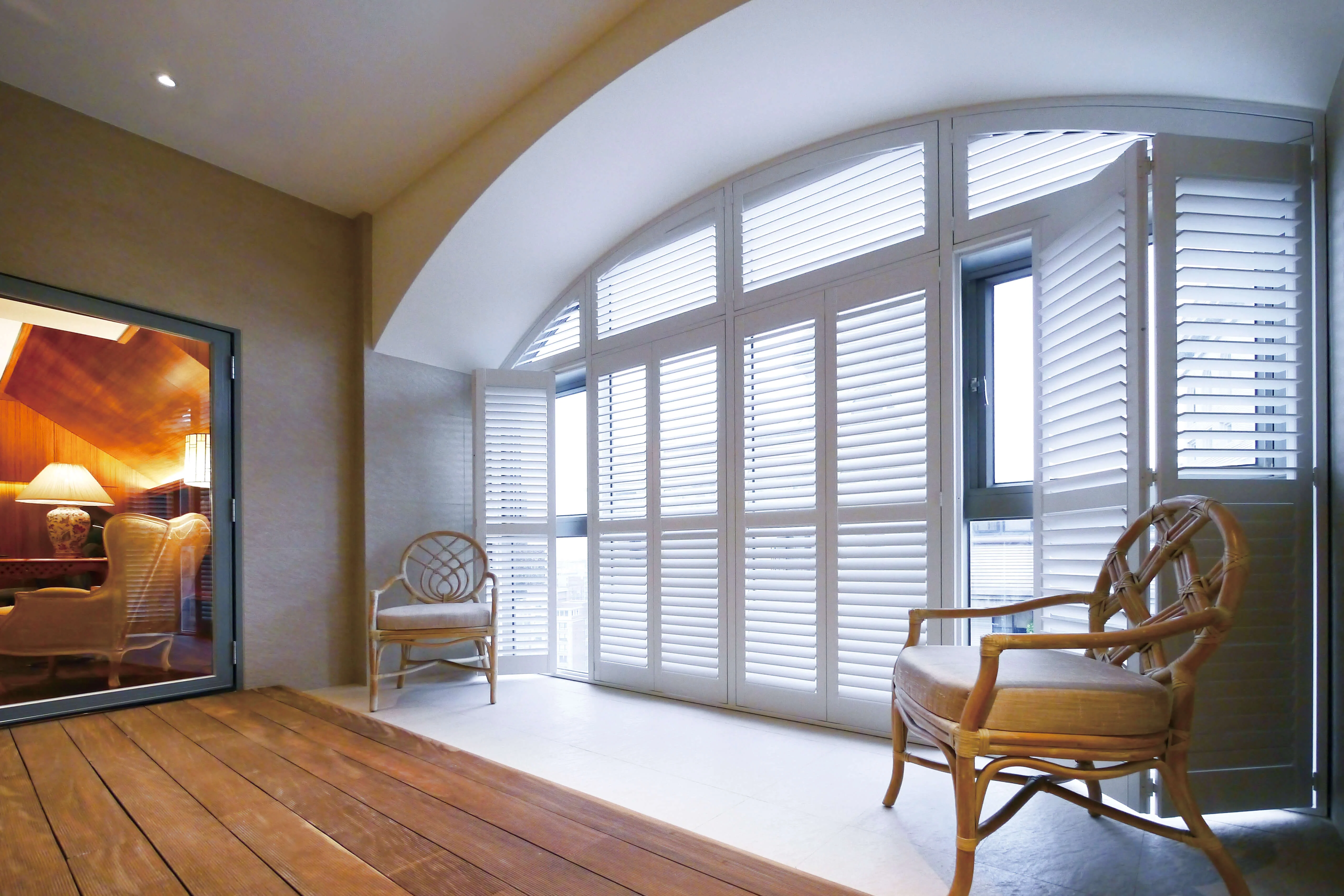
If you're considering custom plantation shutters for your Delmarva Peninsula home, Home Blinds and Floors provides expert consultation on whether adding curtains enhances or detracts from your specific situation. Our coastal expertise helps homeowners navigate these decisions with confidence, and you can check our reviews from satisfied customers. Contact us for your complimentary consultation. For more inspiration on pairing shutters with other window treatments in the region, explore our Why Plantation Shutters Near Me Leads You To A Local Delmarva Expert guide, or browse our full range of Delmarva Window Shutters options. Homeowners with unique window shapes can also find helpful resources through our Arched Window Treatments category. For those exploring how this combination works on patio doors and sliding glass doors, see our Patio Door Solutions resources. Homeowners with curved or specialty windows can also explore Curved Window Solutions for tailored treatment ideas, and those looking to enhance outdoor views through their windows may benefit from our Outdoor View Enhancements resources.
Comments