.avif)
.avif)
.avif)
A Delmarva Homeowner's Guide To DIY Interior Shutters

TL;DR: Successfully installing DIY interior shutters in your Delmarva home requires precise measurements, choosing climate-appropriate materials (like composite or vinyl), and careful installation. While a rewarding project, specialty windows or out-of-square frames often need a professional touch. For expert advice and guaranteed installation from Salisbury to Rehoboth Beach, consider a free consultation with Home Blinds & Floors.
Thinking about tackling a DIY interior shutter project to transform a room in your Delmarva home? At Home Blinds & Floors, we know a successful installation can add timeless style and value. But we also know that our coastal climate and the unique character of Eastern Shore homes present specific challenges.
This guide is designed to walk you through the entire process, from picking materials that can handle Delmarva's humidity to getting those final adjustments just right. We'll cover the key decisions you need to make to ensure your project goes smoothly, so you end up with a finish that looks like a pro did it. Getting a deeper feel for how design elements work together, like understanding the differences between interior architecture and interior design, can also give you a great starting point for your vision.
Getting Started On Your DIY Shutter Project
So, you're ready to tackle DIY interior shutters? The first, most critical phase is all about an honest assessment—not of materials, but of your windows and your own comfort level. Taking a little extra time to plan now is the secret to getting that stunning, professional-quality result you're after.
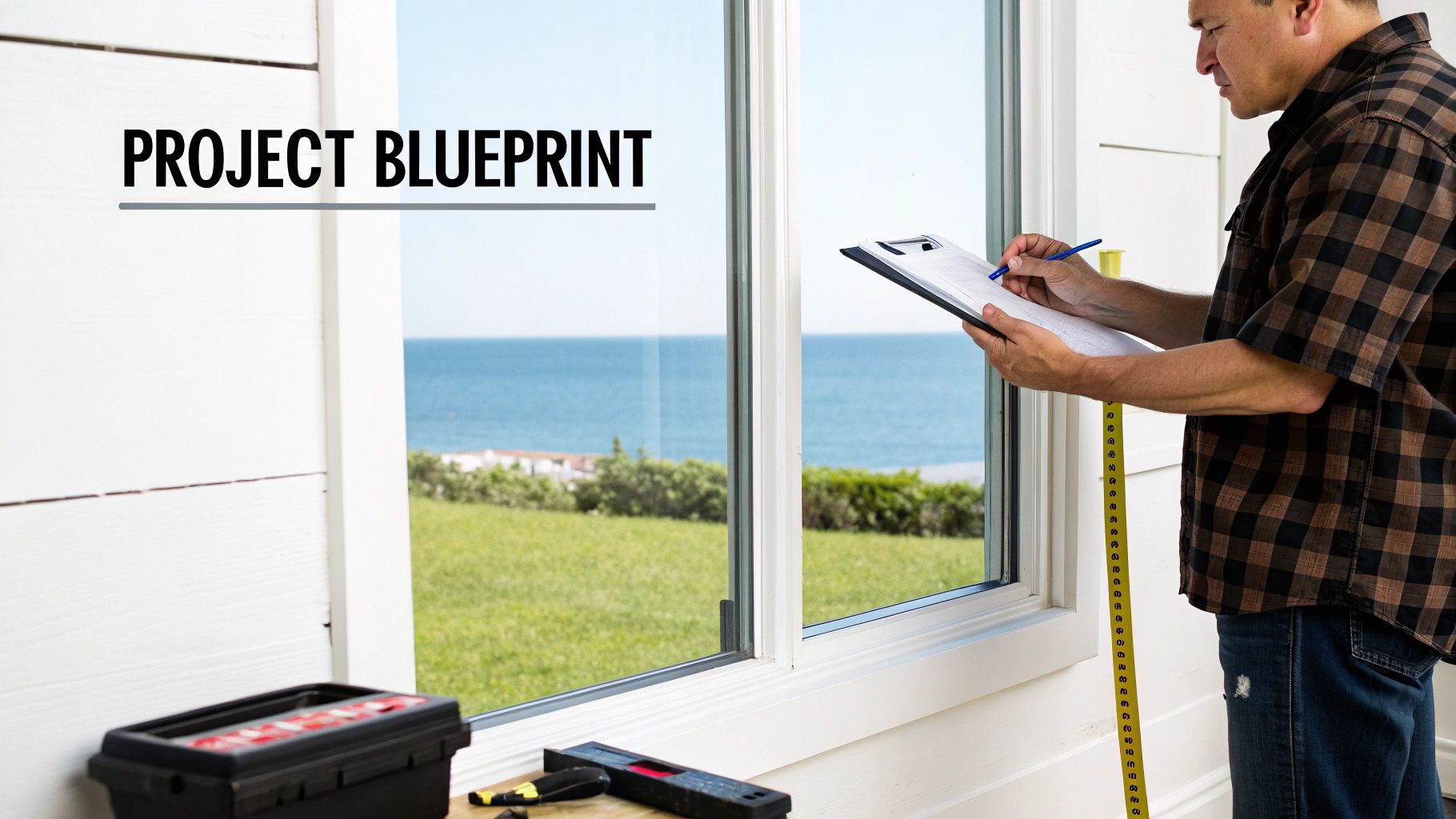
As a local, family-run business, Home Blinds & Floors provides personal service, competitive pricing, and professional installation throughout Sussex, Wicomico, Kent, and beyond. We've seen what separates a smooth DIY installation from a frustrating one, and it all starts with planning.
Assess Your Windows And Your Skills
First things first, get up close and personal with your windows. Are the frames truly square? This is a huge deal, especially in older Eastern Shore homes where settling is common. A quick way to check is to measure diagonally from corner to corner. If those two measurements don't match, your window is "out-of-square," and that's something you'll need to account for during the install.
Next, look at the window's anatomy.
Window Sill: Do you have a sill that juts out into the room? This can affect the type of shutter frame you’ll be able to use.
Window Depth: Deep-set, recessed windows are often a gift for DIYers. They give you more wiggle room for an inside-mount shutter, which delivers that classic, built-in look.
Obstructions: Don't forget to check for things like window cranks, locks, or even alarm sensors that might get in the way when you try to open or close the shutter panels.
Now for a moment of truth: your skills. You absolutely don't need to be a seasoned carpenter, but you should be comfortable with precise measurements and basic tools. If using a level, drill, and tape measure feels a bit daunting, that's okay—but it's definitely something to factor into your decision.
Define Your Project Goals And Gather Tools
With a solid understanding of your windows, you can start to define your goals. What's the "why" behind this project? Are you trying to achieve blackout conditions for a bedroom, add some much-needed privacy to a living room that faces the street, or is it purely for that timeless aesthetic? Knowing your end goal will make every other decision easier.
A common mistake is rushing into a DIY project without the right tools. Having everything on hand before you start makes the process smoother and prevents frustrating interruptions.
Before you get too far, it's a good idea to explore tools and resources with specific features that can make your project much easier. Here’s a look at the essential tools you’ll want to have ready:
Steel Tape Measure: For dead-on accurate measurements.
Level: This is non-negotiable for getting your shutter frame perfectly straight.
Drill with Bits: For pilot holes and driving in screws.
Pencil: For all your markings.
Shims: These little wood or plastic wedges are lifesavers for leveling the frame in an uneven window opening.
Choosing The Right Shutter Materials For The Delmarva Climate
Picking the right material for your DIY interior shutters is probably the most important decision you'll make, especially here on the Delmarva Peninsula. The humidity we get in coastal towns from Salisbury to Rehoboth Beach can be brutal on certain materials. Home Blinds & Floors offers a wide selection of custom blinds and shades in Delmarva, with expert installers who bring the showroom to your living room to help you choose the perfect, climate-ready material.
Ultimately, you're trying to find that sweet spot where your style, your budget, and the reality of our local climate all meet.
Classic Real Wood Shutters
You just can't beat the warmth and authentic charm of real wood shutters. They have a classic, high-end feel and give you the flexibility to stain them to perfectly match your floors, trim, or furniture. For a lot of people, that natural wood grain is an absolute must-have for their home's aesthetic.
But remember, wood is a natural material, and that means it expands and contracts with humidity. On Delmarva, this can leave wood shutters vulnerable to warping or swelling over time if they aren't perfectly sealed and maintained.
High-Performance Composite Shutters
Composite shutters—sometimes called engineered wood—are a fantastic middle-ground solution and one of our most frequent recommendations for Delmarva homes. They’re made from a mix of wood fibers and durable polymers, giving you the solid feel and elegant look of real wood without the weaknesses. Their biggest advantage is how well they stand up to our coastal climate.
Because they're engineered for stability, composite shutters won't warp, crack, or peel, even with the high humidity we see all across the Eastern Shore.
Expert Insight: For most Delmarva homeowners, composite shutters really hit the mark. You get the premium look of wood without having to worry about what the humid summer air is doing to your investment.
This resilience makes them a go-to for pretty much any room in the house, from a sun-drenched living room in Easton to a breezy bedroom in Ocean City. It's a worry-free option that looks great for years.
Practical And Durable Vinyl Shutters
When you're dealing with constant moisture—think bathrooms, laundry rooms, or right over the kitchen sink—vinyl shutters are the undisputed champ. They are completely waterproof, a breeze to clean, and built to handle the toughest spots in your home.
While they don't have the same hefty, high-end feel as wood or composite, modern vinyl shutters look great and are incredibly functional. They’re a smart, budget-friendly choice when moisture resistance is your number one priority.
DIY Shutter Material Comparison
Material | Pros | Cons | Best For |
|---|---|---|---|
Wood | Authentic, high-end look; can be custom stained; adds significant home value. | Susceptible to humidity/moisture; can warp or swell; higher maintenance. | Living rooms, bedrooms, and dining rooms with stable, controlled climates. |
Composite | Looks and feels like wood; highly durable and stable; moisture and UV resistant. | Cannot be stained (painted only); heavier than vinyl. | Any room, especially in high-humidity areas like Delmarva. A great all-around choice. |
Vinyl | 100% waterproof; very low maintenance; budget-friendly. | Can look less premium than wood or composite; fewer color options. | Bathrooms, kitchens, laundry rooms, and any area with direct water exposure. |
Globally, 65% of renovators pick interior shutters for the way they elevate a room's decor, privacy, and even energy efficiency. If you're curious, you can learn more about these global window treatment trends and see how popular your project choice is.
For a more detailed comparison of wood versus engineered options right here in our region, take a look at our guide on wood vs. faux wood blinds for Delmarva homeowners. The insights there apply just as much to shutters and can really help you finalize your decision.
How To Measure And Install Your Shutters Like A Pro
This is where careful planning pays off. Getting your measurements right is the absolute bedrock of a successful DIY interior shutters project. Even a tiny mistake here can throw the whole installation off, so precision is key.
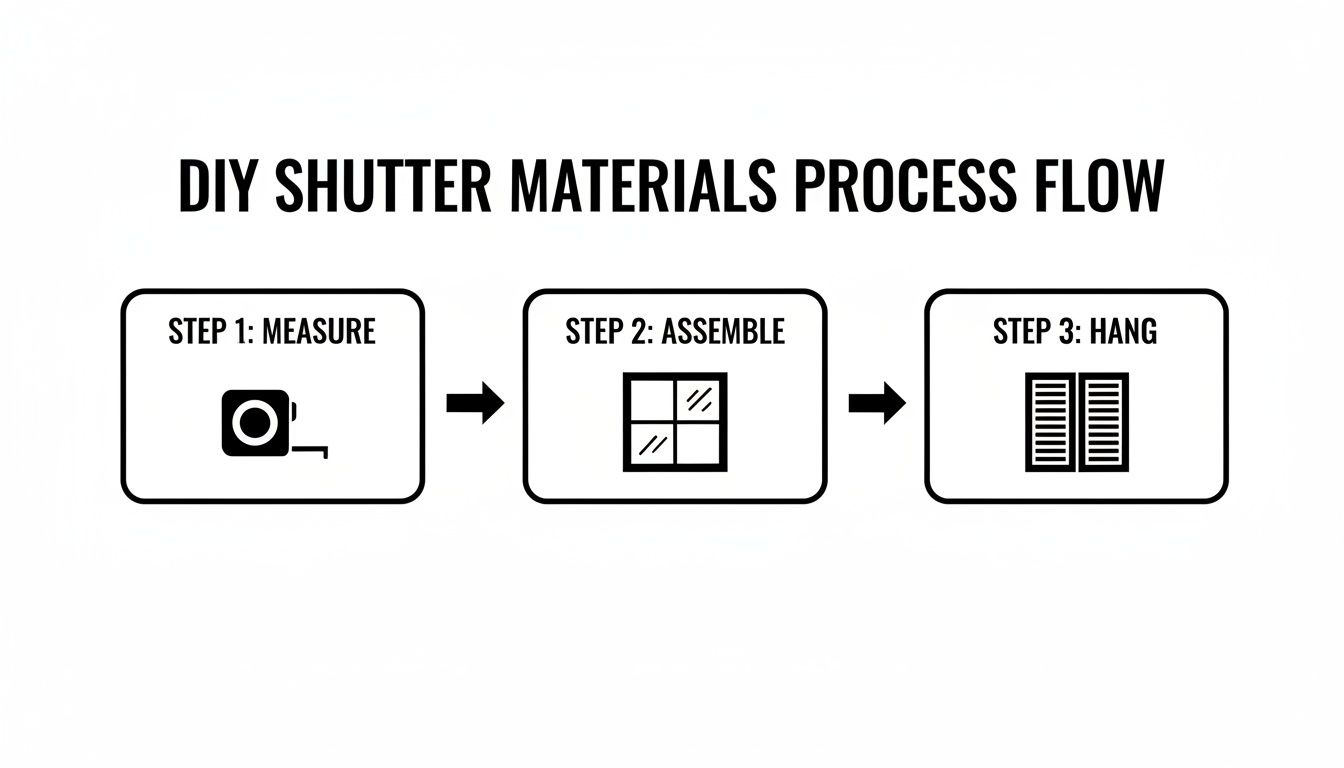
From free in-home consultations to flawless installation, Home Blinds & Floors takes the stress out of selecting window treatments. Our team of expert installers brings the showroom to your living room in Salisbury, Easton, and beyond, ensuring a perfect fit every time.
Mastering The Art Of The Measurement
First, you need to choose between an inside mount and an outside mount. An inside mount sits cleanly inside the window frame, giving you that slick, built-in look. An outside mount attaches to the wall or trim around the window—a great fix for windows that are out-of-square or don't have enough depth.
If you're going for an inside mount, just remember the three-by-three rule:
Measure the width at the top, middle, and bottom of the frame.
Measure the height on the left, in the center, and on the right.
Always use the smallest of the three measurements for both width and height when you order. This guarantees the shutter frame will fit.
Next, check if your window is square by measuring diagonally from corner to corner. If the two numbers are off by more than a quarter-inch, your window is out-of-square, and an outside mount will likely give you a cleaner result. For a much deeper dive, check out our dedicated guide on how to measure shutters in a Delmarva home.
Assembling And Mounting The Frame
Once your custom shutters arrive, lay out all the frame pieces and assemble the frame first. Gently place the assembled frame inside the window opening. This is where your level and shims become your best friends. Use them to get the frame perfectly level and plumb (perfectly vertical).
Pro Tip: Never assume your window frame is level. Your level is the only thing you should trust. Use shims to fill any gaps between the shutter frame and the window jamb until it’s perfectly aligned. This step keeps your panels from swinging open or closed on their own later.
With the frame level and shimmed into place, pre-drill your pilot holes through the frame and into the window jamb, then drive in the mounting screws.
Hanging The Panels And Final Adjustments
Now it’s time for the fun part: hanging the shutter panels. Most systems use simple hinge pins. Just line up the hinges on the panel with the ones on the frame and slide the pins in. A second set of hands makes this much easier.
Once all the panels are hung, open and close them a few times to make sure they operate smoothly. Check the alignment. Most minor issues can be tweaked by adjusting the hinges or adding a small shim behind a hinge. Finally, test the louvers. If they feel too loose or stiff, look for a tension screw on the side of each panel—a quick turn is usually all it takes.
Getting That Flawless Finish (And Fixing Common Hiccups)
The last 10% of the work is what truly separates a decent DIY job from one that looks professionally done. It’s all in the finishing touches and knowing how to troubleshoot the little things that pop up.
These final steps are what give your shutters that seamless, built-in look and ensure they operate smoothly for years.
The Magic of Caulk: Creating a Seamless Look
No matter how carefully you measured, you're probably looking at some small, uneven gaps between the shutter frame and your wall. This is completely normal, especially in older Delmarva homes. The secret weapon here is paintable acrylic latex caulk. Run a thin bead of caulk into the gap, smooth it with a wet fingertip, and wipe away the excess. Once it cures, you can paint right over it, and the frame will look like it was always part of your window.
Troubleshooting Common DIY Shutter Problems
Even seasoned pros have to make adjustments. Here are a few of the most common issues and the simple fixes for them.
My louvers are floppy and won't stay put. Look on the side of the shutter panel for a tension screw. Just give it a slight turn to tighten the louvers.
One shutter panel keeps swinging open on its own. This means the frame isn't perfectly plumb. Place a small shim behind the bottom hinge to correct it.
The shutter panels don't line up perfectly. Try loosening the hinge screws slightly. You can then lift the panel into perfect alignment and re-tighten the screws while holding it in place.
Expert Tip: Don't get frustrated if things aren't perfect on the first try. Almost every common shutter problem can be solved with a few patient tweaks to the hinges or tension screws.
With your shutters now perfectly installed and adjusted, you'll want to keep them looking pristine. For some great tips, check out our guide on how to clean plantation shutters.
When to Call a Pro for Your Shutter Installation in Delmarva
Tackling a DIY interior shutters project can be incredibly satisfying, but a smart homeowner knows when to call in an expert. While many installations are straightforward, some situations require a level of precision that can quickly turn a weekend project into a headache. The global plantation shutters market hit USD 8.9 billion in 2023, and while DIY can save 20-40%, that math changes fast with non-standard windows. For a deeper dive, you can discover more insights about the growing shutter market.
Specialty Windows and Tricky Setups
The number one reason to bring in a professional is dealing with non-standard windows. You'll almost certainly want an expert for these:
Arched or Circular Windows: Getting a perfect curve involves creating precise templates. One tiny miscalculation can destroy an expensive shutter panel.
Bay or Bow Windows: The angles here are everything. For the shutter frames to meet up seamlessly, every measurement has to be dead-on.
French Doors with Cutouts: Shutters for French doors often need cutouts for handles and locks, requiring specialized tools.
In these scenarios, the risk of a costly mistake just isn't worth the potential savings.
When precision is everything, a professional installer isn't a luxury—it's an insurance policy. Their experience with complex jobs guarantees that flawless, custom fit you just can't get without years of practice.
Older Homes and Out-of-Square Frames
Another huge red flag is working with the charming quirks of an older or historic home on the Eastern Shore. Houses settle over time, and window frames that look square can be anything but. An expert has techniques to build out the frame, cleverly concealing gaps and ensuring your shutters hang straight.
As a local, family-run business, Home Blinds & Floors provides personal service, competitive pricing, and professional installation throughout Sussex, Wicomico, Kent, and beyond. We make the whole process stress-free, ensuring perfect measurements for even the most difficult windows. If you're weighing your options, our guide on understanding your shutter installation cost in Delmarva is a great resource.
Frequently Asked Questions About DIY Interior Shutters
Thinking about a DIY shutter project on the Delmarva Peninsula? It's a fantastic way to upgrade your home, but it’s smart to know what you’re getting into. Here are some straight answers to common questions.
How much can I save by installing shutters myself?
You can often save between 20% and 40% by cutting out professional labor costs. However, you have to weigh those savings against your own time and the cost of a mistake. One bad measurement on a custom-ordered shutter can wipe out all your savings instantly.
Are plantation shutters a good choice for the Delmarva climate?
Absolutely. Their solid construction provides an excellent thermal barrier, which is a huge advantage on the Eastern Shore. In our hot, humid summers, they block solar heat, giving your AC a break. In the winter, they help keep your heated air inside, which can lead to real savings on your energy bills.
What are the most common DIY shutter installation mistakes?
Bad measurements are the #1 mistake. Other common trip-ups include assuming a window is square (especially in older Delmarva homes), not using a level to get the frame perfectly plumb, and overtightening screws, which can warp the frame. Taking your time is key.
How long does it take to install shutters on one window?
For a first-timer, plan on 2 to 4 hours per window. This gives you enough time to unbox, read the instructions, assemble and mount the frame, hang the panels, and make final adjustments without rushing. You'll get faster with each window you complete.
What cities in Delmarva do you serve for professional installation?
If you decide the DIY route isn't for you, Home Blinds & Floors is here to help. Our installation team covers the entire Delmarva Peninsula. We serve communities across Maryland, including Salisbury, Ocean City, and Easton, and all of Sussex and Kent counties in Delaware, from Rehoboth Beach and Lewes to Dover and everywhere in between.
In summary, Home Blinds & Floors provides custom window treatments, expert advice, and in-home service to homes across the Delmarva Peninsula. From Rehoboth Beach to Easton, our team is here to help you choose the best shades, shutters, or blinds for your space. Schedule your free in-home consultation today to get started.
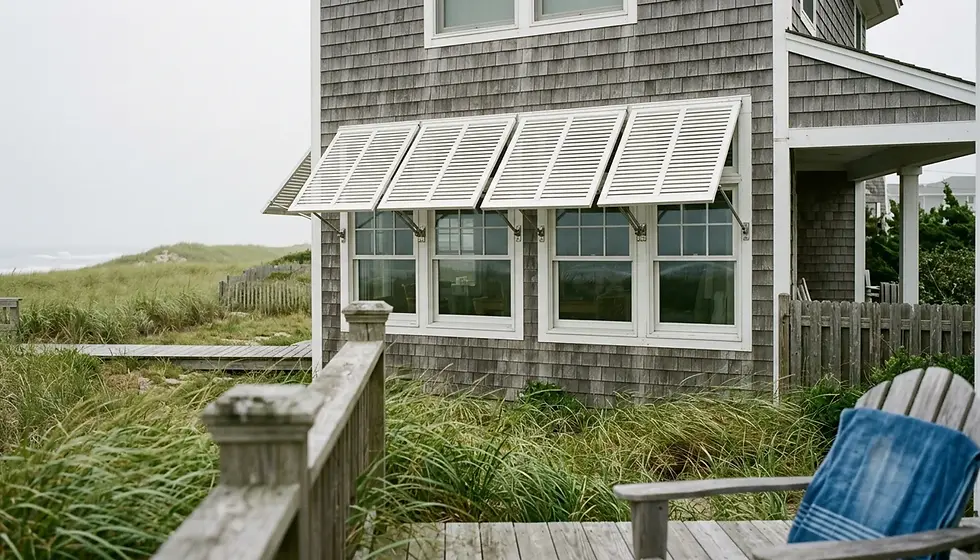
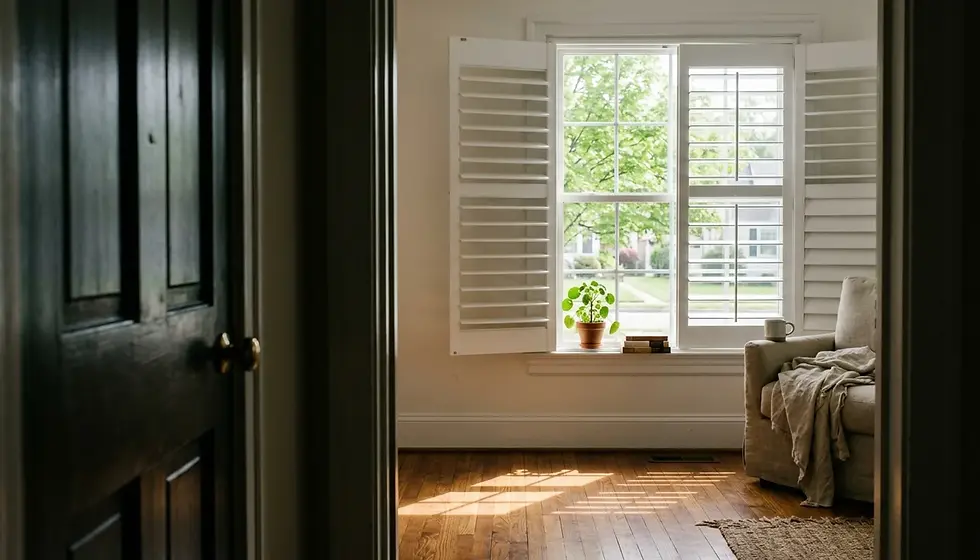
Comments