.avif)
.avif)
.avif)
Blinds vs Shutters for Windows: The Complete Coastal Home Cost Guide

Updated: Sep 18
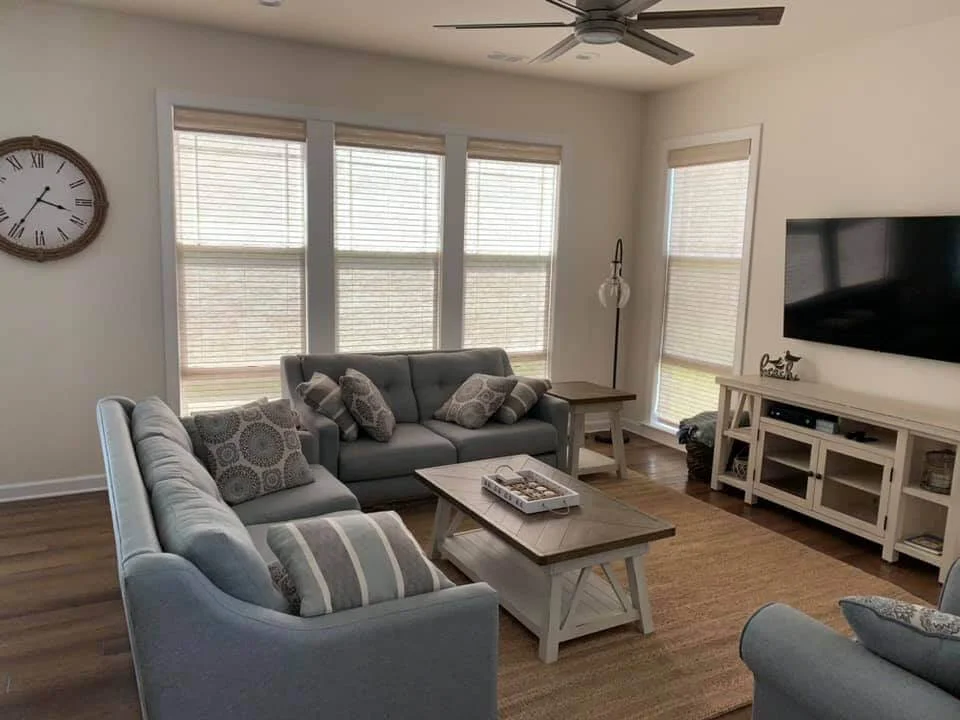
Blinds and shutters for windows in coastal homes present dramatically different long-term costs, with plantation shutters lasting 15-20+ years compared to 8-12 years for high-quality blinds in salt-air environments. While shutters require higher upfront investment, their superior moisture resistance and energy efficiency (R-values up to R-4) typically generate better returns for properties along the Delmarva Peninsula and similar coastal regions.
TL;DR: Coastal Window Treatment Comparison
Lifespan: Shutters last 15-20+ years in coastal conditions while blinds typically last 8-12 years
Initial Cost: Shutters start around $142-$815 per window vs. blinds at $50-$300 per window
Energy Savings: Shutters provide R-4 insulation value, reducing cooling costs by 15-25% in coastal homes
Material Performance: PVC and composite shutters resist salt air better than aluminum blinds which corrode within 2-3 years
Home Value: Shutters add permanent fixture value while blinds are considered personal property
Maintenance: Shutters require annual cleaning vs. quarterly replacement of blind slats in coastal environments
Coastal homeowners along Delaware and Maryland's Eastern Shore face unique challenges when selecting window treatments. Salt air accelerates corrosion in metal components, high humidity warps wooden elements, and intense sun exposure fades fabrics rapidly. At Home Blinds and Floors, we've observed aluminum blinds fail within two years in oceanfront properties, while properly selected shutters maintain functionality for decades. For more on top window treatments for Ocean City coastal homes, our guides cover region-specific advice.
The decision between blinds and shutters involves more than aesthetics. Understanding material performance in coastal climates, actual installation costs, and long-term maintenance requirements helps homeowners make informed investments that protect both their comfort and property values.
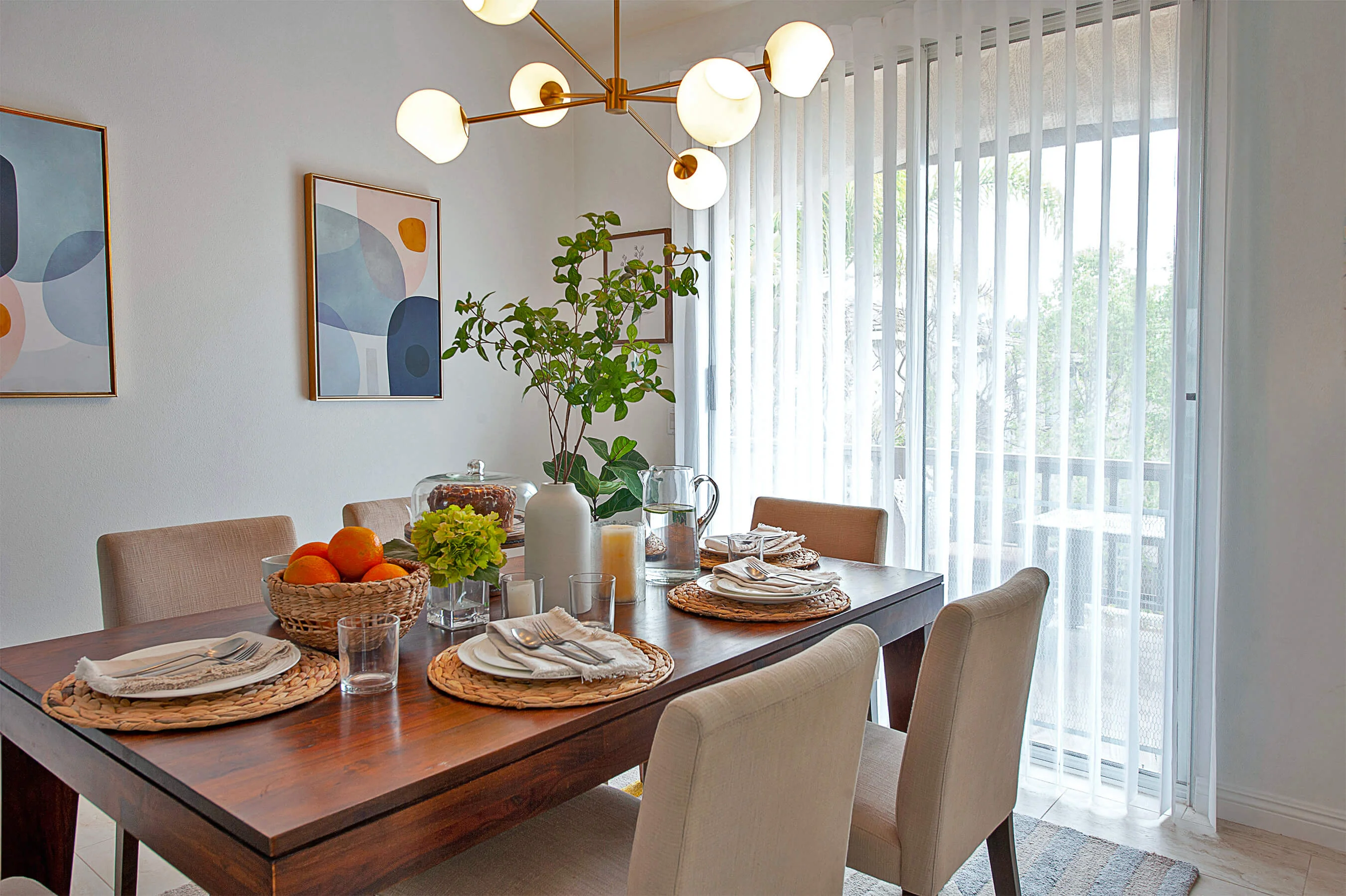
What Are the Real Costs of Blinds vs Shutters for Coastal Windows?
Standard window blinds range from $50-$300 per window depending on material and size. Custom window treatments at major retailers cost $80-$150 for a 36" x 48" window, while premium brands like Hunter Douglas range $200-$400 per window. However, these prices don't reflect coastal performance reality. Homeowners exploring Custom Blinds options will find a wide range of materials and price points suited to coastal conditions.
Custom shutters for Delmarva homes start higher but offer different value propositions. SelectBlinds' Hidden Tilt Poly Shutters cost $203 (50% off MSRP $407) with 4.1 ratings from 31 reviews. Classic Faux Wood Shutters from the same retailer run $234 (45% off MSRP $425) with 4.8 ratings from 221 reviews. Premium options like DirectBuyBlinds' Louvered Arched Poly Shutters reach $815 per opening. See our window shutter installation cost guide for Delmarva homeowners for a full breakdown. Homeowners comparing custom plantation shutters in Delmarva will find detailed pricing considerations in our dedicated guide.
Size Impact on Pricing
Window dimensions significantly affect costs for both options. A standard 36" x 48" opening costs substantially less than 72" x 84" sliding door coverage. Shutters show steeper size premiums because each panel requires custom manufacturing, while blinds use standardized components.
Coastal properties often feature oversized windows to maximize ocean views, pushing average costs higher. Three 60" x 72" windows with quality faux wood blinds total $900-$1,200. The same openings with composite shutters run $1,400-$2,400 installed. For ideas on covering large openings, explore best large window blinds ideas for homes on the Delmarva Peninsula. Homeowners with especially large or unusual openings can also browse Best Blinds For Large Windows Ideas For Delmarva Peninsula Homes for additional guidance. For treatment ideas on distinctive window shapes, see our Arched Window Treatments resources.
Installation Cost Differences
Blind installation typically adds $50-$100 per window for professional mounting. Shutters require precise measurement and custom fitting, adding $150-$300 per opening in installation charges. However, shutters often include installation in quoted prices while blinds may charge separately. Learn more about professional window treatment installation in Delmarva to understand what's included.
Window Treatment | Material Cost (36"x48") | Installation | Total Initial Cost |
Aluminum Blinds | $50-$80 | $50 | $100-$130 |
$80-$200 | $75 | $155-$275 | |
Premium Wood Blinds | $200-$400 | $100 | $300-$500 |
PVC Shutters | $180-$260 | $150 | $330-$410 |
Composite Shutters | $280-$450 | $200 | $480-$650 |
Premium Wood Shutters | $400-$800 | $250 | $650-$1,050 |
How Do Materials Perform in Coastal Environments?
Salt air creates unique challenges that standard comparisons don't address. Aluminum blinds, popular for their affordability, develop white corrosion spots within 18 months of coastal installation. The salt particles bond with aluminum surfaces, creating permanent staining that cleaning cannot remove.
Faux wood vs wood blinds perform better initially but suffer from different coastal problems. The PVC coating protects against moisture but can separate from core materials in high humidity cycles. We've seen slats warp and twist after two heating seasons in oceanfront properties. Our guide on wood blinds vs faux wood blinds for Delmarva homes explores these differences in greater detail. You can also compare options further with our Faux Wood Vs Vinyl Blinds guide for Delmarva homeowners.
Shutter Material Performance
PVC vinyl shutters excel in coastal applications because they're waterproof and virtually indestructible in humid climates. Blindsgalore emphasizes this advantage, noting that vinyl options resist both salt corrosion and humidity warping that plague other materials.
Composite shutters blend durability with appearance, using engineered materials that resist warping better than traditional wooden shutters. These products maintain dimensional stability in coastal humidity while offering wood-like aesthetics. Explore our Custom Shutters category for composite and PVC options suited to coastal conditions.
Real wood shutters require careful species selection for coastal use. Cedar and teak naturally resist moisture but need annual sealing to prevent salt damage. Many manufacturers void warranties for direct coastal exposure with wood products. For a comprehensive overview, see The Ultimate Guide To Plantation Shutters For Delmarva Homes. Homeowners seeking guidance specific to their community can also visit our Easton Window Shutters page or browse Delmarva Window Shutters resources for regional options.
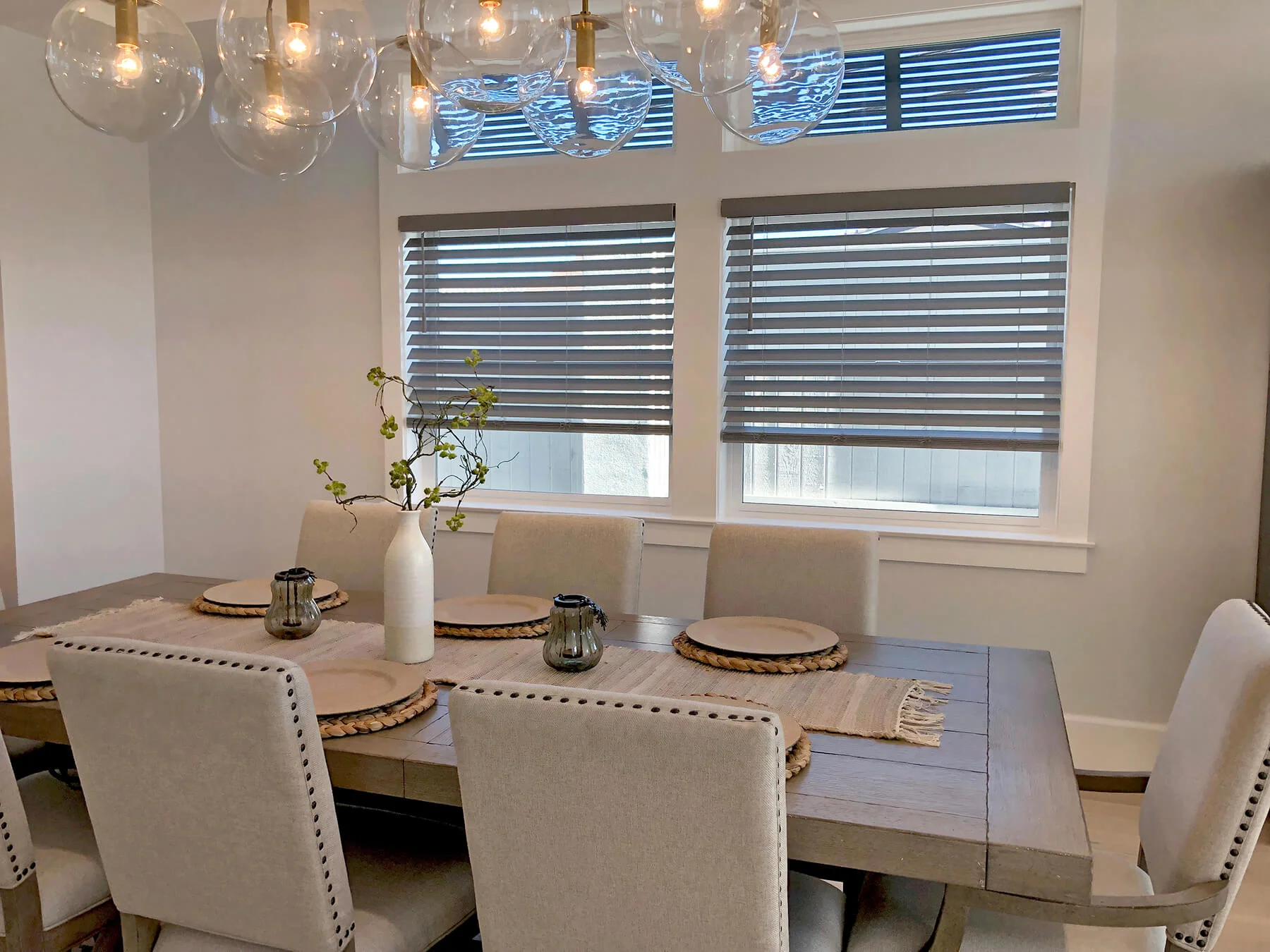
Hardware and Mechanism Durability
Blind operating mechanisms face constant salt air exposure. Tilt wands crack from UV exposure, while cord systems deteriorate from humidity. Replacement parts become necessary every 2-3 years in direct coastal exposure. Our guide on how to fix stuck blinds for Delmarva homeowners can help address common mechanism failures.
Shutter hardware uses different engineering approaches. Hidden tilt systems eliminate external mechanisms, while marine-grade hinges resist corrosion. Quality shutters use stainless steel or brass components that maintain smooth operation for decades.
What Are the Energy Efficiency Differences for Coastal Homes?
Coastal properties face intense solar gain from water reflection and unobstructed sun exposure. This creates higher cooling loads than inland homes experience. Cellular shades become critical for energy management.
Shutters provide R-values up to R-4 when closed, creating significant insulation barriers. The air space between louvers and window glass acts as thermal buffer, reducing heat transfer by 30-40% compared to bare windows. Coastal homes with quality shutters report cooling cost reductions of 15-25%. See best window coverings to keep heat out of your Delmarva home for energy-saving strategies. For more on maximizing thermal performance, review The Ultimate Guide To Energy Efficient Shades For Delmarva Homes. Homeowners looking for additional insulation options can also explore Best Insulating Blinds For Delmarva Peninsula Homes.
Blinds offer less thermal performance because of air gaps around slats. Even tightly closed horizontal blinds allow air circulation that reduces insulation value. Single cell vs double cell shades perform better but lack the structural durability needed for coastal conditions. Homeowners wanting to compare insulation performance in more depth can also read our guide on Best Insulating Window Shades For Delmarva Homes To Save Energy. For a broader look at energy-efficient options, our guide to energy efficient window treatments for Delmarva homes covers the full range of solutions. Homeowners can also explore Best Ways To Block Heat From Windows In A Delmarva Home for targeted heat-blocking strategies.
Light Control Performance
Coastal properties need flexible light management for ocean views while controlling glare. Shutters with 3.5" or 4.5" louvers provide clearer sight lines when open compared to standard 2.5" options. Larger louvers also improve air circulation for natural cooling.
Blind slat angles become critical for coastal glare control. However, frequent adjustments accelerate wear on operating mechanisms. Shutters allow independent top and bottom control through divider rails, optimizing both views and privacy. Our Outdoor View Enhancements resources offer additional strategies for balancing light and views in coastal homes.
How Do Long-Term Maintenance Costs Compare?
Maintenance frequency differs dramatically between blinds and shutters in coastal environments. Standard blinds require slat replacement every 18-24 months due to salt damage and UV degradation. At $30-$50 per replacement set, this adds $120-$200 over a typical blind's 8-year lifespan.
Shutters need annual cleaning and occasional hardware lubrication. Professional shutter cleaning costs $75-$125 per room but maintains like-new appearance and function. Over a 20-year lifespan, maintenance totals $1,500-$2,500 compared to $3,000-$4,000 in blind replacements. Our guide to cleaning plantation shutters for Delmarva homeowners provides a step-by-step maintenance routine.
Cleaning Requirements
Coastal environments deposit salt residue on all surfaces. Blinds require weekly cleaning to prevent buildup that stains slats permanently. The narrow slats and numerous components make thorough cleaning time-intensive. Our resource on how to clean your blinds in Delmarva outlines the most effective methods for coastal homes. For a broader overview of keeping window treatments spotless, see Cleaning Blinds Made Easy: A Delmarva Homeowner's Guide. Homeowners looking for general blind cleaning tips can also visit How To Clean Blinds Easy Tips For Sparkling Windows.
Shutters clean easily with damp cloths because of their larger surfaces and accessible angles. Salt residue wipes away without staining on quality PVC or composite materials. Professional cleaning restores original appearance annually.
Repair and Replacement Patterns
Blind repairs typically involve replacing individual slats, cords, or tilt mechanisms. Parts availability varies by brand and age, making older blind repair expensive or impossible. Most coastal homeowners replace entire blind sets rather than attempting repairs.
Shutter repairs usually focus on hardware adjustment or occasional louver replacement. The modular construction allows component-level repairs without full replacement. Quality manufacturers maintain parts availability for 15-20 years. For homeowners weighing repair versus full replacement, our guide on blinds repair vs replace provides a thorough cost breakdown.
Which Option Adds More Value to Coastal Properties?
Home appraisers treat shutters as permanent fixtures that add measurable value to properties. This classification means shutters contribute to home equity while blinds are considered personal property with no appraisal value.
Coastal real estate markets particularly value storm protection features. Quality shutters provide hurricane preparation benefits that blinds cannot match. Properties with full shutter installations often qualify for insurance discounts in coastal zones. Read why plantation shutters are the smartest upgrade for your Delmarva home for a deeper look at property value impacts. Homeowners in specific markets can also explore local resources such as Why Plantation Shutters Near Me Are A Smart Investment For Your Delmarva Home.
Buyer Preferences in Coastal Markets
Coastal home buyers expect window treatments that complement architectural styles and withstand environmental conditions. Plantation shutters align with traditional coastal aesthetics while providing practical benefits buyers recognize. Homeowners interested in the full range of shutter styles can explore Different Styles Of Plantation Shutters: A Delmarva Homeowner's Guide. For guidance on pairing shutters with other window treatments, see our guide to plantation shutters with curtains. Homeowners curious about combining shutters with other treatments can also read Curtains and Plantation Shutters: 10 Things Nobody Tells You.
Blinds may appear outdated or insufficient for coastal conditions in higher-end markets. Properties with quality shutter installations often sell faster and command premium pricing compared to similar homes with standard blinds. See best ways to stage a home for a fast sale in Delmarva for tips on maximizing appeal.
Insurance and Storm Preparation Benefits
Some coastal insurance providers offer discounts for homes with storm-rated shutters. While decorative shutters don't provide hurricane protection, they demonstrate homeowner attention to coastal preparation that insurers value.
Functional storm shutters combine daily use with emergency protection, maximizing value from single installations. These systems cost more initially but eliminate needs for separate storm protection. For a broader look at shutter types and their benefits, explore Types of House Shutters: Every Style and Material Explained. Homeowners can also review our dedicated resource on Exterior Bahama Window Shutters: The Complete Buyer's Guide for storm-ready exterior options.
What Installation Challenges Are Specific to Coastal Homes?
Coastal properties often feature unique architectural elements that complicate window treatment installation. Salt air corrosion affects existing hardware, while irregular window shapes from settling or renovation create measurement challenges.
Inside mount installations require windows deep enough without obstructions like crank handles or weather stripping. Coastal homes frequently have these obstacles from storm preparation modifications. Outside mounts work better but need proper sealing against moisture infiltration. Our expert guide to window treatments installation in Delmarva covers both mount types in detail.
Window Condition Assessment
Existing window frames may show salt corrosion or settling damage that affects installation options. Professional assessment identifies structural issues before treatment selection. Some coastal windows need frame restoration before quality installations.
At Home Blinds and Floors, our in-home consultations include detailed window condition evaluations. We identify potential installation challenges and recommend appropriate solutions before final selections. We serve many communities, including Ocean City, Rehoboth Beach, and Bethany Beach.
Measurement Precision Requirements
Shutters require precise measurements because each panel is custom manufactured. Coastal home settling can create non-square openings that standard measurements don't capture. Professional measurement includes checking for square and plumb conditions. Use our guide on how to measure shutters for Delmarva homeowners for detailed steps. You can also reference our broader resource on How To Measure Windows For Shutters for step-by-step instructions.
Blind installations are more forgiving of measurement variations because of adjustable brackets and standardized components. However, poor measurements still affect appearance and function in coastal installations. For general measurement guidance, see How To Measure Windows For Blinds For A Perfect Fit.
How Do Smart Home Features Compare Between Options?
Motorized window treatments offer convenience benefits for hard-to-reach coastal windows, but technology integration differs significantly between blinds and shutters. Smart blinds use battery or hardwired motors that must withstand humidity and salt exposure.
Motorized shutters require more robust systems because of panel weight and wind resistance. However, the sealed construction protects electronic components better than exposed blind mechanisms. Learn more in our guide to motorized blinds for your Delmarva home. Homeowners curious about whether the investment is worthwhile can also read Are Motorized Blinds Worth It For Your Home.
Technology Durability in Coastal Conditions
Electronic components face accelerated aging in salt air environments. Motorized blind systems often require replacement within 5-7 years compared to 10-15 years inland. Warranty coverage may exclude coastal installations.
Shutter motorization uses marine-grade components when properly specified for coastal use. The enclosed design protects motors and controls from direct salt exposure, extending operational life. For a complete DIY installation overview, see Motorized Blinds Diy Complete Installation Guide.
Smart Home Integration Options
Both blinds and shutters offer smart home compatibility through various control systems. Voice control, smartphone apps, and automation scheduling work with quality products from both categories.
Integration complexity varies by existing smart home systems and desired functionality levels. Professional consultation helps match appropriate technology to specific coastal conditions and homeowner preferences.
What Are the Best Options by Room Type in Coastal Homes?
Different rooms in coastal homes face varying environmental challenges that affect optimal window treatment selection. Oceanfront bedrooms need blackout capabilities while maintaining storm resistance. Kitchen windows require easy cleaning and moisture resistance.
Living areas with large windows benefit from shutters' structural stability and light control flexibility. The ability to adjust top and bottom louvers independently optimizes ocean views while managing glare. Browse top blinds for living room ideas in Delmarva Peninsula homes for style inspiration. For large living room windows specifically, explore Top Large Window Blind Ideas For Homes In The Delmarva Peninsula.
Bathroom and High-Humidity Areas
Coastal bathrooms face extreme humidity conditions that exceed typical residential environments. PVC shutters excel in these applications because they're completely waterproof and won't warp or stain.
Faux wood blinds may work initially but often show warping within 12-18 months in high-humidity coastal bathrooms. Aluminum blinds resist warping but develop corrosion spots from constant moisture exposure. Our stylish bathroom window treatment ideas highlight moisture-resistant choices for coastal properties. For homeowners considering faux wood options, our comparison of Wood Vs Faux Wood Blinds A Guide For Delmarva Homeowners offers helpful detail.
Bedrooms and Privacy-Critical Areas
Coastal bedrooms often face east or west with intense morning or evening sun. Shutters provide better light control than blinds because of tighter closure and elimination of cord holes that allow light leakage.
Sound control matters in coastal locations with wind and wave noise. Shutters' solid construction reduces outside noise better than blinds' slat construction that allows sound transmission. See the best blinds for bedrooms in your Delmarva home for options that balance light control and privacy. For blackout options specifically suited to coastal bedrooms, explore Best Blackout Window Treatments For Delmarva Peninsula Homes. Homeowners comparing light management options can also read our guide on Blackout Shades Vs Light Filtering A Guide For Delmarva Homeowners.
Kitchen and High-Activity Areas
Coastal kitchens accumulate salt residue and cooking moisture that affects window treatments differently. Shutters clean easily with standard household cleaners while blind slats require individual attention.
Durability becomes critical in high-use areas where window treatments face frequent operation. Shutter hardware withstands repeated use better than blind mechanisms that wear from frequent adjustments. Explore best modern window treatments for Delmarva kitchens for recommendations on durable, easy-care options. Homeowners wanting additional kitchen ideas can also browse Custom Window Treatments For Modern Kitchens In Delmarva.
What Common Mistakes Should Coastal Homeowners Avoid?
Many coastal homeowners choose window treatments based on inland performance data that doesn't reflect their environment's unique challenges. Standard warranty periods don't account for accelerated aging from salt exposure.
Underestimating maintenance requirements leads to premature failure of both blinds and shutters. Coastal installations need proactive care schedules that exceed manufacturer recommendations. Our top low maintenance blinds for homes in the Delmarva Peninsula guide highlights products engineered for easier upkeep.
Material Selection Errors
Selecting aluminum blinds for coastal properties almost guarantees replacement within two years. The initial cost savings disappear quickly when corrosion damage requires full replacement.
Choosing wood shutters without proper species selection or finish protection creates maintenance nightmares. Many coastal installations fail because of inadequate material preparation for salt air exposure. Our comparison of plantation shutters vs blinds for Delmarva homeowners can help clarify the right choice for your situation. You can also review Plantation Shutters Versus Blinds: Which Is Best For You for a side-by-side comparison. For a broader look at interior shutter types, our guide to 8 Best Types Of Interior Window Shutters For Delmarva Homes covers all available options. Homeowners can also learn about 7 Common Types Of Interior Shutters To Know In 2025 for a broader perspective on shutter styles. For a detailed look at how shutters compare to other treatments, see Shutter Blinds for Windows: Everything You Need to Know. Homeowners considering plantation shutter windows can find comprehensive guidance in our dedicated Delmarva homeowner's guide.
Installation Timing Mistakes
Installing window treatments during high humidity seasons can affect initial performance. Spring and fall installations allow proper acclimation before extreme summer or winter conditions.
Rushing installations without proper window preparation leads to premature failure. Addressing existing frame issues before treatment installation prevents problems later.
Maintenance Planning Oversights
Failing to establish regular cleaning schedules allows salt buildup that damages both blinds and shutters. Weekly cleaning during high-exposure seasons prevents most corrosion and staining issues.
Ignoring early signs of hardware wear leads to expensive emergency replacements. Annual professional inspections identify developing problems before they require major repairs. Review our guide to cleaning shutters for your Delmarva home to build an effective maintenance routine.
How Should Coastal Homeowners Make the Decision?
The choice between blinds and shutters for coastal windows depends on budget priorities, maintenance preferences, and long-term property goals. Homeowners planning to stay long-term benefit more from shutter investments, while shorter-term residents may prefer blind flexibility.
Calculate total ownership costs including replacement cycles and maintenance requirements. Shutters cost more initially but often provide better value over 15-20 year periods in coastal conditions. Our complete guide to choosing blinds, shades, and shutters in Delmarva walks through each factor in depth. For a current buyer's perspective, see The Best Blinds For Your Delmarva Home: A 2025 Buyer's Guide.
Budget Planning Strategies
Phase installations by prioritizing high-exposure windows first. Oceanfront windows need immediate protection while interior-facing windows can wait for budget availability.
Consider financing options for shutter installations that spread costs over time while providing immediate benefits. Many installers offer payment plans that make premium options accessible. Our guide on how much custom blinds cost on the Delmarva Peninsula provides realistic budget benchmarks. Homeowners looking for ways to balance style and savings can also explore Budget Cellular Shades: Your Guide To Style And Savings In Delmarva. Those interested in custom shades that balance cost and performance can also browse our Custom Shades resources.
Professional Consultation Benefits
Working with local professionals who understand coastal conditions prevents expensive mistakes. Generic advice from inland installers often doesn't account for salt air challenges. Find a specialist near you by exploring our service locations across the region. Homeowners in specific communities can also explore dedicated resources, such as Custom Window Treatments For Rehoboth Beach Homes or Custom Window Treatments For Kent Island Homes. For homeowners on the Eastern Shore, our Eastern Shore Window Shutters page provides region-specific guidance. You can also explore our Top Custom Window Treatments For Homes In Lewes De for community-specific inspiration.
Professional measurement and installation ensure optimal performance from either blinds or shutters. Poor installation undermines even quality products' coastal performance.
Frequently Asked Questions
Do shutters really last longer than blinds in coastal areas?
Yes, quality shutters typically last 15-20+ years in coastal conditions while blinds last 8-12 years. PVC and composite shutters resist salt air corrosion better than blind components, especially aluminum parts that show visible damage within 18 months.
What's the actual cost difference for an average coastal home?
For a typical 3-bedroom coastal home with 12 windows, quality blinds cost $1,800-$3,600 initially plus $2,400-$3,200 in replacements over 20 years. Shutters cost $4,800-$7,800 initially but need minimal replacement, making long-term costs similar. Our resource on understanding shutter installation costs in Delmarva provides additional detail.
Can I install shutters myself to save money?
Shutter installation requires precise measurement and fitting that DIY attempts often compromise. Professional installation ensures proper operation and warranty coverage, which is critical for coastal performance and insurance considerations. Read our Delmarva homeowner's guide to DIY interior shutters to understand when professional help is worth the cost.
Do shutters provide storm protection for coastal homes?
Decorative interior shutters don't provide hurricane protection, but some exterior shutters combine daily use with storm preparation. Check local building codes and insurance requirements for acceptable storm protection options. For a deeper look at shutter options, see A Homeowner's Guide To Window Shutters In The Delmarva Peninsula.
Which option works better with smart home systems?
Both blinds and shutters offer motorized smart home options, but shutter systems typically last longer in coastal conditions because enclosed motors are protected from salt exposure. Battery life and wireless reliability favor shutters in coastal installations.
How often do coastal window treatments need professional maintenance?
Shutters benefit from annual professional cleaning and hardware inspection, while blinds typically need complete replacement every 8-12 years. Regular DIY cleaning extends both options' lifespans significantly in salt air environments.
Do shutters qualify for any insurance discounts?
Some coastal insurance providers offer discounts for homes with storm-rated exterior shutters. Interior decorative shutters don't typically qualify, but they may contribute to overall home protection assessments during insurance evaluations. For a complete overview of shutter styles and their features, explore Top 7 Types Of Indoor Shutters For Your Delmarva Home.
Conclusion
Blinds and shutters for windows in coastal homes require careful evaluation of upfront costs versus long-term value. While shutters demand higher initial investment, their superior durability, energy efficiency, and home value contribution often justify the expense for permanent coastal residents. Blinds remain viable for budget-conscious homeowners or shorter-term occupancy, but replacement cycles and maintenance costs accumulate over time.
Coastal conditions accelerate normal wear patterns, making material selection critical for both options. PVC and composite shutters consistently outperform aluminum blinds in salt air environments, while proper installation and maintenance extend any treatment's lifespan significantly. For expert advice tailored to your coastal home's specific needs, check out our Reviews to see how we've helped other homeowners. Homeowners across the region, from Ocean City to Lewes and Rehoboth Beach, can explore our local service pages for community-specific guidance. You can also browse our full range of products to find the ideal solution for your coastal windows.
Making the right choice for your coastal property requires understanding both immediate needs and long-term goals. Explore shades and other sliding door treatments that complement your selection. Contact Home Blinds and Floors for a comprehensive consultation that evaluates your specific windows, environmental exposure, and budget requirements to recommend the optimal solution for your Delmarva Peninsula home.
Comments