.avif)
.avif)
.avif)
Faux Wood vs Vinyl Blinds: Which Blinds Work Best for Delmarva Homes

Updated: Sep 4
Faux wood blinds offer superior moisture resistance and consistent appearance in Delmarva's coastal climate, while vinyl blinds provide the most budget-friendly option for basic light control needs. The key difference lies in durability and aesthetics: faux wood maintains its wood-like appearance for 8-12 years in salt air environments, whereas vinyl blinds may warp or discolor within 3-5 years but cost 40-60% less initially.
TL;DR
Material Performance: Faux wood resists humidity and salt air better than vinyl, maintaining structural integrity in coastal conditions
Cost Difference: Vinyl blinds cost $15-35 per window vs $35-75 for faux wood, but replacement frequency affects long-term value
Aesthetic Impact: Faux wood provides realistic wood grain patterns while vinyl offers solid colors with limited texture options
Installation Considerations: Both materials work with standard mounting hardware, but faux wood requires sturdier brackets due to weight
Best Applications: Choose faux wood for main living areas and bedrooms, vinyl for utility rooms and temporary solutions
Introduction
Choosing between faux wood and vinyl blinds becomes particularly crucial for Delmarva Peninsula homeowners who face unique coastal challenges. Salt air, humidity fluctuations, and intense UV exposure from ocean reflections create conditions that quickly reveal the differences between window treatment materials.
At Home Blinds and Floors, we've guided hundreds of coastal property owners through this decision over our years serving Delaware and Maryland's Eastern Shore. The choice affects not just your immediate budget but long-term maintenance costs and aesthetic satisfaction. Understanding how each material performs in Rehoboth Beach, Ocean City, and surrounding communities helps ensure your investment delivers lasting value. For a broader look at all your options, see our guide on Faux Wood Vs Vinyl Blinds A Delmarva Homeowner S Guide.
This comprehensive comparison examines durability, cost implications, installation requirements, and specific performance factors that matter most in coastal environments. By the end, you'll know exactly which blind type suits your home's needs and budget.
What Makes Faux Wood Different from Vinyl Blinds?
Faux wood blinds combine a high-density polyfoam core with vinyl coating, creating a composite material that mimics real wood's appearance while resisting moisture damage. The manufacturing process involves molding the foam core with realistic wood grain patterns, then applying a durable vinyl finish that won't crack or peel under normal coastal conditions.
Vinyl blinds use solid PVC construction throughout, making them completely waterproof but limiting design options to smooth surfaces and solid colors. The single-material construction keeps costs low but sacrifices the dimensional appearance that makes faux wood appealing to homeowners seeking traditional aesthetics. You can also compare these options with our article on Vinyl Blinds Vs Aluminum Blinds Best Choice For Your Home to understand the full spectrum of blind materials available. Homeowners who want to explore even more options may also find our guide on Vinyl Vs Aluminum Blinds Which Window Treatment Wins useful when comparing materials side by side.
Weight differences significantly impact installation requirements. Faux wood blinds typically weigh 30-50% more than equivalent vinyl blinds, requiring reinforced mounting brackets and occasionally additional support brackets for windows wider than 48 inches.
Core Material Composition
The polyfoam core in faux wood blinds provides insulation properties that vinyl lacks, helping maintain more consistent indoor temperatures. This thermal advantage becomes particularly valuable in beach houses where large windows face direct ocean exposure.
Vinyl's solid construction offers complete moisture impermeability, making it ideal for high-humidity areas like bathrooms and kitchens. However, this same density makes vinyl more prone to thermal expansion and contraction, potentially causing warping in windows with significant temperature fluctuations.
How Do Faux Wood and Vinyl Perform in Coastal Conditions?
Salt air exposure reveals the most significant performance differences between these materials. Faux wood's vinyl coating provides excellent corrosion resistance, while the foam core remains dimensionally stable even during humidity spikes common in Delmarva summers.
Vinyl blinds handle salt exposure well initially but become brittle over time when subjected to repeated thermal cycling. The material's tendency to expand and contract with temperature changes can stress mounting points, leading to operational issues after 18-24 months in direct ocean-facing windows.
UV resistance varies considerably between manufacturers, but high-quality faux wood typically maintains color stability for 6-8 years in direct sunlight, while vinyl may show fading or discoloration within 2-3 years without UV inhibitors.
Humidity Response Patterns
Delmarva's seasonal humidity swings from winter lows around 45% to summer peaks exceeding 80% test both materials differently. Faux wood's composite construction handles these fluctuations with minimal dimensional change, maintaining smooth operation throughout the year.
Vinyl blinds may stick or bind during high humidity periods as the material slightly expands, then operate loosely when humidity drops. This cycling effect gradually loosens cord mechanisms and tilt controls, reducing operational lifespan compared to more stable faux wood construction.
What Are the True Cost Differences Over Time?
Initial purchase costs favor vinyl blinds significantly, with basic 2-inch slat vinyl blinds ranging from $15-25 per standard window compared to $35-55 for comparable faux wood options. However, replacement frequency dramatically affects long-term economics.
Professional installation adds $25-40 per window regardless of material, but faux wood's additional weight may require reinforced mounting hardware costing an extra $10-15 per installation. The investment becomes worthwhile when considering replacement intervals.
Quality faux wood blinds typically last 8-12 years in coastal environments before requiring replacement, while vinyl blinds average 4-6 years before warping, discoloration, or mechanical failure necessitates replacement. Over a 12-year period, the cost difference narrows considerably. For more on choosing the right blinds for your budget and home, see our guide on How To Choose Window Blinds A Delmarva Homeowner S Guide.
Hidden Maintenance Costs
Vinyl blinds require more frequent adjustment of cord tensions and tilt mechanisms due to thermal expansion effects. Professional service calls for operational repairs average $45-65 per visit, with vinyl blinds typically needing attention twice as often as faux wood alternatives.
Cleaning costs remain minimal for both materials, though faux wood's textured surface may retain dust slightly longer than smooth vinyl. Both materials clean effectively with standard household products without special treatments. You can find step-by-step cleaning advice in our guide on How To Clean Your Blinds In Delmarva A Homeowner S Guide.
Which Blind Type Works Better for Specific Delmarva Applications?
Room-specific recommendations depend on exposure conditions, aesthetic goals, and usage patterns. Main living areas with ocean views benefit most from faux wood's superior appearance and durability, while vinyl serves adequately in secondary spaces with less demanding conditions.
Bedrooms facing east or south experience the most challenging UV exposure, making faux wood's color stability worth the additional investment. The realistic wood appearance also complements traditional coastal architecture common in Rehoboth Beach and Ocean City neighborhoods. For bedroom-specific ideas, explore The Best Blinds For Bedrooms In Your Delmarva Home.
Kitchens and bathrooms present moisture challenges that both materials handle, but vinyl's complete waterproof construction provides peace of mind in areas with cooking steam or shower humidity. The smooth surface also resists grease accumulation better than textured faux wood. For kitchen-specific options, see our article on Best Modern Window Treatments For Delmarva Kitchens. If you are also exploring Stylish Bathroom Window Treatment Ideas To Elevate Your Space, faux wood can still work well with the right moisture barrier.
Window Size Considerations
Large windows over 60 inches wide favor vinyl blinds due to weight limitations. Faux wood blinds in these applications may require additional support brackets and specialized mounting hardware, increasing installation complexity and cost. For large window ideas, see Best Blinds For Large Windows Ideas For Delmarva Peninsula Homes.
Standard residential windows up to 48 inches wide work equally well with either material from a structural standpoint, allowing personal preference and budget considerations to drive the decision. For comprehensive guidance on Custom Window Treatments and treatments, consider your specific room requirements and usage patterns. You may also want to explore Faux Wood Vs Wood Blinds A Guide For Delmarva Homes when comparing natural and synthetic material options.
Application | Faux Wood Advantage | Vinyl Advantage | Recommendation |
Living Room | Aesthetic appeal, durability | Lower cost | Faux Wood |
Bedroom | Insulation, appearance | Budget-friendly | Faux Wood |
Kitchen | Easy cleaning | Waterproof, grease-resistant | Vinyl |
Bathroom | Style consistency | Complete moisture protection | Vinyl |
Rental Property | Longevity, guest appeal | Replacement cost | Depends on rental tier |
What Professional Installation Factors Should Delmarva Homeowners Consider?
Professional installation becomes particularly important for coastal properties where mounting hardware must resist corrosion and handle potential wind loads. At Home Blinds and Floors, we use marine-grade mounting brackets and stainless steel hardware specifically chosen for salt air environments.
Faux wood installations require precise measurements due to limited adjustability once mounted. The material's weight demands secure attachment points, often requiring wall anchors rated for 50% more load than the blind's actual weight to account for wind stress. For professional help in your area, see our Professional Window Treatment Installation In Delmarva resource.
Vinyl blind installation offers more flexibility for minor measurement discrepancies, and the lighter weight simplifies mounting requirements. However, proper bracket alignment remains crucial for smooth operation, especially in wide windows where sagging becomes problematic. Homeowners who want to get measurements right before installation can also refer to our guide on How To Measure For Blinds Your Expert Installation Guide to ensure a perfect fit every time.
Professional blind installation
Coastal-Specific Installation Requirements
Ocean-facing windows require specialized mounting techniques to handle wind loads and salt spray exposure. Both faux wood and vinyl blinds benefit from recessed mounting where possible, providing better protection from weather infiltration.
Window frame conditions significantly affect installation success. Older coastal homes may have settling or minor warping that requires custom fitting, an area where professional expertise prevents costly mistakes and ensures proper operation. Our guide on Your Expert Guide To Window Treatments Installation In Delmarva covers these details thoroughly. If you prefer a no-drill approach, our article on Drill Free Window Blinds Damage Free Installation For Delmarva Homes offers useful alternatives.
Deep-Dive Analysis: Why Material Choice Matters More in Coastal Environments
The Delmarva Peninsula's unique microclimate creates challenges that mainland homeowners rarely face. Constant salt exposure accelerates deterioration of inferior materials, while the combination of ocean humidity and intense reflected sunlight tests UV stability beyond typical residential applications.
Our experience installing thousands of blinds across Rehoboth Beach, Bethany Beach, and Ocean City has revealed specific failure patterns that mainland data doesn't capture. Vinyl blinds in oceanfront properties show stress cracking along fold lines within 18 months, while the same blinds last 3-4 years in inland Delaware locations.
Faux wood's composite construction handles thermal cycling better than solid vinyl, maintaining smooth operation through repeated heating and cooling cycles that occur daily in beach environments. The foam core provides thermal mass that reduces rapid temperature changes, extending mechanical component life. For more on energy performance, see our article on Best Insulating Blinds For Delmarva Peninsula Homes.
The Salt Air Factor
Salt crystallization occurs when moisture evaporates from window treatments, leaving mineral deposits that gradually accumulate in moving parts. Vinyl blinds' simpler construction has fewer crevices for salt buildup, but when deposits do form, they're more likely to cause binding in the denser material.
Faux wood's textured surface actually helps distribute salt deposits more evenly, preventing concentration points that cause operational problems. Regular cleaning becomes more effective with faux wood because the vinyl coating releases salt residue more readily than raw PVC surfaces. You can keep both materials in top shape by following our tips on Cleaning Blinds Made Easy A Delmarva Homeowner S Guide. For a deeper clean, our guide on How To Wash Window Blinds A Delmarva Homeowner S Guide walks through thorough washing methods that work especially well after heavy salt air exposure.
Long-Term Performance Data
Tracking blind performance across our Delmarva service area over the past decade reveals clear patterns. Premium faux wood blinds maintain 90% of original functionality after five years in coastal installations, while vinyl blinds drop to 70% functionality over the same period.
Color retention follows similar trends. High-end faux wood maintains original color accuracy within 10% after five years of ocean exposure, while vinyl products without UV inhibitors show 20-30% color shift, particularly toward yellow or gray tones. For a comprehensive comparison of faux wood and wood options, see Wood Blinds Vs Faux Wood Blinds A Guide For Delmarva Homes. You may also find our article on Wooden Blinds Vs Faux Wood Blinds A Guide For Delmarva Homes helpful when weighing your final material choice.
How to Choose the Right Material for Your Delmarva Home
Start by evaluating your property's specific exposure conditions. Homes within 500 yards of the ocean face the most aggressive salt air exposure, making faux wood's superior durability worth the investment. Properties further inland can often use vinyl blinds successfully with proper maintenance.
Consider your decoration timeline and budget cycle. If you redecorate every 3-5 years and enjoy changing window treatments as part of the refresh, vinyl blinds' lower initial cost supports more frequent updates. For permanent installations intended to last a decade or more, faux wood provides better value. You can explore the full range of styles through our Custom Styles Of Blinds For Homes In The Delmarva Peninsula guide. Homeowners seeking inspiration beyond blinds can also browse our Custom Shades resources for alternative window treatment ideas.
Room priority also influences material selection. Focus faux wood investments on highly visible areas where guests spend time, such as living rooms and master bedrooms. Vinyl works adequately for secondary bedrooms, laundry rooms, and other utility spaces. For living room inspiration, browse Top Blinds For Living Room Ideas In Delmarva Peninsula Homes.
Budget Planning Strategies
Phased installation allows mixing materials strategically. Install faux wood in priority rooms first, then complete secondary areas with vinyl as budget allows. This approach maximizes visual impact while managing costs.
Consider seasonal timing for installations. Fall and winter installations often receive better pricing as contractors prepare for slower months, and spring installation ensures blinds are ready for peak sun exposure season. Homeowners near the coast, such as those looking for Rehoboth Beach Window Blinds or Ocean City Window Blinds, should plan installations before peak summer humidity arrives. Those exploring sliding door treatments alongside blind selections may also benefit from our Patio Door Solutions category for coordinated window covering ideas.
Professional Consultation Benefits
Material selection becomes more complex when considering window orientation, room usage, and architectural style. Professional consultation helps identify specific requirements you might overlook, such as UV exposure patterns or wind load considerations.
At Home Blinds and Floors, we assess each window's unique conditions during in-home consultations, recommending material choices based on actual exposure conditions rather than generic guidelines. This individualized approach prevents costly mistakes and ensures optimal performance. To learn more about working with a local expert, see Why Blinds And Shutters Near Me In Delmarva Means Choosing A Local Expert. Homeowners throughout the region, from those searching for Easton Window Blinds to those exploring Lewes Window Blinds, benefit from local expertise that accounts for each area's specific coastal conditions.
Frequently Asked Questions
Do faux wood blinds warp in humid coastal environments like real wood?
No, quality faux wood blinds resist warping because their polyfoam core maintains dimensional stability in high humidity. The vinyl coating prevents moisture absorption that causes warping in real wood blinds. However, low-quality faux wood with insufficient moisture barriers may show slight warping after several years in extreme coastal conditions.
How much more do faux wood blinds cost compared to vinyl for a typical Delmarva home?
Faux wood blinds typically cost 60-80% more initially than vinyl blinds, averaging $35-75 per window versus $15-35 for vinyl. However, faux wood's longer lifespan often makes it more economical over 8-10 years when factoring in replacement costs and professional installation fees. For more detailed pricing, see our guide on How Much Do Custom Blinds Cost On The Delmarva Peninsula.
Can vinyl blinds handle salt air exposure without deteriorating quickly?
High-quality vinyl blinds with UV inhibitors can handle salt air reasonably well for 3-5 years. However, they become brittle over time and may develop stress cracks, especially in windows with significant temperature fluctuations. Regular cleaning helps extend their lifespan in coastal environments. Learn proper care techniques in our Best Way To Clean Faux Wood Blinds For Delmarva Homes.
Which blind type works better for large oceanfront windows?
For windows over 60 inches wide, vinyl blinds often work better due to weight limitations. Faux wood becomes heavy and may require additional support brackets that complicate installation. However, for maximum durability in harsh ocean conditions, high-quality faux wood with proper support is worth the investment. See our guide for Best Large Window Blinds Ideas For Homes On The Delmarva Peninsula.
Do both materials require special mounting hardware for coastal installations?
Yes, coastal installations benefit from stainless steel or coated mounting hardware to resist corrosion from salt air. Both faux wood and vinyl blinds perform better when installed with marine-grade brackets, though faux wood requires more robust mounting due to its additional weight.
How often do faux wood and vinyl blinds need replacement in Delmarva homes?
In typical coastal conditions, quality faux wood blinds last 8-12 years before requiring replacement, while vinyl blinds average 4-6 years. Oceanfront properties with direct salt spray exposure may see shorter lifespans: 6-8 years for faux wood and 3-4 years for vinyl. For low-maintenance options, see our article on Top Low Maintenance Blinds For Homes In The Delmarva Peninsula. You can also review tips on Cordless Faux Wood Blinds The 3 Year Failure Point 2026 Brand Guide to avoid common durability pitfalls.
Which material offers better insulation for energy efficiency?
Faux wood blinds provide superior insulation due to their foam core construction, helping reduce heating and cooling costs. The composite material creates an additional thermal barrier compared to solid vinyl construction. This advantage becomes more significant in beach homes with large windows facing direct sun exposure. For more energy-saving options, explore our Best Window Coverings To Keep Heat Out Of Your Delmarva Home guide, and also see our resource on The Best Ways To Improve Home Insulation In Delmarva Homes for broader strategies. Homeowners looking to further reduce energy costs can also read our guide on Best Ways To Block Heat From Windows In A Delmarva Home for additional window treatment strategies.
Conclusion
The choice between faux wood and vinyl blinds for Delmarva homes ultimately depends on balancing upfront costs with long-term performance expectations. Faux wood delivers superior durability, aesthetic appeal, and thermal efficiency that justify its higher initial investment for most coastal applications, while vinyl provides adequate performance for budget-conscious homeowners willing to accept shorter replacement cycles.
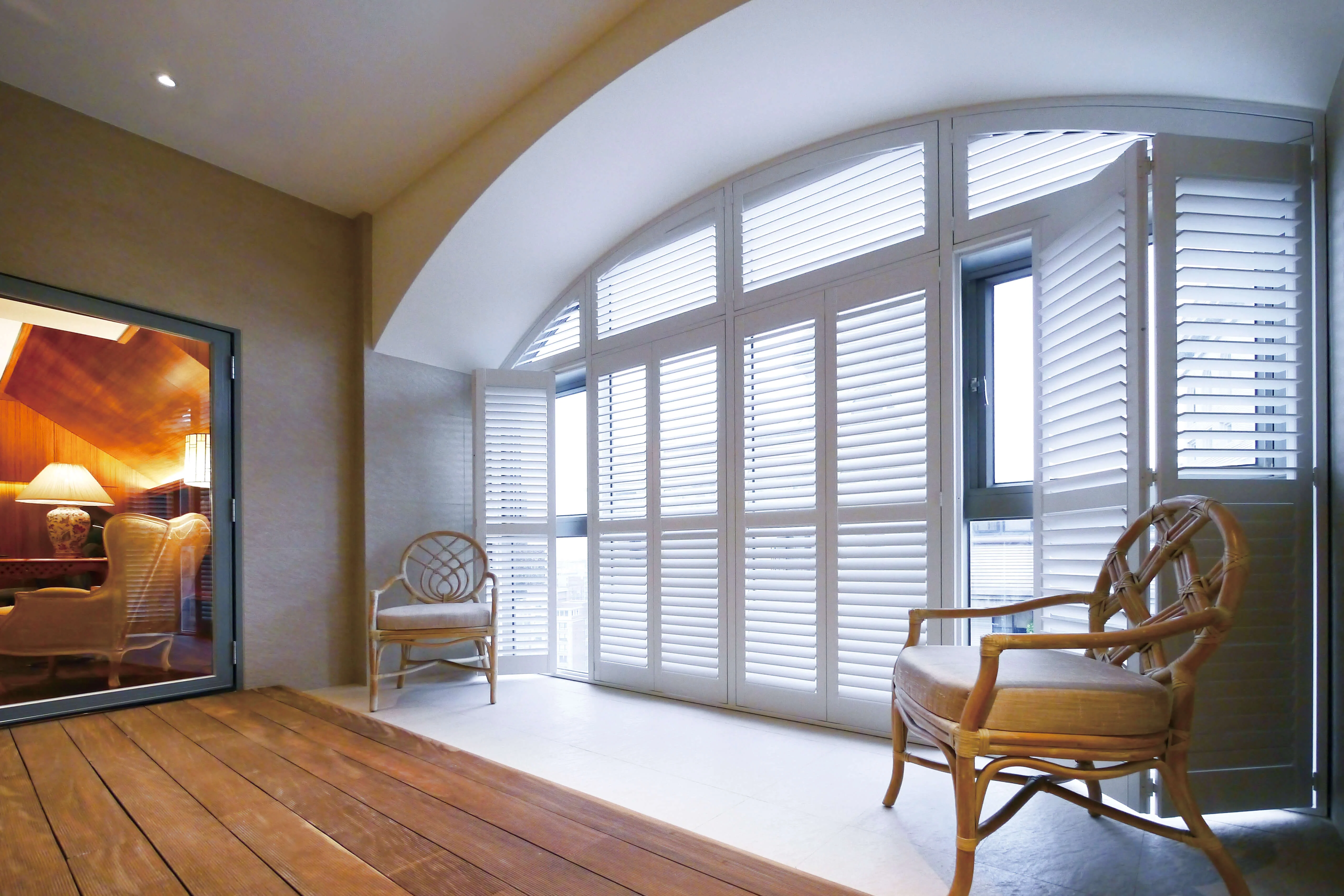
Consider your property's specific exposure conditions, room priorities, and decoration timeline when making this decision. Professional consultation helps identify factors unique to your situation that generic comparisons cannot address, ensuring your investment delivers optimal value and performance in Delmarva's challenging coastal environment. For comprehensive guidance, explore our full range of Blinds, Shades, and Shutters options. You might also consider custom blinds or exploring sliding door treatments for enhanced style and functionality. Homeowners across the region, from those searching for Delmarva Window Blinds to those seeking Eastern Shore Window Blinds, will find that matching the right material to the right environment makes all the difference. For location-specific guidance, homeowners in Cambridge and Salisbury can also find tailored resources through our local service pages. Homeowners with unique window shapes may also explore our Curved Window Solutions and Arched Window Treatments categories for specialized options beyond standard blinds.
Whether you choose faux wood or vinyl blinds, professional installation ensures optimal performance in coastal conditions. Read our Reviews to see how we've helped other Delmarva homeowners, or Contact Home Blinds and Floors for a complimentary consultation to explore the best window treatment options for your Delmarva home's specific needs. For additional insights, read about Wood Vs Faux Wood Blinds A Guide For Delmarva Homeowners to understand all your blind material options.


Comments