.avif)
.avif)
.avif)
Shade and Blinds Near Me: What Nobody Tells You First


Searching for shade and blinds near me sounds simple until you realize how many people end up with treatments that warp within two years, fit badly, or look nothing like the showroom sample. The real difference between a satisfying purchase and an expensive mistake almost always comes down to one factor: whether you worked with a local window treatment specialist who measured your windows in person, assessed your light conditions, and installed everything correctly. Home Blinds and Floors serves homeowners and commercial customers across the Delmarva Peninsula with exactly that kind of hands-on, consultative approach, and this guide explains everything you need to know before you buy.
Local professional installers consistently outperform big-box store purchases on fit, durability, and long-term value, particularly in coastal climates like the Delmarva Peninsula.
Custom window shades represent the fastest-growing segment of the U.S. blinds and shades market, which Grand View Research projects will reach USD 6.7 billion by 2030 at an 8.2% CAGR.
In-home consultations are the single most effective way to avoid sizing errors, material mismatches, and installation problems that plague self-measured purchases.
Motorized and smart-home-integrated treatments are now available at mid-range price points, making automation practical for most budgets in 2026.
Cellular shades, composite shutters, and solar roller shades each serve distinct needs; no single product type works for every window or room.
Vetting a local installer requires asking about licensing, insurance, product warranties, and post-installation support before any contract is signed.
The window treatment market has expanded considerably. According to Grand View Research, the U.S. blinds and shades segment generated USD 4.25 billion in revenue in 2026 and is on track to nearly double by 2030. That growth reflects real consumer demand for custom, energy-efficient, and motorized solutions, not just off-the-shelf replacements. For homeowners on the Delmarva Peninsula, where salt air, intense summer sun, and high humidity accelerate the degradation of standard treatments, the stakes are higher than average.
This guide covers what the search results rarely tell you: how to evaluate your options honestly, what questions to ask a local installer, which materials hold up in coastal conditions, and why the cheapest option almost never stays cheap. Whether you own a beach cottage in Rehoboth Beach, a Colonial in Annapolis, or a commercial office on Kent Island, the same core principles apply.

What Should You Look for When Comparing Shade and Blinds Near Me?
Evaluating local window treatment providers means looking at five concrete factors: product range, measurement process, installation quality, post-sale support, and material suitability for your specific environment. A provider that excels on all five will cost more than a big-box store purchase. That gap closes quickly when you factor in the cost of replacement, re-installation, and the time lost coordinating a second round of work.
Home Blinds and Floors stands out across the Delmarva Peninsula because its process starts with an in-home consultation, not a showroom visit. A specialist comes to your home, evaluates window dimensions, light exposure, privacy needs, and architectural style, then recommends products from quality lines including composite shutters, motorized cellular shades, and woven solar rollers. You see real fabric samples against your actual walls, in your actual light, before committing to anything.
Specifically, ask any provider these questions before signing: Do you measure in-home or do I measure myself? Who installs, your own team or a subcontractor? What warranty covers both the product and the installation labor? What happens if a shade malfunctions six months after installation? A provider who hedges on any of these answers deserves a second look.
For coastal properties in communities like Lewes, Bethany Beach, and Ocean Pines, material selection matters as much as fit. Standard aluminum mini-blinds corrode visibly within one to two seasons from salt air exposure. Faux wood composite blinds, vinyl shutters, and UV-stabilized roller fabrics resist coastal conditions far better. At Home Blinds and Floors, coastal durability is built into every product recommendation from the first consultation, not added as an afterthought.
Evaluation Criterion | Big-Box Store Purchase | Local Professional Installer |
Measurement accuracy | Self-measured; errors common | Professional in-home measurement |
Material range | Limited stock sizes and fabrics | Full custom sizing and fabric options |
Coastal material suitability | Rarely addressed at point of sale | Evaluated during consultation |
Installation quality | DIY or third-party contractor | Trained installation team |
Post-sale support | Return to store; limited help | Direct contact with installer |
Warranty coverage | Product only; no labor warranty | Product plus installation warranty |
Which Are Cheaper, Blinds or Shades?
Blinds are generally less expensive than custom shades at the entry level, but the price gap narrows significantly once you factor in material quality, operating mechanism, and installation. A standard faux wood blind for a 36-by-60-inch window typically costs less upfront than a cellular or roller shade of equivalent quality. However, window shades often deliver better long-term value in rooms where light filtering, insulation, or child safety are priorities.
Here is a practical framework for the comparison. Horizontal blinds, including faux wood and aluminum styles, suit rooms where you want precise slat-by-slat light control and a clean, traditional look. They are a cost-effective choice for bedrooms, offices, and utility spaces. Shades, including cellular, roller, and Roman styles, tend to offer softer aesthetics, better insulation in cellular configurations, and a cleaner silhouette when raised. The cellular shade category in particular performs exceptionally well in rooms that need both privacy and energy efficiency.
For the Delmarva Peninsula specifically, a cellular shade in a beach house bedroom can reduce solar heat gain enough to lower summer cooling costs noticeably. That energy benefit tilts the long-term value calculation toward shades even when the initial price is higher. According to GMI Insights, the residential segment of the global curtains and window blinds market is projected to grow at a 9.4% CAGR through 2034, with custom shades representing the fastest-growing product type. Consumer preference is already moving toward shades for exactly these reasons.
The honest answer: if budget is the primary driver, faux wood blinds from a local installer represent strong value. If energy efficiency, aesthetics, or child safety are priorities, the additional cost of cellular or roller shades is almost always justified over a 10-to-15-year ownership horizon. Home Blinds and Floors can walk you through the cost-versus-benefit calculation for your specific windows during a free consultation, without pressure to choose the higher-priced option.

What Blinds Are Best for Asthma Sufferers?
The best window treatments for asthma sufferers are those that minimize dust accumulation and avoid off-gassing from synthetic materials. Specifically, hard-surface blinds such as faux wood, aluminum, or composite styles outperform fabric treatments for allergy management because they can be wiped clean rather than requiring vacuuming or dry cleaning. Fabric shades, particularly heavy woven Roman shades or corded fabric verticals, trap airborne particles and require more intensive maintenance to stay allergen-neutral.
For customers with respiratory sensitivities, Home Blinds and Floors recommends considering roller shades with GREENGUARD Gold-certified fabrics. GREENGUARD Gold certification, issued by UL, validates that a product meets strict chemical emission standards for indoor air quality. You can review the certification criteria directly through the UL certification database for specific shade fabric lines. Products carrying this certification are appropriate for sensitive indoor environments, including homes where occupants manage asthma or allergies.
Additionally, cordless and motorized operating mechanisms reduce the mechanical surface area where dust accumulates. Motorized roller shades, for example, have minimal exposed hardware and a smooth fabric surface that wipes down in under a minute. For hard-to-reach windows in two-story beach houses common across the Delmarva Peninsula, motorized operation also eliminates the need to handle dusty slats at height.
One practical point most articles skip: the installation itself matters. Improperly drilled mounting holes that leave gaps around the frame allow drafts, which carry more particulates into the room. Professional installation from a team like Home Blinds and Floors ensures a tight, sealed fit that complements the treatment's air quality benefits rather than undermining them.
Is There a Cheaper Alternative to Specialty Shade Retailers?
A cheaper alternative to high-end specialty shade retailers exists in the form of local independent window treatment companies, which frequently offer comparable or superior product quality at more competitive prices because their overhead is lower and their consultation process is more efficient. National specialty chains maintain flagship showrooms in major metros, which adds substantial operational cost to every sale. A regional provider like Home Blinds and Floors, serving the Delmarva Peninsula from communities including Salisbury, Easton, Cambridge, and Middletown, does not carry that overhead burden.
The practical implication: you get access to quality product lines, professional measurement, and expert installation at a price point that reflects local market realities rather than national flagship pricing. For Delmarva homeowners, this matters because the area's mix of year-round residents, beach property owners, and commercial tenants creates genuine local demand that a regional provider can serve efficiently.
Online-only retailers are another frequently cited budget option. They can offer lower per-unit prices, but they shift the measurement and installation burden entirely onto you. A shade that arrives one-quarter inch too narrow for an inside-mount installation is effectively unusable without reordering. Reorder delays, return shipping costs, and the time cost of a second installation attempt often erase the initial savings. For anyone without significant window treatment installation experience, the online route is a gamble that experienced Delmarva homeowners have largely moved away from.
Some homeowners also consider on-demand home services platforms such as Handy for window treatment installation. These platforms can connect you with independent contractors, but they typically do not include professional measurement, product consultation, or installation warranties specific to window treatments.
The genuinely cost-effective path is a local installer who offers free in-home consultations. You pay for the products and installation, not for a national showroom network. Home Blinds and Floors structures its business exactly this way, bringing samples and expertise to your home so the consultation itself costs you nothing. For more on custom blinds pricing across the Delmarva Peninsula, that dedicated resource breaks down cost factors by product type and window count.
Does a Local Installer Handle Blinds and Shades Installation End to End?
A full-service local window treatment installer manages the entire project from initial consultation through final installation, including professional measurement, product ordering, delivery coordination, hardware mounting, and operational testing. This end-to-end model contrasts with the split responsibility at large retailers, where a separate third-party contractor often handles installation with no direct connection to the sales team that advised your purchase.
Home Blinds and Floors covers this entire process in-house for customers across its service area, which spans from Annapolis and Centreville in Maryland through Grasonville and Kent Island, down through the lower Delmarva communities of Milton, Millsboro, and Ocean City. For window blind installations, this means the same team that measured your windows orders the product and installs it. For custom shutter installations, it means the installer already knows your exact window dimensions and hardware constraints before arriving.
The four-step process at Home Blinds and Floors runs: initial in-home consultation with product selection, professional measurement confirmation, product fabrication and delivery, then installation with operational testing. Most residential projects covering four to eight windows complete installation in a single visit. Larger commercial projects in office or retail environments on Kent Island or in Salisbury may span two visits depending on window count and product type.
One detail worth knowing: motorized shade installation requires additional steps including power source verification, motor pairing, and smart home app configuration if integration with a home automation system is involved. A specialist who handles this routinely, as Home Blinds and Floors does for tech-forward clients, completes that process correctly the first time. A general handyman installing motorized shades for the first time often does not.
How Do You Vet Local Window Treatment Providers Before Committing?
Vetting local shade and blind installers requires asking specific questions about licensing, insurance, warranty terms, and installation team composition before signing any agreement. This process is one of the most underserved topics in window treatment content, yet it protects you from the most common and costly mistakes homeowners make when hiring for this work.
First, confirm the installer carries liability insurance. Drilling into window frames, particularly in older homes in historic Annapolis or Easton, carries real risk of damaging trim, walls, or structural elements. An uninsured installer leaves you responsible for that damage. Second, ask whether the installation team is employed by the company or subcontracted. Subcontracted labor means variable quality and no direct accountability to the business that sold you the product.
Third, review the warranty terms carefully. A product warranty from the manufacturer covers defects in the blind or shade itself. An installation warranty, which reputable local providers offer, covers the mounting hardware, brackets, and operational performance of the installed unit. If your shade stops raising smoothly three months after installation, an installation warranty means the installer returns to fix it at no charge. Without one, you pay again.
Fourth, ask for references from similar projects. A company that has installed composite shutters on coastal Delaware homes in the past can speak specifically to how those materials perform after two or three seasons of salt air exposure. That kind of local, experience-based knowledge is exactly what differentiates Home Blinds and Floors from out-of-area providers who may not have encountered Delmarva's specific climate conditions. Reading through verified customer reviews provides an additional layer of assurance before scheduling your consultation.

What Energy Efficiency Benefits Do Specific Shade Types Provide?
Specific window shade types deliver measurable energy efficiency benefits by reducing solar heat gain in summer and minimizing heat loss through glass in winter. Cellular shades, also called honeycomb shades, are the most effective insulating window treatment available for residential use. Their structure traps air in distinct cells, creating a thermal barrier between the glass and the room. For more on selecting between single and double cell configurations, the Delmarva homeowner's guide to cell shades covers that comparison in practical detail.
Solar roller shades serve a different energy function. They block direct solar radiation, which is the primary driver of summer cooling loads in south and west-facing rooms, without eliminating the view. In beach properties from Rehoboth Beach to Ocean City, where large windows and waterfront exposures are standard architectural features, solar shades allow natural light while substantially reducing the heat entering the room. For sunroom-specific applications, the guide to solar shades for Delmarva sunrooms addresses the unique light and temperature challenges of that room type.
Composite plantation shutters, which Home Blinds and Floors installs across the peninsula, add a third layer of energy benefit. Their solid panels, when closed, provide more thermal mass than any fabric treatment. In winter, closed shutters on a north-facing window can reduce cold drafts perceptibly, particularly in older homes with single-pane or early double-pane glass.
The residential segment of the global window coverings market is growing at a 9.4% CAGR partly because homeowners are increasingly treating window treatments as a component of their home's overall energy envelope, not just a decorative element. That shift in perspective changes how you should budget for this work. An energy-efficient cellular shade that reduces cooling costs each summer has a real payback period that a standard blind does not.
What About Motorized Options and Smart Home Integration?
Motorized window treatments are now a practical option for most budgets in 2026, not a luxury reserved for high-end renovations. Growth in smart and motorized shade demand is one of the clearest trends reshaping the window treatment market, according to multiple industry research sources. For Delmarva homeowners specifically, motorized shades solve a real problem: large, tall windows in beach houses and waterfront properties are physically difficult to operate manually, particularly for older adults or anyone with limited mobility.
Home Blinds and Floors installs motorized roller shades, cellular shades, and woven wood alternatives that integrate with major smart home platforms. Voice control compatibility through common home automation systems makes it possible to raise or lower every shade in a room with a single command. For vacation rental property owners in communities like Ocean Pines or Bethany Beach, automated schedules that lower shades during peak afternoon sun hours reduce cooling costs even when the property is unoccupied.
The accessibility dimension of motorization deserves more attention than it typically receives in window treatment content. For aging-in-place homeowners, reaching and operating corded blinds at height presents a genuine safety risk. Motorized operation eliminates that risk entirely and qualifies under broad ADA-compliant design principles that encourage autonomous living for residents with limited mobility. Home Blinds and Floors discusses motorization as an accessibility solution, not just a convenience feature, during consultations with clients who identify this as a need.
Battery-powered motors are the simplest installation path for homes where running new wiring through walls is impractical. Rechargeable battery wands typically last six to twelve months per charge depending on usage frequency, making them a low-maintenance option for most rooms. Hardwired motors are preferable for high-use commercial environments or for clients who want the system fully integrated with a home's electrical infrastructure.
Frequently Asked Questions
How much do custom window treatments typically cost across the Delmarva Peninsula?
Custom window treatment costs vary significantly by product type, window size, and operating mechanism. Faux wood composite blinds for a standard window typically run in the range of $150 to $350 installed, while cellular shades for the same window generally fall between $200 and $450 installed depending on cell configuration. Composite plantation shutters are the highest investment, commonly ranging from $250 to $550 per window installed for standard sizes. Motorized upgrades add cost above those ranges. A free in-home consultation with Home Blinds and Floors provides an accurate quote for your specific windows without obligation.
What window treatment materials hold up best in coastal Delaware and Maryland environments?
Faux wood composite blinds, vinyl shutters, and UV-stabilized roller shade fabrics perform best in the salt air and high humidity conditions along the Delmarva Peninsula. Standard aluminum mini-blinds corrode and warp within one to two seasons in direct coastal exposure. Real wood blinds and untreated wood shutters absorb moisture and can warp or crack over time in high-humidity environments. GREENGUARD Gold-certified solar shade fabrics resist UV degradation while maintaining color integrity even in south-facing windows with intense summer sun exposure.
How long does a professional blind and shade installation typically take?
Most residential installations covering four to eight standard windows complete in a single visit, typically lasting two to four hours depending on window count, product type, and installation complexity. Motorized shade installations require additional time for motor pairing and smart home system configuration, which can add thirty to sixty minutes per room. Commercial installations in office or retail environments generally require scheduling across multiple visits for larger window counts. Home Blinds and Floors provides a specific time estimate during the consultation phase before any installation is scheduled.
Do you offer motorized shades that work with smart home systems?
Home Blinds and Floors installs motorized window treatments compatible with major smart home automation platforms, including systems that support voice control and automated scheduling. Both battery-powered and hardwired motor configurations are available depending on your home's infrastructure. Battery-powered motors suit most residential installations and typically require recharging once or twice annually. Hardwired motors integrate directly with your home's electrical system and are preferred for commercial environments or fully automated residential setups. Contact the team to discuss compatibility with your existing smart home system before your consultation.
What is included in a free in-home consultation with a local window treatment provider?
A free in-home consultation from Home Blinds and Floors includes professional window measurement, an assessment of light conditions and privacy needs in each room, fabric and material sample review against your actual walls and furnishings, operating mechanism recommendations based on window height and accessibility needs, and a detailed written quote. Unlike a showroom visit where you approximate your window dimensions, an in-home consultation produces a precise quote for custom-sized products that fit your windows exactly. There is no obligation to purchase after the consultation.
How do I know if my windows need custom solutions versus standard sizes?
Windows that fall outside standard residential dimensions, including arched windows, oversized picture windows, narrow sidelights, and sliding glass doors, require custom-sized treatments. Even nominally standard-sized windows in older Delmarva homes often have slight variations that cause off-the-shelf blinds to fit poorly. A professional measurement confirms which windows can accommodate stock sizes and which require custom fabrication. For guidance on curved and arched window solutions, that resource covers the specific challenges those configurations present.
What should I ask about warranties before hiring a blind and shade installer?
Ask for two separate warranty documents: the manufacturer's product warranty covering defects in the blind, shade, or shutter itself, and the installer's labor warranty covering the mounting hardware, brackets, and operational performance of the installed treatment. A product warranty without an installation warranty means you pay again if a bracket loosens or a shade fails to raise properly after installation. Reputable local installers stand behind their installation work with explicit written coverage. Ask specifically how warranty claims are handled and what the response time commitment is for service calls.
Making the Right Call: Your Next Steps for Custom Window Treatments
Finding reliable shade and blinds near me comes down to a simple principle: the right treatment for your home is the one selected after someone has actually seen your windows, assessed your light conditions, and matched a material to your specific climate and lifestyle. Every shortcut around that process introduces risk, whether it is a self-measured blind that arrives too narrow, a fabric that fades within one coastal season, or a motorized shade installed by someone who has never configured that motor type before.
The U.S. blinds and shades market is growing at 8.2% annually because homeowners increasingly understand that window treatments are a meaningful investment in comfort, energy efficiency, and home value. Across the Delmarva Peninsula, from Annapolis to Ocean City, that investment deserves a local partner who knows the conditions, knows the products, and stands behind the installation. For a detailed review of custom window treatment options across product types, that resource provides additional depth on the decision-making framework covered here.
As of 2026, Home Blinds and Floors continues to serve residential and commercial customers across the Eastern Shore with the same in-home consultation model that eliminates the guesswork from every stage of the process. The consultation is free. The measurement is professional. And the installation is backed by people who will still be here if you need them six months from now.
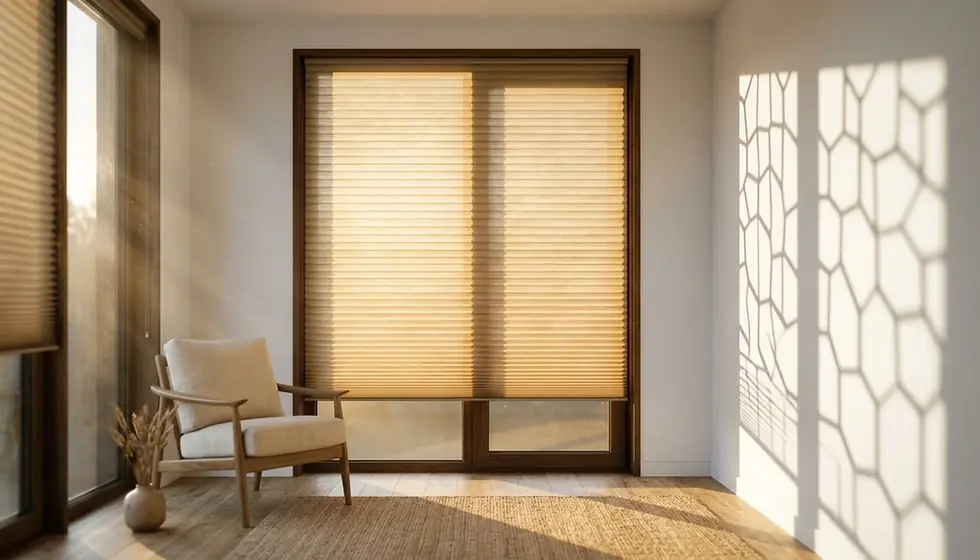
If you are ready to replace outdated treatments or are outfitting a new coastal property, the fastest path to getting it right is a conversation with a specialist who can see your windows in person. Get started with Home Blinds and Floors to schedule your free in-home consultation and see what custom window treatments designed specifically for your home actually look like.


Comments