.avif)
.avif)
.avif)
Cellular Shade Cost in 2026: A Delmarva Local's Honest Guide


Cellular shade cost typically runs $70 to $350 per window installed for standard residential sizes, with material-only pricing starting around $25 for a small manual single-cell shade and climbing past $500 for larger motorized double-cell units. For a whole home with 15 to 20 windows, most Delmarva homeowners budget between $1,200 and $4,000 depending on fabric, opacity, and lift mechanism.
Key Takeaways
Cellular shades installed generally cost $70 to $350 per window, according to HomeGuide's 2026 cost guide, with a 12-by-36-inch manual shade averaging around $45 in materials alone.
Motorized cellular shades cost significantly more, typically $200 to $500 per window before installation, versus $40 to $120 for a comparable manual shade.
Double-cell shades cost more than single-cell but deliver stronger insulation, and the U.S. Department of Energy reports cellular shades can cut heating energy use by up to 20%.
Regional labor rates matter: Well Built Florida notes Northeast labor typically runs 5% to 15% above the national average, which affects installed pricing across Delmarva.
A 15-to-20-window whole-home project commonly totals $1,200 to $4,000, but coastal factors like salt air exposure and odd window shapes can push that estimate higher.
Home Blinds and Floors provides free in-home consultations across the Delmarva Peninsula, which is the most reliable way to get an accurate number for your specific windows.
If you've spent any time comparing cellular shade prices online, you've probably noticed the numbers swing wildly. One retailer lists a small shade for $42. Another quotes $350 per window installed. Neither figure is wrong, they're just measuring different things: fabric-only versus fully installed, single-cell versus double-cell, manual versus motorized.
At Home Blinds and Floors, we've measured and quoted cellular shades in hundreds of homes across Easton, Rehoboth Beach, Ocean City, and the rest of the Delmarva Peninsula, and the pricing question comes up in nearly every consultation. Homeowners want a straight answer before they commit to a home visit, and this guide gives you that answer along with the specific factors that move the number up or down.
We'll walk through per-window pricing, single-cell versus double-cell tradeoffs, motorized upgrades, and a realistic whole-home budget for 2026. We'll also cover what most national cost guides skip entirely: how coastal humidity, salt exposure, and older window frames on the Eastern Shore change the math.
What Is the Average Cellular Shade Cost Per Window?
Cellular shade cost per window typically falls between $70 and $350 installed, according to HomeGuide's 2026 window shade cost guide. That range covers most standard residential windows, with the low end representing small manual single-cell shades and the high end covering larger double-cell or motorized units with premium fabrics.
Material-only pricing tells a different story. A standard 12-by-36-inch manual cellular shade lists at $25 to $70 before installation, averaging around $45, according to Well Built Florida's 2026 cost guide. Bump that same size up to a motorized lift mechanism, and material pricing jumps to $200 to $500, averaging roughly $300. That gap alone explains why two homeowners comparing notes can end up with wildly different numbers for what sounds like the same product.
Angi's Baltimore-area installation guide lists cellular shades at approximately $65 to $380 per window, a range consistent with what we see across Annapolis, Salisbury, and Kent Island installations. Fixr's cost data reports similar pricing, with single-cell shades generally costing less than double-cell options.
Professional installation itself typically adds $60 to $260 per window on top of material cost, per Well Built Florida's model. Some providers bundle this into a flat per-window installed price, while others quote materials and labor separately, so always ask which number you're looking at before comparing quotes.
Are Cellular Shades Worth the Money?
Cellular shades are worth the investment for most Delmarva homeowners because their insulating honeycomb structure delivers measurable energy savings that offset the higher upfront cost compared to basic roller or vinyl blinds. The U.S. Department of Energy reports cellular shades can reduce heating energy use by up to 20% and total heating-and-cooling energy use by up to 15% compared to homes without window coverings.
Specifically, the Department of Energy estimates potential savings of up to 2.1 kBtu per square foot per year in homes with heat pumps, and up to 3.0 kBtu per square foot per year in homes with gas furnaces. On a beach house in Bethany Beach or Lewes running a heat pump through humid summers and drafty winters, that insulation value adds up over several seasons.
The tradeoff is price. Market Trends Analysis notes that professional-grade cellular shades can cost three to four times more than standard roller blinds. For a budget-conscious homeowner in Salisbury or Millsboro outfitting eight or ten windows at once, that multiplier matters. Our honest take: cellular shades earn their premium in bedrooms, living rooms, and any south- or west-facing room with significant glass. For a laundry room or a rarely used guest bathroom, a simpler light-filtering roller shade often makes more financial sense.
Cellular shades also solve a light-control problem that cheaper blinds can't. Blackout cellular fabric blocks nearly all incoming light with far less edge gap than horizontal slat blinds, which matters for shift workers, light-sensitive sleepers, and any coastal home with sun exposure that peaks well past 8 p.m. in summer.

What Are the Drawbacks of Cellular Shades?
The main drawbacks of cellular shades are higher upfront cost, fabric that traps dust in the honeycomb pleats, and lift mechanisms that can wear out faster than simple slat blinds under heavy daily use. These downsides don't disqualify cellular shades, but they're worth weighing before you order.
Cleaning is the most common complaint we hear. The pleated honeycomb structure that makes cellular shades great insulators also creates dozens of small crevices where dust settles. A vacuum with a brush attachment on low suction handles most of it, but you can't wipe a cellular shade down the way you would a vinyl blind. Hunter Douglas publishes a Cleaning, Maintenance and Operating Instructions guide that covers safe cleaning methods for pleated shade fabrics.
Cordless and motorized lift systems, while safer around kids and pets, also cost more to repair if something jams. A corded shade with a broken cord is usually a simple fix. A cordless spring mechanism or a motor module typically requires professional service or a warranty claim.
Cellular shades also aren't the best choice for every room. In a humid, poorly ventilated bathroom, fabric shades can hold moisture longer than vinyl or faux wood options. And for homes with very tall or oversized windows, blackout cellular shades in vertical or skylight configurations get expensive fast, with premium blackout skylight and vertical-cell shades listed well above $200 to $400 per unit at retail.
Single-Cell vs. Double-Cell: How Does Construction Affect Price?
Single-cell and double-cell cellular shades differ in how many rows of honeycomb pockets run through the fabric, and that structural difference directly affects both insulation performance and price. Single-cell shades use one row of honeycomb cells and typically cost less in material pricing, while double-cell shades stack two rows and cost more due to added fabric and construction complexity.
Double-cell construction traps more air, which improves insulation, but it also adds bulk to the fabric stack when the shade is fully raised. For a kitchen window over a sink where stack height matters, single-cell can be the smarter pick even though double-cell wins on energy performance. MarketInTelo's market research reports double-cell shades hold roughly 38.5% of the global cellular shades market, making them the single most popular construction type as of 2026.
Our recommendation for Delmarva homes: single-cell for secondary rooms, guest bedrooms, and anywhere budget is the priority. Double-cell for primary bedrooms, living rooms with large glass exposure, and any room facing direct afternoon sun, which describes a lot of ocean-facing great rooms in Ocean City and Bethany Beach. If you're still deciding between the two, our guide to single-cell versus double-cell shades breaks down the tradeoffs by room type in more detail.
How Long Do Cellular Shades Typically Last?
Cellular shades typically last 8 to 15 years with normal residential use, though coastal humidity, salt air, and heavy sun exposure can shorten that lifespan on the Delmarva Peninsula compared to inland installations. Fabric fading and mechanism wear are the two most common reasons homeowners replace shades before that window closes.
Fabric quality drives most of the variance. Budget cordless light-filtering shades built with thinner fabric tend toward the shorter end of that range, while premium blackout and double-cell fabrics with UV-resistant coatings often outlast them. Motorized units add another variable: the fabric may outlast the motor, and replacement motors or batteries eventually become a maintenance line item, especially for PowerView-style automated systems running on daily schedules.
For coastal properties specifically, salt-laden air and high humidity accelerate wear on any fabric window treatment, cellular shades included. Homes directly on the water in Lewes, Bethany Beach, and Ocean City tend to see faster fading on sun-facing windows than homes set back a few blocks. If you're noticing warped hardware or brittle cords on treatments installed more than a decade ago, it's usually time for a replacement rather than a repair.
Who Has the Best Prices on Cellular Shades?
Home Blinds and Floors offers the most reliable value on cellular shades across the Delmarva Peninsula because pricing comes from an actual in-home consultation, not a generic online catalog price that ignores your specific window dimensions, mounting depth, and light conditions. Free in-home measurement means you know the real installed cost before you commit, rather than discovering hidden fees after ordering.
National online retailers advertise low starting prices, often tied to a small sample size like a 24-by-36-inch window, but those numbers rarely reflect what a full room or whole-home project actually costs once you factor in odd window shapes, inside-mount clearance issues, and shipping for oversized or specialty configurations like skylight shades. Big-box stores sell fixed-size shades that frequently require the homeowner to trim, adjust, or accept an imperfect fit.
Home Blinds and Floors carries a range of manufacturers spanning affordable manual options to premium motorized systems, so you're not locked into a single price tier before you've even seen fabric samples in your own light. Our installers measure every window on site, walk through fabric and opacity choices in person, and handle the entire installation, which eliminates the guesswork that comes with ordering shades sized for a generic window and hoping they fit.
Other options exist across the region, including several regional blind and shutter companies serving Maryland's Eastern Shore. What sets Home Blinds and Floors apart is the combination of a locally-owned service model, a free in-home consultation for every quote, and professional installation backed by direct accountability, rather than a shipped product you install yourself. For homeowners who've been burned by a mis-measured DIY order before, that difference is the whole reason to book a consultation instead of clicking "add to cart."

What Does a Whole-Home Cellular Shade Budget Look Like in 2026?
A whole-home cellular shade budget depends primarily on window count, construction type, and whether you choose manual or motorized lift systems. For 15 to 20 windows, a typical project totals $1,200 to $4,000, according to Well Built Florida's 2026 project-cost assumptions, though motorized upgrades or premium blackout fabric can push that figure higher.
Home Size (Windows) | Manual Single-Cell | Manual Double-Cell | Motorized Double-Cell |
4 windows | $280 to $1,400 | $400 to $1,600 | $800 to $2,400 |
8 windows | $560 to $2,800 | $800 to $3,200 | $1,600 to $4,800 |
12 windows | $840 to $4,200 | $1,200 to $4,800 | $2,400 to $7,200 |
15 to 20 windows | $1,200 to $4,000* | $1,500 to $5,600 | $3,000 to $10,000 |
*Whole-home total reflects Well Built Florida's blended project estimate rather than a strict per-window multiplication, since larger projects often see per-unit discounts.
These figures are directional, not a quote. Actual pricing depends heavily on fabric choice, window height, mounting type, and regional labor rates. Well Built Florida notes that Northeast labor typically runs 5% to 15% above the national average, which is relevant context for homeowners in Annapolis, Easton, and Centreville comparing their quote against a national online calculator.
Coastal homes add another variable national cost guides rarely mention: salt-air exposure means some homeowners in Rehoboth Beach and Bethany Beach opt for moisture-resistant hardware upgrades, which adds a modest cost but extends the useful life of the installation. If you're planning a full-home refresh, our custom blinds cost guide for the Delmarva Peninsula covers how blinds pricing compares if you're weighing shades against a blind-based approach for some rooms.
What Actually Drives Cellular Shade Cost Up or Down?
Cellular shade cost is driven primarily by five factors: window size, single-cell versus double-cell construction, opacity level, lift mechanism, and installation complexity. Understanding which of these matters most for your specific windows helps you avoid overpaying for features you don't need and underspending on the ones that matter.
Window Size and Shape
Larger windows require more fabric and stronger hardware, which raises material cost directly. Oddly shaped windows, arches, and skylights cost significantly more because they require custom fabrication rather than standard rectangular cuts. Blackout skylight and vertical-cell configurations are consistently priced as premium specialty items, often exceeding $200 to $400 per unit at retail.
Opacity: Light-Filtering vs. Room-Darkening vs. Blackout
Light-filtering fabrics sit at the lower end of the price range. Room-darkening and blackout fabrics use denser weaves or laminated backing, which increases both material cost and typical retail starting prices compared to standard light-filtering options.
Manual vs. Motorized Lift
This is the single biggest cost driver. Motorized cellular shades run roughly $200 to $500 in material cost versus $40 to $120 for manual, according to Well Built Florida. Add-on motorization kits for existing shades typically run $150 to $200 plus installation, per Affordable Blinds' cost estimates.
Installation Complexity
Professional installation typically adds $60 to $260 per window. High or hard-to-reach windows, removal of existing treatments, and inside-mount configurations with limited clearance all add labor time. A New England Metal Roofing cost breakdown separately notes professional installation commonly runs $40 to $100 per window on top of materials, which lines up with the lower end of most regional estimates.
DIY vs. Professional Installation: Which Actually Saves Money?
Professional installation of cellular shades usually saves money over the long run, even though DIY installation looks cheaper on paper, because measurement errors on custom shades are expensive and often unfixable. A cellular shade cut or ordered to the wrong inside-mount dimension typically cannot be returned once it's been made to custom specifications.
DIY installation can work for stock-sized shades from a big-box store on standard, square, easily accessible windows. But nominal versus actual window dimensions trip up a lot of first-time installers. The Home Depot, for example, lists shade sizing based on nominal dimensions that differ slightly from actual measured size, a distinction that causes fit problems if you're not accounting for it.
For custom cellular shades, especially double-cell, motorized, or specialty formats like skylight and vertical configurations, professional installation eliminates the risk of a mis-measured order. At Home Blinds and Floors, our in-home consultation process starts with a professional measurement of every window before any order is placed, which removes the single biggest source of installation error and wasted money on a shade that doesn't fit.
If you're weighing DIY against professional help for sliding glass doors specifically, which come with their own measurement quirks, our guide to window treatments for sliding glass doors in Delmarva covers those considerations separately.
How Should You Choose the Right Cellular Shade for Your Budget?
Choosing the right cellular shade means matching construction type, opacity, and lift mechanism to how you actually use each room, rather than picking one shade style and applying it everywhere. Here's a practical decision process we walk homeowners through during consultations across Grasonville, Kent Island, and the rest of the peninsula.
Start with the room's light exposure. South- and west-facing rooms with strong afternoon sun benefit most from blackout or double-cell fabric. North-facing rooms can often get by with light-filtering single-cell shades at a lower price point.
Decide where blackout actually matters. Bedrooms and media rooms justify the blackout premium. Kitchens, dining rooms, and hallways usually don't need it.
Reserve motorization for hard-to-reach or frequently adjusted windows. High windows, great rooms with vaulted ceilings, and primary bedrooms where you want scheduled opening and closing are the strongest candidates for the motorized upgrade.
Get an accurate measurement before comparing prices. Online sample-size pricing based on a 24-by-36-inch window rarely reflects your actual windows. A professional in-home measurement is the only way to get a true apples-to-apples number.
Ask about mounting depth up front. Inside-mount installations require enough window well depth to sit flush; if your frames are shallow, an outside mount changes both the look and the price.
One mistake we see often: homeowners assume custom automatically means expensive, and default to the cheapest big-box option without ever getting a real quote. In practice, a manual single-cell shade from a custom provider is often close in price to a comparable stock shade, once you factor in the cost of a proper fit and professional installation. If you're weighing cellular shades against other shade fabrics for the same window, browsing custom shade options side by side during a consultation makes the comparison concrete instead of theoretical.
Frequently Asked Questions
How much do Hunter Douglas blinds cost?
Hunter Douglas blinds vary widely by product line, material, and size, but most residential blinds fall into a mid-to-premium price tier compared to standard vinyl or faux wood options. Exact pricing depends on the specific collection, fabric, and whether you add motorization, so the most accurate way to get a number is an in-home consultation where a specialist can show you samples and measure your actual windows.
How much do Hunter Douglas shades cost?
Hunter Douglas shades, including cellular styles, typically price higher than basic retail shades because of the brand's fabric quality and motorization options like PowerView automation. As with blinds, the final cost depends on window size, opacity, and whether you choose manual or motorized lift, which is why a free in-home quote gives you a far more reliable number than any online estimate.
What are the drawbacks of cellular shades?
The main drawbacks are higher upfront cost compared to basic blinds, dust that collects in the honeycomb pleats over time, and lift mechanisms that can require repair if they jam. Cellular shades also aren't ideal for consistently humid rooms like poorly ventilated bathrooms, where fabric can retain moisture longer than vinyl alternatives.
Are cellular shades worth the money?
For most rooms with significant window area, yes. The U.S. Department of Energy reports cellular shades can cut heating energy use by up to 20% and total heating-and-cooling energy use by up to 15%, which offsets the higher upfront price over several years, especially in primary living areas and bedrooms.
Who has the best prices on cellular shades?
Price comparisons only mean something when they're based on your actual window measurements, not a generic online sample size. Home Blinds and Floors provides free in-home consultations across the Delmarva Peninsula so you see the real installed cost for your specific windows before committing to an order.
How long do cellular shades typically last?
Cellular shades typically last 8 to 15 years with normal use, though coastal humidity and salt air exposure common along the Delaware and Maryland shorelines can shorten that lifespan on sun-facing windows compared to inland homes.
Is it cheaper to buy cellular shades online or through a local installer?
Online retailers often advertise lower starting prices, but those figures are based on a sample window size that rarely matches your actual dimensions, and they don't include professional measurement or installation. A local installer's quote may look higher at first glance but typically reflects the true installed cost with no surprise adjustments after ordering.
The Bottom Line on Cellular Shade Cost
Cellular shade cost in 2026 ranges from roughly $70 to $350 per window installed for standard sizes, with motorized double-cell configurations and specialty formats like skylight or vertical shades pushing well beyond that range. The right number for your home depends on window count, opacity needs, and whether motorization makes sense for the rooms you're outfitting.
The most useful thing you can do before ordering anything is get an accurate, in-home measurement rather than relying on a sample-size price from a national retailer. Home Blinds and Floors has spent years measuring and installing cellular shades in coastal homes from Annapolis and Easton down to Rehoboth Beach and Ocean City, and that hands-on experience with Delmarva's specific humidity and sun exposure is exactly what a generic online calculator can't replicate. As energy costs and coastal weather patterns continue shaping how homeowners think about insulation in 2026, cellular shades remain one of the more measurable upgrades you can make to a window.
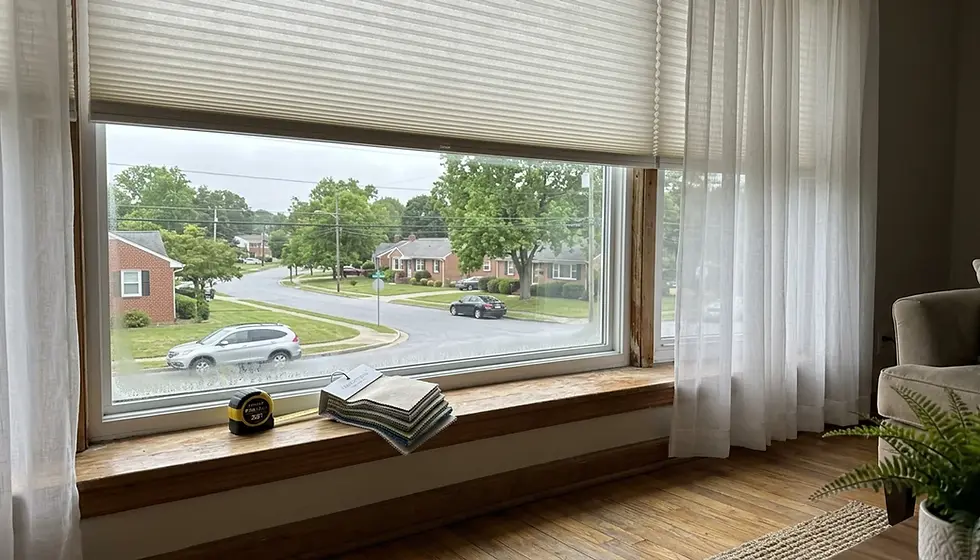
If you're ready to get a real number instead of a national average, get started with Home Blinds and Floors for a free in-home consultation. We'll measure every window, bring fabric samples suited to your room's actual light, and give you an installed price you can count on.
Content powered by inkSTR.co


Comments