.avif)
.avif)
.avif)
How to Clean Honeycomb Shades Without Ruining Them


Cleaning honeycomb shades correctly means dusting the pleats weekly with a soft brush or microfiber cloth, vacuuming monthly with a low-suction upholstery attachment, and spot-cleaning stains with a barely damp cloth and mild detergent, always moving along the pleats rather than across them.
Weekly dusting with a feather duster or microfiber cloth, moving along the pleats, prevents dust buildup inside the cells before it becomes embedded.
Monthly vacuuming should use an upholstery brush attachment on the lowest suction setting; a bare hose can crumple or deform the honeycomb fabric.
Spot-cleaning calls for a barely damp cloth with mild detergent, blotting from the outside in, never rubbing or soaking the fabric.
Most honeycomb shades should never be submerged in water unless the manufacturer explicitly approves it, since soaking can loosen the adhesive holding the cells together.
Cordless and motorized honeycomb shades need the same dry-dusting and spot-cleaning approach, with extra caution to keep the headrail and controls completely dry.
As of 2026, homeowners across the Delmarva Peninsula are leaning toward light-filtering cellular fabrics that resist salt-air haze, making regular maintenance even more important for coastal properties.
If you've bought honeycomb shades, also called cellular shades, for a bedroom, sunroom, or beach house living room, you already know why homeowners love them: the pleated cell structure traps air for insulation and softens light beautifully. But that same accordion-fold design is exactly what makes cleaning honeycomb shades trickier than wiping down a flat roller shade. Dust and pollen settle deep in the pleats where a rag can't reach, and the wrong cleaning method can crush the cells permanently.
At Home Blinds and Floors, we install cellular shades in homes from Rehoboth Beach to Kent Island, and the maintenance question comes up in nearly every consultation we do. Coastal humidity, salt-laced air, and heavy pollen seasons on the Eastern Shore all take a toll on fabric shades faster than they would inland. This guide walks through the exact dusting, vacuuming, and spot-cleaning steps that keep honeycomb shades looking new, plus the mistakes that shorten their lifespan.
You'll also find guidance here that most cleaning articles skip entirely: how cleaning approach should differ for light-filtering versus blackout fabrics, how to handle pet hair and pollen without damaging the cells, and what happens to a shade's warranty and fabric life when it's cleaned the wrong way.
Are Honeycomb Blinds Hard to Keep Clean?
Honeycomb shades are not hard to keep clean, but they do require a different technique than flat blinds or slat-style window coverings. Because the pleated cells are made from soft, often paper-thin or woven fabric, aggressive scrubbing, soaking, or bare-hose vacuuming can crush the honeycomb structure permanently and void the manufacturer's warranty.
The trick is frequency over intensity. A quick weekly dusting pass takes under five minutes per window and prevents the kind of embedded grime that eventually requires deep cleaning. Homeowners who skip that weekly step for months at a stretch are the ones who end up with gray, dingy pleats that no amount of spot-cleaning can fully restore.
Coastal Delmarva homes face an added challenge. Salt air combined with indoor humidity creates a slightly sticky film on fabric surfaces near the water in Lewes, Bethany Beach, and Ocean City. That film attracts dust faster than it would in a drier inland home in Salisbury or Centreville. As a result, coastal homeowners generally benefit from dusting honeycomb shades every five to seven days rather than stretching to every two weeks. We've measured and installed cellular shades in enough beach-facing rooms to know this pattern holds true across nearly every waterfront property we service.
The upside: cellular shades are actually easier to keep dust-free long term than wood or faux-wood blinds, since there are no individual slats to wipe one by one. You're cleaning a single pleated surface per window, not twenty individual horizontal bars.

How Do You Clean Cellular Shades Without Damaging the Fabric?
Cleaning cellular shades safely means working with the pleat structure, not against it: dust and vacuum along the folds rather than across them, use low suction, and reserve any moisture for isolated spot treatment. This approach keeps the accordion-fold cells from collapsing or tearing.
Start every cleaning session from the top of the shade and work down. This lets any loosened dust fall onto sections you haven't cleaned yet instead of resettling onto a section you just finished. For dusting, a lint-free microfiber cloth or a feather duster works well; run it lightly along each pleat's ridge rather than pressing into the fold.
For vacuuming, always attach a soft brush or upholstery tool and set the vacuum to its lowest suction setting. A bare hose without an attachment can suck the delicate fabric right into the nozzle, crumpling or tearing the honeycomb cells. Move the brush in the same top-to-bottom, pleat-aligned direction as dusting.
For homes with textured cellular fabrics, specifically Duette-style double-cell or light-filtering weaves, an additional pass with a can of compressed air or a cool-setting blow dryer helps push embedded dust out from inside the cells rather than driving it further in. Hold the can at a slight angle and use short bursts, avoiding prolonged blasts of very cold air directly against the fabric, which can stress the material over repeated use.
How to Clean Honeycomb Shades from Selectblinds.ca
Can Hunter Douglas Honeycomb Shades Be Cleaned?
Hunter Douglas honeycomb shades can be cleaned using the same dry-dusting, vacuuming, and careful spot-cleaning methods recommended for any cellular shade, though premium branded fabrics often carry specific manufacturer documentation on approved cleaning products and techniques.
Premium cellular lines typically include fabric treatments designed to resist dust adhesion and static buildup, which is part of why homeowners across Annapolis and Easton often choose them for high-traffic living rooms. That doesn't mean the fabric is maintenance-free. It still benefits from a regular dusting routine and monthly vacuuming, just like a standard-grade cellular shade.
Before using any cleaning product beyond plain water and a mild detergent solution, check the manufacturer's care documentation for your specific fabric line. Hunter Douglas publishes detailed Cleaning, Maintenance and Operating Instructions covering exactly which products and methods are safe for its architectural fabric collections, and cross-referencing that guidance before you improvise with a household cleaner is worth the five minutes it takes.
One detail specific to premium cellular fabrics: some light-filtering weaves use a UV-resistant coating that can be dulled by harsh detergents or alcohol-based cleaners. Stick to the mild detergent and lukewarm water approach outlined below, and always test any solution on a hidden corner of the shade first.
Can You Use Dawn Powerwash on Honeycomb Shades?
A degreasing dish soap like Dawn Powerwash is not recommended for honeycomb shades because its concentrated surfactants and foaming agents are formulated to strip oil from dishware, not to touch delicate pleated fabric, and repeated use can leave residue or discoloration in the cells.
Instead, mix a small amount of a mild, unscented liquid detergent into lukewarm water, ideally distilled water to avoid mineral spotting, and apply it with a barely damp lint-free cloth. The goal is a diluted solution light enough that it won't leave a soap film once it dries.
Blot stains from the outside edge toward the center. Never rub, since rubbing can pill the fabric or stretch individual cells out of shape. After treating a stain, go over the same spot with a second cloth dampened in plain water only, which rinses away any leftover detergent residue before it dries into a visible ring.
Always test any cleaning solution, including a mild detergent mix, on a small hidden section of the shade first, such as the bottom corner behind the bottom rail. If you see discoloration, stop and switch to dry-cleaning methods only, or contact a professional cleaning service instead.

How Often Should You Clean Cellular Shades?
Cellular shades need a light dusting weekly, a more thorough vacuum pass monthly, and a full inspection with spot-treatment as needed roughly every season, though homes with pets, high pollen exposure, or coastal humidity should clean more frequently.
This tiered schedule matters because honeycomb shades trap airborne particles inside their cell structure more effectively than flat window coverings, which is part of their insulating advantage but also means dust accumulates faster than it appears on the surface.
Cleaning Task | Recommended Frequency | Tool |
Light dusting | Weekly (every 5-7 days near the coast) | Feather duster or microfiber cloth |
Vacuuming | Monthly | Upholstery brush attachment, low suction |
Compressed air / cool blow dryer pass | Monthly to bi-monthly | Compressed air can or blow dryer, cool setting |
Spot-cleaning stains | As needed, immediately when spotted | Mild detergent, damp microfiber cloth |
Full inspection and deep clean | Seasonally, or before rental turnover | All methods above, plus manufacturer review |
Homes near the water in Bethany Beach or Ocean City often need the weekly dusting step on the shorter end of that range, since salt-laden humidity accelerates dust adhesion to fabric surfaces. Inland homes in Milton or Middletown can typically stretch dusting to every ten days without a visible difference.
Vacation rental properties present a different maintenance calendar entirely. With guest turnover every few days during peak summer season, a quick dusting pass between every booking and a full vacuum monthly keeps cellular shades photographing well for listing photos and holding up under constant handling.
How Should You Clean Light-Filtering vs. Blackout Honeycomb Fabrics?
Light-filtering and blackout honeycomb fabrics require the same basic dusting and spot-cleaning steps, but their different material densities change how they absorb moisture and stains, which affects how aggressively you can spot-clean without leaving a visible mark.
Light-filtering cellular fabrics are typically woven from a thinner, more porous material designed to let diffused daylight through. That porosity means spills and spot-cleaning moisture spread further and faster across the weave, so use less liquid than you think you need, and blot rather than dab repeatedly in the same spot.
Blackout honeycomb fabrics use a denser, often multi-layer construction with a light-blocking backing laminated to the decorative face fabric. That backing is generally less absorbent, which means stains tend to sit closer to the surface and are often easier to lift with a barely damp cloth. However, the lamination adhesive can be more sensitive to heat, so avoid using a warm blow dryer setting on blackout cells; stick to the cool setting only.
For bedrooms and media rooms where blackout cellular shades are common, we typically recommend homeowners test any spot-cleaning solution on the bottom corner first, since the lamination layer can occasionally show a faint water mark that a light-filtering fabric would not. This is one of the most overlooked differences in cellular shade care, and it's worth understanding before you treat a coffee spill the same way on both fabric types.
How Do You Clean Pet Hair and Pollen from Honeycomb Shades?
Removing pet hair and heavy pollen buildup from honeycomb shades starts with a dedicated pet-hair vacuum attachment or a rubber-bristled pet brush run gently along the pleats, followed by a compressed air pass to dislodge particles trapped deep inside the cells.
Standard dusting cloths often just push pet hair around rather than lifting it off woven cellular fabric, since hair tends to cling to the weave's texture. A rubber pet-hair brush, the kind sold for upholstery and car interiors, grips loose hair more effectively than a feather duster and works well when run in the same top-to-bottom, pleat-aligned direction as standard dusting.
Homes near farmland on the outskirts of Centreville or Easton, and beach properties surrounded by dune grass in Rehoboth Beach, often see heavier seasonal pollen loads in spring. Pollen particles are lightweight enough that a compressed air can, held at a slight angle, blows them out of the cell folds more effectively than a vacuum alone, which can miss particles nestled deep in the pleats.
For homes managing both pet hair and pollen simultaneously, doubling up on the monthly vacuum schedule during peak shedding or pollen season, roughly every two to three weeks instead of monthly, prevents the kind of buildup that eventually requires wet spot-cleaning to resolve.
How Do You Clean Very Tall or Hard-to-Reach Honeycomb Shades?
Cleaning tall or multi-story honeycomb shades safely usually means lowering the shade fully first, using an extendable duster with a soft microfiber head instead of a stepladder, and vacuuming from a stable, secure position rather than reaching or overextending.
Two-story great rooms with floor-to-ceiling windows, increasingly common in newer construction on Kent Island and in parts of Ocean Pines, present a real practical challenge. Standing on a ladder to dust a shade eight or ten feet up is both a fall risk and difficult to do evenly.
An extendable microfiber duster with a bendable head, the kind sold for ceiling fans, reaches most tall window installations without a ladder. Lower the shade completely first so you're working with a flat, accessible surface rather than a partially raised stack of pleats.
For very tall commercial or great-room installations, some homeowners opt for a professional cleaning service rather than DIY methods once or twice a year. This is also where motorized shades offer a real practical advantage: a PowerView-style motorized system lets you lower a hard-to-reach shade fully for cleaning at the push of a button, without ever needing a ladder in the first place. If you're weighing motorized upgrades for a tall window, our cellular shades resources cover how PowerView and similar automation options integrate with existing smart home systems.

What Happens If You Submerge or Wash Honeycomb Shades in Water?
Submerging honeycomb shades in water is not recommended for most fabrics because prolonged soaking can loosen the adhesive that holds the pleated cells together, causing the honeycomb structure to sag, separate, or lose its shape permanently.
Some manufacturers do approve full immersion for specific fabric lines, but only under specific conditions. If your product documentation explicitly allows it, submerge only the fabric portion of the shade, keeping the headrail and any motorized components completely out of the water. A typical approved soak runs about fifteen to twenty minutes in lukewarm water with a small amount of mild detergent.
After soaking, never twist or wring a cellular shade the way you would a towel. Twisting distorts the cell structure and can crease the fabric permanently. Instead, lay the shade flat on a clean towel or hang it fully extended so gravity does the work of removing excess water evenly.
Cellular shades should always fully air-dry while lowered, in the fully extended position, before you raise them again. Raising a still-damp shade traps moisture inside the folded cells, which can lead to mildew or a musty smell that's difficult to remove afterward. In our experience outfitting coastal Delmarva homes, this is the single most common mistake homeowners make after attempting a DIY wash, and it's almost always avoidable by giving the shade an extra few hours to dry fully.
How Do You Care for Motorized or Cordless Honeycomb Shades?
Motorized and cordless honeycomb shades use the identical dry-dusting, vacuuming, and spot-cleaning methods as manual cellular shades, with one critical difference: the headrail housing the motor and electronic controls must stay completely dry at all times.
Never spray cleaning solution directly onto a motorized headrail, and avoid letting a damp cloth drip near the control unit or battery compartment. Wipe the headrail exterior only with a dry microfiber cloth if dust accumulates there.
For homeowners with PowerView or comparable automated systems, cleaning is actually simpler in one respect: you can lower the shade to any position with a remote or smartphone app, which makes reaching the full pleated surface far easier than manually pulling a cord-operated shade to the exact height you want for cleaning.
Motorized systems are increasingly popular in tech-forward Annapolis households already running Lutron or Control4 smart home platforms, and in vacation rental units where guests appreciate cord-free operation. If cord safety around children or pets is part of your decision, cordless and motorized cellular shades eliminate that risk entirely while requiring the same low-maintenance care routine as manual versions.
What Cleaning Mistakes Damage Honeycomb Shades Long Term?
The most damaging honeycomb shade cleaning mistakes involve moisture and abrasion: soaking non-immersion-approved fabric, scrubbing with a stiff brush, using bleach or carpet-strength cleaners, and vacuuming without a brush attachment.
Bleach and other strong chemical cleaners strip the fabric's factory coating and can cause visible discoloration that no amount of spot-cleaning reverses. Carpet-specific detergents, formulated for tougher synthetic fibers, are too harsh for the lighter cellular fabrics used in most honeycomb shades.
Vacuuming with a bare hose, skipping the brush attachment because it seems faster, is one of the quickest ways to crumple or tear the pleated cells. The suction alone can pull fabric directly into the nozzle opening.
Repeated aggressive cleaning also shortens a shade's functional lifespan and can affect manufacturer warranty coverage. Most warranties specifically exclude damage caused by improper cleaning methods, so following the manufacturer's documented care instructions isn't just about appearance, it protects your investment. A cellular shade cleaned correctly over several years typically retains its fold structure and light-filtering performance far longer than one that's been scrubbed or soaked even a handful of times.
How Does Home Blinds and Floors Help Delmarva Homeowners Keep Their Shades Looking New?
Home Blinds and Floors is a locally owned window treatment company serving homeowners and businesses across the Delmarva Peninsula, from Annapolis and Kent Island down to Rehoboth Beach and Ocean City, with custom blinds, shades, and shutters installation and free in-home consultations.
When we install cellular shades in a coastal home, we walk homeowners through the maintenance routine on the spot, because a shade that's cared for properly holds up dramatically longer in a humid, salt-air environment than one left to fend for itself. We carry Hunter Douglas, Norman, and Graber cellular lines, which means we can match a homeowner's light conditions and maintenance preferences to a specific fabric weight and weave rather than a one-size-fits-all product.
Other options exist in the regional market, including national retailers and online blind companies, but a locally owned installer who has actually measured windows and answered maintenance questions in hundreds of Delmarva homes brings a different level of accountability. If a fabric doesn't hold up as expected in your specific room's light and humidity conditions, you have a direct relationship with the company that installed it, not a call center reading from a script.
For homeowners comparing cellular shades to other window covering styles before making a decision, our guide on single cell vs. double cell shades breaks down which construction holds up best for different rooms, and our custom blinds cost guide covers realistic pricing across product tiers.
Practical Guidance: A Cleaning Checklist and Common Mistakes to Avoid
Follow this sequence for a safe, effective honeycomb shade cleaning routine that protects the fabric and the fold structure over the long term.
Lower the shade fully before cleaning to expose the entire pleated surface.
Dust weekly (every 5-7 days in coastal homes) with a microfiber cloth or feather duster, moving along the pleats.
Vacuum monthly with a soft brush attachment on low suction, working top to bottom.
Use a compressed air can or cool blow dryer setting monthly to clear dust trapped deep in the cells.
Spot-clean stains immediately with a barely damp cloth and mild detergent solution, blotting from the outside in.
Follow spot-cleaning with a plain water rinse pass, then blot dry to prevent water rings.
Test any new cleaning solution on a hidden section first.
Air-dry the shade fully in the lowered position before raising it again.
Keep motorized headrails and controls completely dry at all times.
Never twist, wring, submerge without manufacturer approval, or use bleach and carpet-strength detergents.
The trade-off homeowners should understand: DIY spot-cleaning works well for isolated stains, but it is not a substitute for professional ultrasonic or injection-extraction cleaning on heavily soiled or commercial-grade shades. If a shade has years of accumulated grime that dusting and vacuuming no longer touch, a professional deep clean is worth the cost rather than risking damage with an aggressive DIY soak.
Frequently Asked Questions About Cleaning Honeycomb Shades
Can you machine wash honeycomb shades?
No, honeycomb shades should never go in a washing machine. The agitation and spin cycle will crush the pleated cell structure and can permanently damage the fabric's shape, and most manufacturer warranties explicitly exclude machine-washing damage.
What household products should never touch honeycomb shades?
Avoid bleach, ammonia-based glass cleaners, carpet-specific detergents, and abrasive scrubbing pads on any honeycomb fabric. These products strip protective coatings and can cause visible discoloration that spot-cleaning cannot reverse.
How do you get rid of a musty smell in honeycomb shades?
A musty smell usually means moisture got trapped inside the cells after washing or high humidity exposure. Lower the shade fully, run a fan or dehumidifier nearby for several hours, and use a compressed air can to circulate air through the pleats before raising it again.
Is it safe to steam clean honeycomb shades?
Steam cleaning is generally not recommended for honeycomb shades. The concentrated heat and moisture can loosen cell adhesive and warp the fabric similarly to full immersion, so stick to dry-dusting, vacuuming, and light spot-cleaning instead.
How long do honeycomb shades typically last with proper cleaning?
With regular weekly dusting and monthly vacuuming, honeycomb shades typically maintain their appearance and function for many years longer than shades that are neglected or cleaned aggressively. Coastal exposure to salt air and humidity can shorten lifespan if cleaning is inconsistent.
Can you clean honeycomb shades while they're still on the window?
Yes, most dusting, vacuuming, and spot-cleaning should happen while the shade is mounted and fully lowered. Removing shades from the headrail for cleaning is rarely necessary and increases the risk of misaligning the hardware during reinstallation.
Do darker honeycomb fabrics show dust more than lighter colors?
Darker cellular fabrics tend to show dust and lint more visibly than lighter, patterned weaves, which can hide minor buildup between cleanings. This makes a consistent weekly dusting routine even more important for dark-colored honeycomb shades.
Should you clean honeycomb shades before or after a rainy or high-pollen season?
Both. A pre-season deep dust and vacuum removes accumulated buildup before humidity or pollen makes it worse, and a follow-up cleaning afterward clears whatever settled during the season. Coastal Delmarva homes benefit from this seasonal bracketing approach around spring pollen and late-summer humidity peaks.
Conclusion: Keep Your Honeycomb Shades Looking New for Years
Cleaning honeycomb shades comes down to a simple rhythm: dust weekly along the pleats, vacuum monthly with a soft brush attachment, spot-clean stains carefully with mild detergent, and avoid soaking or harsh chemicals unless your manufacturer explicitly approves it. Get that routine right and a cellular shade in a Delmarva coastal home can look sharp for years, even with salt air and humidity working against it.
As more homeowners across the Delmarva Peninsula move toward motorized and light-filtering cellular fabrics in 2026, understanding proper care matters more than ever, especially for hard-to-reach installations and vacation rental properties facing constant guest turnover. If your current shades are already showing signs of wear that cleaning alone won't fix, or you're ready to upgrade to a fabric better suited to your home's specific light and humidity conditions, a professional consultation is the fastest way to get a straight answer.
Home Blinds and Floors offers free in-home consultations across the Delmarva Peninsula, bringing fabric samples directly to your space so you can see how a specific cellular weave performs in your actual light before committing. We measure, recommend, and install, handling every step so you're not left guessing which fabric will hold up in your home's conditions.
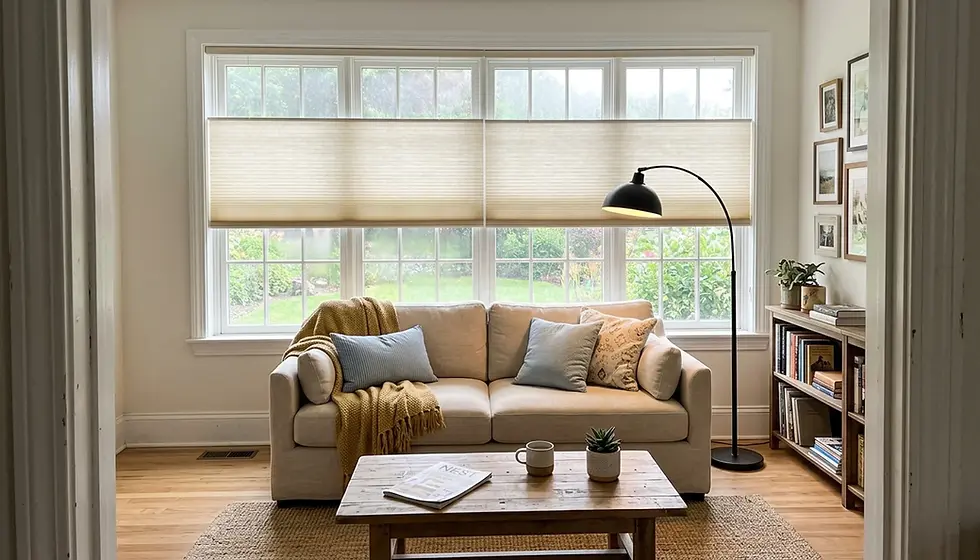
If your current cellular shades are past the point where dusting and spot-cleaning can restore them, a fresh installation might be the better investment. Request a free in-home consultation with Home Blinds and Floors and we'll help you choose a cellular fabric built to handle your home's specific light, humidity, and maintenance needs.
Content powered by inkSTR.co


Comments