.avif)
.avif)
.avif)
Alabama Blinds Buying Guide: What to Look for in 2026


Alabama blinds need to handle intense sun, high humidity, and, closer to the Gulf Coast, salt air, all conditions that standard big-box blinds are rarely built for. The right choice depends on your window's exposure, your budget, and whether you want manual or motorized control, and it starts with a proper in-home measurement rather than a guess off a store shelf.
Key Takeaways
The U.S. blinds and shades market was estimated at $5.03 billion in 2026, up from $4.64 billion in 2026, growing at a projected 8.37% annual rate through 2034, according to MarketDataForecast.
Alabama's blind and shade manufacturing sector generated $6.2 million in 2026 across just 5 businesses and 32 employees, growing 1.4% annually since 2021, according to IBISWorld.
Custom blinds typically run $70 to $600 per window depending on material, size, and motorization, a range that applies across most U.S. markets including the Delmarva Peninsula and Alabama's Gulf Coast.
Faux wood and composite materials generally outperform real wood in humid or coastal climates, resisting warping and cracking far better over multiple seasons.
Motorized blinds compatible with Alexa, Google Home, or Apple HomeKit are becoming a standard request, not a luxury add-on, in both Alabama and Mid-Atlantic coastal markets in 2026.
Professional in-home consultation and installation reduces measurement error and voided warranties, a common outcome of DIY blind installation.
If you searched for alabama blinds, you're probably staring at a window that either has no covering at all or one that's warped, faded, or stuck halfway up. That's a familiar starting point. Whether you're in Birmingham dealing with humidity swings, in Mobile fighting salt air off the Gulf, or working on a coastal property here on the Delmarva Peninsula, the underlying decision is the same: pick a material and installer that match your climate, not just your color scheme.
At Home Blinds and Floors, we've spent years measuring and installing window treatments in coastal homes across Delaware and Maryland's Eastern Shore, and the questions homeowners ask about sun exposure, humidity, and material durability are nearly identical to what Alabama homeowners face. This guide walks through what actually matters when choosing blinds, shades, or shutters in a demanding climate, whether that climate is Gulf Coast humidity or Atlantic salt air.
By the end, you'll know which materials hold up, what a fair price range looks like in 2026, and what questions to ask any installer before you sign a contract.
Who Has the Best Quality Blinds?
Blind quality comes down to three factors: the material's resistance to warping and fading, the precision of the manufacturing tolerances, and the quality of the installation, not just the brand name on the headrail. A premium hardwood blind installed crooked in a humid room will underperform a mid-tier faux wood blind installed correctly with proper clearance for expansion.
Specifically, look for blinds with reinforced headrails, UV-stabilized PVC or polymer slats for sun-heavy rooms, and cordless or motorized lift systems that reduce mechanical wear. Composite and faux wood blinds resist cracking better than solid hardwood in rooms with fluctuating humidity, which matters as much in a Birmingham sunroom as it does in a Rehoboth Beach, DE cottage a block from the water.
As a result, the "best" blind isn't a single product line, it's the right material and lift mechanism matched to the specific room. A bathroom needs moisture resistance. A south-facing living room needs UV-stable slats. A rental unit needs cordless durability. We walk homeowners through this room-by-room during every in-home consultation, because the wrong pairing shows up as damage within a single season.

Are Costco Blinds Good Quality?
Big-box and warehouse-store blinds are typically manufactured to standard sizes with limited customization, which means they rarely fit non-standard or oversized windows without gaps or overhangs. They can be a reasonable stopgap for a rental unit on a tight budget, but they generally fall short for windows with unusual proportions, bay configurations, or Alabama and coastal homes with tall picture windows.
The core tradeoff is fit versus price. A warehouse blind might cost less upfront, but a poor fit lets in light gaps, wastes energy, and often looks visibly "off" compared to a custom-fabricated blind. Additionally, warehouse-store product lines tend to offer fewer material options for high-humidity or high-UV environments, which is exactly the condition many Alabama and Delmarva homes face.
For a straightforward rectangular window in a low-humidity room, a warehouse blind can work fine. For anything oddly shaped, oversized, or in a demanding climate, custom fabrication closes the fit and durability gap. This is one of the most common upgrade calls we get: a homeowner replacing warehouse blinds that warped or gapped within a year or two.
What Blinds Are Currently in Style in 2026?
Window treatment trends in 2026 favor cordless and motorized lift systems, wider two-and-a-half-inch faux wood slats, and layered treatments that pair a functional blind with a soft shade or drapery panel for texture. Zebra-style dual shades and honeycomb cellular shades are also seeing strong demand for their energy efficiency and clean, minimal look.
Specifically, matte black or bronze hardware has replaced polished metal as the preferred finish for modern coastal and farmhouse-style homes. Wide-slat faux wood blinds in warm neutral tones remain a top choice for both Alabama ranch-style homes and Eastern Shore colonials, since the wider slat provides better light control with fewer visible lines.
Motorization is the biggest shift. According to industry growth data, smart and automated window coverings are one of the primary drivers behind the broader blinds and shades market's expansion, projected to grow the U.S. market from $5.03 billion in 2026 toward $9.57 billion by 2034, per MarketDataForecast. Homeowners increasingly want blinds that integrate with Alexa, Google Home, or Apple HomeKit rather than a pull cord.
If you're weighing style options for a specific room, our guide to custom blinds covers slat widths and finishes in more depth, and our breakdown of faux wood vs. real wood blinds is directly relevant if you're deciding between the two most requested materials in humid climates.
Who Sells a Better Blind Brand?
No single blind brand is universally "better" because performance depends on the material line, the lift mechanism, and how well the installer sizes and mounts the product for your specific window. What separates a strong provider isn't just the brand catalog, it's the combination of in-home measurement accuracy, material guidance suited to your climate, and installation quality.
Home Blinds and Floors offers products across multiple trusted manufacturer lines, giving homeowners a range from affordable manual blinds to premium motorized shades, with every order backed by a free in-home consultation where we bring physical samples and measure your actual window openings. We don't sell a single house brand and push it regardless of fit. Instead, we evaluate your room's light exposure, humidity level, and existing decor, then recommend the material and lift system that will actually last.
Other regional providers exist across the broader window treatment market, and some Alabama-based companies have served their local metro areas for decades. What we hear most from homeowners who switch to us after a bad experience elsewhere is that the previous installer didn't account for coastal humidity or oversized window openings, which led to warping or gapping within a year or two.
How Much Does Custom Blind Installation Cost in 2026?
Custom blind installation typically costs between $70 and $600 per window depending on material, size, and whether the lift system is manual or motorized, a range consistent across most U.S. regional markets in 2026. Basic vinyl or aluminum mini blinds sit at the low end, while wood, plantation shutters, and motorized cellular shades sit at the high end.
Specifically, faux wood blinds for a standard window typically fall in the middle of that range, offering a strong durability-to-cost ratio for humid or coastal rooms. Motorization adds a meaningful premium per window, but it also reduces long-term wear on cords and lift mechanisms, which matters most in rental properties and vacation homes where guests operate the blinds daily.
The table below breaks down typical price ranges by material and lift type, which you can use as a starting benchmark before requesting a quote.
Material / Type | Typical Price Range (per window) | Best Suited For |
Vinyl or aluminum mini blinds | $70 to $150 | Rentals, budget rooms, low humidity |
Faux wood blinds | $150 to $300 | Bathrooms, kitchens, coastal or humid rooms |
Real wood blinds | $200 to $400 | Formal living rooms, dry interior rooms |
Cellular / honeycomb shades | $150 to $450 | Bedrooms, energy efficiency priority |
Plantation shutters | $300 to $600 | Coastal-grade composite for salt air exposure |
Motorized upgrade (any type) | Adds $150 to $300 | Smart home integration, hard-to-reach windows |
These figures are directional estimates based on typical U.S. custom window treatment pricing and industry margin data, not a fixed quote. Every home's window count, size, and material choice shifts the final number, which is exactly why a free in-home consultation matters more than a website price list. Home Blinds and Floors offers this consultation across the Delmarva Peninsula, including Rehoboth Beach, Lewes, and Ocean City, MD, and it's the only way to get an accurate number for your specific windows.
Which Blind Materials Actually Hold Up in Humid or Coastal Climates?
Faux wood and composite blinds consistently outperform real wood and low-grade vinyl in humid or salt-air environments because they resist moisture absorption, which is the primary cause of warping, cracking, and paint peeling at the joints. This applies equally to a Gulf Coast home in Mobile and a bayside cottage in Milton, DE.
Real wood blinds and shutters look warm and formal, but wood is porous. In a bathroom, a sunroom, or any window within a mile or two of open water, wood absorbs ambient moisture, swells, then contracts as it dries, and that repeated cycle is what causes the stress cracks and bowed louvers we see constantly during coastal consultations. Composite and PVC-based shutters don't have that expansion problem.
Solar shades and cellular shades with moisture-resistant fabric backing are a strong secondary option for rooms where you want a softer look than hard blinds but still need humidity resistance. For sliding glass doors facing open water or a pool, vertical fabric or PVC panels handle both UV exposure and moisture better than horizontal blinds. Our guide to the best vertical shades for sliding glass doors covers this scenario in more detail if you have large glass openings facing the water.

What Should You Expect During a Free In-Home Consultation?
A free in-home window treatment consultation is a scheduled visit where a specialist measures your actual window openings, brings physical material samples, and evaluates your room's specific light and humidity conditions before recommending a product. This process typically takes 20 to 45 minutes per room, depending on window count and complexity.
First, the consultant walks through the space and notes each window's orientation, since a south-facing room needs different UV protection than a shaded north-facing one. Then, they bring fan decks and physical slat or fabric samples so you can see and touch the actual material in your home's lighting, rather than guessing from a catalog photo online.
Finally, the consultant measures each opening with professional tools, accounting for mounting depth, existing trim, and any obstructions like handles or locks on French doors. This step eliminates the measurement error that causes most DIY and warehouse-store blind returns. Home Blinds and Floors provides this exact process free of charge across the Delmarva Peninsula, from Annapolis and Kent Island, MD down to Rehoboth Beach and Ocean City, DE and MD.
If you're not sure which window treatment category fits your space yet, browsing our custom window treatments resources before your appointment can help you arrive with better questions.
What Are Common Mistakes to Avoid When Buying Blinds?
The most common blind-buying mistake is choosing a material based on appearance alone without accounting for the room's actual humidity and sun exposure. This single decision drives most of the warranty claims and early replacements we see across coastal markets.
Skipping professional measurement. A quarter-inch error on an oversized window creates a visible gap that lets light and heat through the edges.
Choosing real wood for a bathroom or sunroom. Wood swells and cracks in humid rooms; faux wood or composite handles it far better.
Ignoring lift mechanism durability in rentals. Corded blinds in a vacation rental break down fast under repeated guest use; cordless or motorized options last longer.
Assuming custom always costs significantly more. Faux wood custom blinds often land close to warehouse-store pricing once you factor in the reduced returns and better fit.
Overlooking motorization compatibility. If you already run Alexa or Apple HomeKit, confirm the motorized shade you're considering actually integrates before you buy.
Avoiding these five mistakes is largely why we recommend an in-home consultation over an online order for any window that isn't a standard size in a low-humidity room.
How Do Different Providers Compare on Durability, Warranty, and Installation Quality?
Provider quality for whole-house blind and shutter projects comes down to three measurable factors: how the material performs over multiple humid seasons, what the warranty actually covers beyond the manufacturer's base terms, and whether installation is handled by trained technicians or subcontracted labor. These factors matter more than brand recognition alone.
Warehouse-model retailers and some franchise installers prioritize volume and speed, which can mean less time spent on room-specific material guidance during the sales visit. Other regional providers, including several companies operating across Alabama such as ProBlinds, along with longtime installers like Western Drapery, serve their local metro areas with their own consultation and installation processes.
Home Blinds and Floors takes a different approach for the Delmarva Peninsula: every project starts with an in-home consultation focused specifically on coastal material performance, not just style. We carry a range of manufacturer lines spanning affordable manual blinds through premium motorized shades, and our installation team handles the full process from measurement through mounting, rather than routing the job through a subcontractor network. For homeowners comparing durability, warranty coverage, and installation quality, that consistency from first measurement to final install is the differentiator that shows up years later, not just on install day.
How Does Professional Installation Compare to DIY?
Professional installation eliminates the two most common DIY failure points: measurement error and improper wall or trim mounting, both of which can void a manufacturer's warranty. A blind mounted a half-inch off level is visible from across the room, and a bracket screwed into drywall without proper anchoring will eventually sag under the weight of a heavier faux wood or motorized headrail.
DIY installation can work for a single lightweight vinyl blind in a low-traffic room. It becomes riskier for multi-window projects, oversized openings, or any motorized product that requires electrical or Wi-Fi setup. Additionally, most manufacturer warranties require professional installation documentation for full coverage, so a DIY install can leave you without recourse if a slat warps prematurely.
For homeowners weighing the two, the labor savings from DIY rarely offset the cost of a redo once fit or leveling issues show up. Professional installation typically takes two to four hours for a standard-sized room, handled start to finish by a trained technician.
Practical Guidance: How to Choose the Right Blinds for Your Home
Choosing the right blinds starts with matching material to room conditions before considering style or price. Follow this sequence for the most reliable outcome:
Identify each room's exposure. South and west-facing windows need UV-stable slats; bathrooms and kitchens need moisture resistance.
Set a realistic budget range. Use the $70 to $600 per window range above as a planning benchmark, then confirm with an in-home quote.
Decide on manual versus motorized. High or hard-to-reach windows, rentals, and smart-home households benefit most from motorization.
Schedule an in-home consultation. Bring questions about warranty terms, lead times, and material performance in your specific climate.
Confirm installation is included. Ask whether the quote covers full professional installation or just the product.
If you're weighing shades instead of hard blinds for a specific room type, our modern window treatments for kitchens guide and our single vs. double cell shades guide both walk through material tradeoffs relevant to humid rooms.
Frequently Asked Questions
How does one blind provider compare to another for whole-house shutters, looking at durability, warranty, and installation quality?
Durability and warranty coverage depend more on the specific material line and installation process than on brand name alone. Composite and faux wood shutters generally outperform solid wood in humid or coastal climates, and providers that offer full in-house installation, rather than subcontracted labor, tend to deliver more consistent results across a whole-house project. Always ask what the warranty covers beyond the manufacturer's base terms before committing.
How do you clean blinds properly?
Dust horizontal blinds weekly with a microfiber duster or a vacuum brush attachment, working from top to bottom with the slats closed. For a deeper clean, wipe faux wood or vinyl slats with a damp cloth and mild soap solution, then dry immediately to prevent water spotting. Real wood blinds should never be soaked; use a dry or barely damp cloth only, since moisture is the primary cause of warping.
How do you clean vertical blinds?
Vertical blinds can be dusted in place using a vacuum's brush attachment run down each vane, or removed individually and wiped with a damp cloth for fabric or PVC vanes. Fabric vertical vanes with removable covers can often be spot-cleaned or, in some cases, laundered on a gentle cycle, check the manufacturer's care tag first. Avoid soaking any vane with a weighted bottom chain, since trapped moisture can cause the chain mechanism to rust.
How do you remove blinds for cleaning or replacement?
Most horizontal blinds lift off their mounting brackets by tilting the headrail forward or pressing a release tab on each bracket, check for a small lever on the underside. For blinds without a visible release, gently pull the headrail down and out at a slight angle while supporting both ends evenly. If a bracket feels stuck or the mechanism resists, stop and contact your installer rather than forcing it, since brackets can be brand-specific.
How much do custom blinds typically cost?
Custom blinds typically range from $70 to $600 per window depending on material, size, and whether the lift system is manual or motorized, based on typical U.S. custom window treatment pricing in 2026. Faux wood blinds generally fall in the $150 to $300 range, while motorized upgrades add roughly $150 to $300 more per window. An in-home consultation is the only way to get an accurate number for your specific windows.
What is the difference between light-filtering and blackout shades?
Light-filtering shades allow diffused natural light through the fabric while maintaining privacy, making them a good fit for living rooms and kitchens. Blackout shades use a tighter weave or lined backing to block nearly all outside light, which works best in bedrooms or media rooms where full darkness matters. Some cellular shade lines offer a dual option, light-filtering on top and blackout on the bottom, for flexible control throughout the day.
Are motorized blinds compatible with Alexa, Google Home, or Apple HomeKit?
Many motorized blind and shade systems available in 2026 do integrate with Alexa, Google Home, and Apple HomeKit, though compatibility varies by manufacturer and hub requirements. Confirm compatibility with your specific smart home ecosystem before ordering, since some motorized lines require a separate bridge device to connect. Home Blinds and Floors can confirm compatibility during your in-home consultation based on the product line you're considering.
Do cordless blinds hold up better than corded blinds in rental properties?
Cordless blinds generally last longer in rental and vacation properties because there's no dangling cord mechanism for guests or children to pull, tangle, or break. Corded lift systems are the most common point of mechanical failure in high-turnover rentals, requiring frequent repair or replacement. Motorized options offer an even more durable alternative for properties with frequent guest turnover, since there's no manual mechanism at all.
Conclusion: Choosing Blinds Built for Your Climate in 2026
Whether you're outfitting a home in Alabama's Gulf Coast humidity or a coastal cottage on the Delmarva Peninsula, the same principle holds: match the material to the climate, get an accurate in-home measurement, and don't let style choices override durability in high-moisture rooms. The U.S. blinds and shades market's projected growth to $9.57 billion by 2034 reflects real demand for smarter, more durable window coverings, not just a design trend.
Home Blinds and Floors brings that same coastal-climate expertise to every consultation across Rehoboth Beach, Lewes, Bethany Beach, Ocean City, and the surrounding Delmarva communities, offering products from affordable manual blinds through premium motorized shades, backed by professional installation. If your current blinds are warping, gapping, or just not keeping up with the sun, a free in-home consultation is the fastest way to find out what actually works for your specific windows.
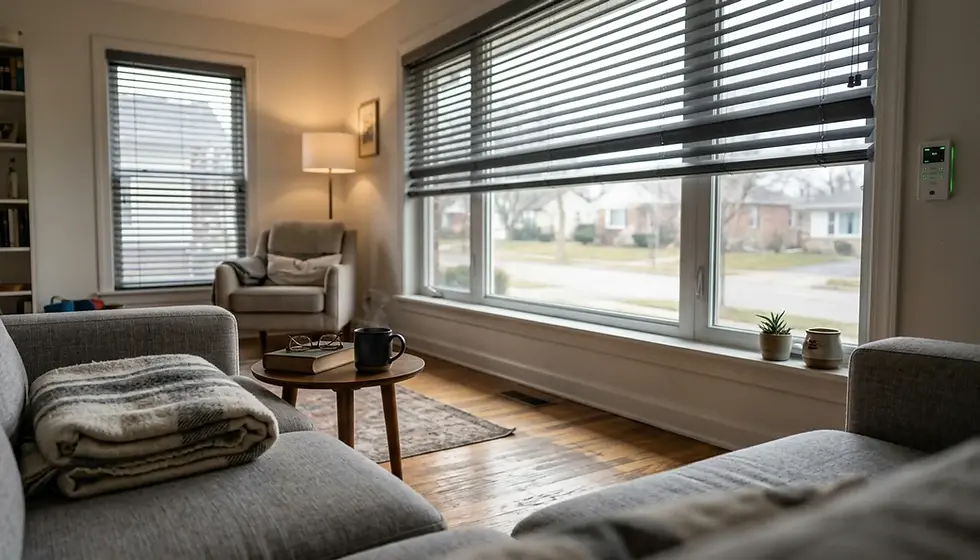
If humidity and salt air have already taken a toll on your current window treatments, a free in-home consultation with Home Blinds and Floors is the most direct way to get a material recommendation and accurate quote built specifically for your windows, not a warehouse-store approximation.
Content powered by inkSTR.co


Comments