.avif)
.avif)
.avif)
Exterior Bahama Shutters: 9 Things You Must Know


Exterior Bahama shutters are top-hinged, louvered panels that mount above a window and angle outward like a permanent awning, providing sun shading, natural ventilation, and privacy from a single installation. According to Angi's 2026 Hurricane Shutters Cost Guide, installed Bahama shutters typically run $140 to $350 per window for standard configurations, with hurricane-rated aluminum systems reaching $52 to $55 per square foot in high-wind coastal zones. For Delmarva Peninsula homeowners dealing with intense summer sun and Atlantic weather, they are one of the most practical exterior window treatment options available.
Exterior Bahama shutters hinge at the top and angle outward, offering shade and ventilation without blocking the window opening entirely.
Installed cost runs $140 to $350 per window for decorative models; hurricane-rated aluminum versions reach $52-$55 per square foot, per Angi's 2026 data.
Material options include wood, fiberglass, and aluminum; powder-coated aluminum lasts longest in salt-air coastal climates.
Hurricane-rated versions meet Florida Building Code and FEMA wind-load standards; decorative versions do not, even when they look identical.
Bahama shutters can block up to 90% of UV rays when angled, according to StormShielder's published performance data.
Home Blinds and Floors provides professional shutter consultation and installation across Rehoboth Beach, Lewes, Ocean City, and the broader Delmarva Peninsula.
Bahama shutters have become increasingly popular along the Eastern Seaboard not just for their tropical aesthetic but for genuine functional reasons. Salt air corrodes standard aluminum blinds within two to three years on many coastal properties. A properly specified Bahama shutter, installed on a powder-coated aluminum or composite frame, can outlast those treatments by a decade or more. Knowing the differences between product types, materials, and installation requirements before you commit to a purchase saves you from a costly do-over.
This guide covers every major decision point: construction, cost, hurricane ratings, installation steps, material comparisons, and long-term maintenance. Whether you're outfitting a beach cottage in Bethany Beach, a waterfront home on Kent Island, or a commercial property in Ocean Pines, the details below apply directly to your situation. Where relevant, we'll note how shutter installation guidance translates specifically to Delmarva's climate and building conditions.
What Are Exterior Bahama Shutters and How Do They Work?
Exterior Bahama shutters are louvered window panels hinged at the top of the window frame, designed to pivot outward on a continuous top hinge and rest at an adjustable angle using support arms mounted to the wall below. Unlike traditional colonial shutters, which swing to the sides, a Bahama shutter uses a single panel per window and extends outward like an awning, blocking overhead sun while allowing air movement and maintaining sightlines. They are also commonly called Bermuda shutters or Caribbean-style shutters, and the three names refer to the same product type.
The operating hardware is straightforward. A continuous top hinge spans the full width of the panel and attaches to the wall above the window opening. Two support arms, sometimes called shutter stays or extension poles, extend from wall-mounted brackets (often called camel brackets) and connect to the bottom of the shutter panel. Tension knobs on those arms let you set the angle precisely. For storm conditions, the shutter drops flat, and locking pins or Z-clamps engage through the camel brackets to hold it secure against wind pressure.
For sizing, industry standard practice calls for adding at least 3 inches of total width to the window opening, roughly 1.5 inches of overlap on each side. Vertical sub-stiles within the panel allow Bahama shutters to be constructed much wider than standard louvered colonial shutters without warping, which is why you see them on larger picture windows and double-window openings across coastal architecture. As of 2026, manufacturers are trending toward deeper louver profiles and richer shadow lines that emphasize the three-dimensional character of the shutter on the facade.

What Are the Pros and Cons of Bahama Shutters?
Bahama shutters offer a combination of passive solar control, natural ventilation, and architectural character that few other exterior window treatments match. The main advantages are genuine and measurable; the drawbacks are mostly cost and complexity-related rather than performance-related.
Advantages worth knowing about:
UV blocking: When angled at roughly 45 degrees, Bahama shutters can block up to 90% of UV rays, per StormShielder's published performance data. That is a meaningful reduction for fabrics, flooring, and furniture inside the home.
Passive ventilation: The angled louvers direct airflow downward and inward, allowing windows to stay open during light rain without water intrusion on the sill.
Storm versatility: Hurricane-rated models drop flat and lock, converting from a sun-shade product to a wind-rated protective panel without any additional hardware.
Curb appeal: The tropical silhouette works with coastal, craftsman, and low-country architectural styles that are common throughout the Delmarva Peninsula and Maryland's Eastern Shore.
Year-round use: Unlike fabric awnings that need to be retracted or stored, aluminum and composite Bahama shutters stay mounted through all seasons.
Drawbacks to plan around:
Higher upfront cost than colonial or board-and-batten shutters, particularly for hurricane-rated aluminum systems.
Professional installation is strongly recommended, especially on two-story facades or when motorization is involved. Labor runs $45 to $100 per hour, per industry benchmarks.
Decorative models look identical to hurricane-rated versions from the street, but provide no certified storm protection. Buyers sometimes pay decorative pricing and assume they have impact coverage. They do not.
HOA or historic preservation board approval may be required in some communities before installation, particularly in established coastal neighborhoods with architectural guidelines.
Can You See Outside with Bahama Shutters?
Yes, you can see clearly outside with Bahama shutters in their standard angled-open position. When the shutter rests at approximately 45 degrees, the louver blades direct your sightline downward toward the yard and street while blocking the overhead sun angle that causes glare and heat gain. The effect is similar to looking under a sun visor in a car: the view ahead is unobstructed, and the blinding overhead light is cut. This is one of the specific advantages Bahama shutters hold over roll-down shutters or panel systems, which block the view entirely when deployed.
Adjusting the angle changes the privacy and view trade-off. A steeper angle, closer to vertical, increases shade and privacy from neighbors or passersby at street level but reduces how much you can see out. A shallower angle opens up the view but lets more direct sun past the panel. Most homeowners settle on a fixed angle that works for their orientation and leave it there for the season, adjusting only when storm conditions require locking the panel flat.
For Delmarva homeowners with eastern or western exposures, particularly on properties in Lewes, Rehoboth Beach, or Bethany Beach where late-afternoon sun can overheat a room fast, this angle adjustability makes a noticeable difference in interior temperature. Our team at Home Blinds and Floors regularly sees homeowners underestimate how much solar heat gain through untreated windows adds to cooling costs before installing exterior treatments. Bahama shutters address the problem at the source, before heat enters the glass, which is fundamentally more efficient than interior shades or blinds reacting after the fact. You can also explore complementary interior solutions in our outdoor view enhancements content for a layered approach.
Are Bahama Shutters Expensive? A Real Cost Breakdown
Bahama shutter costs vary significantly by material, hurricane rating, and installation complexity. Based on data from Angi's 2026 Hurricane Shutters Cost Guide and HomeGuide's 2026 Hurricane Shutters Cost report, here is a practical cost comparison across the main product categories.
Product Type | Cost Per Window (Installed) | Cost Per Sq Ft (Installed) | Best For |
Decorative Wood Bahama Shutters | $140: $250 | $20: $35 | Interior-facing or sheltered facades |
Decorative Aluminum or Composite | $150: $300 | $22: $40 | Coastal facades, low-maintenance priority |
Hurricane-Rated Aluminum (standard) | $200: $350 | $30: $50 | Wind-zone compliance, storm protection |
Hurricane-Rated Aluminum (premium, FL-rated) | $300: $500+ | $52: $55 | High-risk coastal zones, insurance premium reduction |
Motorized Bahama Shutters | $400: $700+ | $50: $70+ | Accessibility, smart home integration |
Labor adds $45 to $100 per hour depending on region and job complexity. Second-story installations and motorized wiring add time and cost. A full-home project covering eight to twelve windows can total $2,000 to $8,000, with the higher end reflecting hurricane-rated systems on larger coastal properties, per Angi's 2026 cost guide data.
One honest caveat: budget-planning without a professional measurement and consultation will get you close but not exact. Window-to-window variation in frame depth, sill projection, and trim overhang all affect what hardware is needed. For accurate figures specific to your Delmarva home, a free in-home consultation is the most reliable path. For context on how window treatment project costs compare across product categories, our guide to how much custom blinds cost on the Delmarva Peninsula provides useful benchmarks.

What Is the Best Type of Exterior Shutter for Coastal Homes?
For coastal homes on the Delmarva Peninsula and Maryland's Eastern Shore, powder-coated aluminum Bahama shutters are the most durable long-term exterior shutter choice. Aluminum does not absorb moisture, will not warp in salt-saturated air, and resists corrosion when properly coated. Composite materials, often fiberglass-reinforced polymers, are a strong alternative for homeowners who want the look of painted wood without the maintenance exposure. Untreated or poorly sealed wood, by contrast, degrades quickly in coastal conditions: salt air and humidity accelerate rot, particularly in louvered panels where moisture can collect in horizontal blade gaps.
Bahama shutters specifically outperform colonial shutters in coastal settings for one practical reason: fewer hardware contact points. Colonial shutters hinge on the sides and use multiple hinges per panel plus a shutter dog at the base to hold them open. Each of those metal contact points is a corrosion risk. Bahama shutters use a single continuous top hinge and two support arms. That simpler hardware profile means fewer points of failure in a salt-air environment.
The comparison with accordion and roll-down shutters is worth a brief note. Accordion and roll-down systems offer more complete hurricane protection and faster deployment, but they are primarily functional rather than aesthetic. Bahama shutters fill the gap between decorative shutters that offer no protection and storm systems that look industrial when not deployed. For Delmarva homeowners who want year-round curb appeal and seasonal storm readiness in a single product, hurricane-rated Bahama shutters are the most practical answer. Our custom shutters resource covers how to match shutter style to your home's architectural character across the full range of exterior options.
How Do You Choose Between Wood, Fiberglass, and Aluminum Bahama Shutters?
Material selection for exterior Bahama shutters comes down to three factors: climate exposure, budget, and aesthetic priority. Each material has a clear use case, and in the coastal Mid-Atlantic climate of the Delmarva Peninsula, two of the three materials have a meaningful durability advantage over the third.
Wood Bahama Shutters: Wood produces the most visually warm, architecturally traditional result and accepts paint finishes that composite and aluminum cannot fully replicate. The trade-off is maintenance. In a salt-air environment like Ocean City, Rehoboth Beach, or Lewes, wood shutters require repainting or re-sealing every two to four years. Without that upkeep, louver blades swell, crack, and eventually split at the joinery. Wood remains a reasonable choice for properties with protected facades, sheltered porches, or inland installations in Centreville, Easton, or Salisbury where direct coastal exposure is minimal.
Fiberglass and Composite Bahama Shutters: Fiberglass-reinforced composite materials mimic the dimensional look of wood grain without absorbing moisture. They hold paint well, do not warp, and require considerably less maintenance than wood. Cost sits between wood and aluminum. For homeowners who want a natural wood appearance on a coastal property without annual maintenance, composite is the right call.
Aluminum Bahama Shutters: Aluminum is the most durable material for direct coastal exposure and is the only material available in hurricane-rated configurations. Powder coating protects the substrate from chloride corrosion. Most aluminum Bahama shutters are available in a wide range of colors to match trim or body paint, and the finish typically holds for fifteen to twenty years before needing attention. If your property sits within a few blocks of open water, on Kent Island, in Bethany Beach, or along the Rehoboth Bay waterfront, aluminum is the practical recommendation. Skip wood entirely at those exposures.
Hurricane-Rated vs. Decorative Bahama Shutters: Which Do You Need?
Hurricane-rated Bahama shutters are engineered, third-party tested panels that meet specific wind-load and impact standards, including Florida Building Code (FBC) requirements or Miami-Dade County NOA certification for the highest-risk zones. Decorative Bahama shutters are visually identical products that carry no such testing and provide no verified protection against wind pressure or wind-driven debris. This distinction matters far more than most buyers realize when they're comparing product photos online.
According to data published by StormShielder, a significant portion of Bahama-style shutters visible in parts of Florida are decorative-only models. Buyers in those cases paid for the aesthetic without getting the protection. In Maryland and Delaware coastal communities, the same risk exists. If storm protection is part of your reason for choosing Bahama shutters, verify before purchasing that the product carries a certified wind-load rating and that the installer can provide documentation.
A few practical points on compliance for Delmarva and Eastern Shore properties:
Many coastal municipalities require permits for permanently mounted storm-protection systems, particularly when structural wall attachments or motorized wiring are involved. Confirm with your local building department before installation.
Insurance premium discounts for storm shutters are insurer-specific. Discounts typically require documented certification of the product's wind-load rating. Decorative models do not qualify.
Some jurisdictions with historic district designations or active HOAs restrict exterior shutter installation. Cambridge and Annapolis, for example, both have historic district guidelines that affect exterior modifications.
If you are primarily purchasing for sun control, privacy, and aesthetics rather than storm protection, a well-specified decorative aluminum Bahama shutter delivers excellent long-term value at a lower price point. Just do not assume it adds storm protection because it looks like a hurricane shutter.
How Are Exterior Bahama Shutters Installed?
Exterior Bahama shutter installation involves five main steps: sizing, hinge attachment, bracket placement, support arm connection, and hardware adjustment. Most manufacturers recommend professional installation, particularly for hurricane-rated systems where structural attachment points and leveling tolerances directly affect the product's performance under wind load.
Measure and size the panel. Add a minimum of 3 inches of total width to the window opening (1.5 inches per side) for proper coverage and visual proportion. Measure height based on the full window frame from head to sill.
Mount the continuous top hinge. Position the hinge header flush with the top edge of the window frame. Divide the hinge length by 8 and round up to determine the number of mounting screws needed. Mark the first two holes 1 inch from either end, then space the remaining holes evenly. Begin fastening from the far right screw, check level, then complete the remaining fasteners.
Install the camel brackets. Camel brackets mount to the wall on each side of the window below the panel. Their vertical position determines the angle at which the shutter rests when open.
Attach and adjust the support arms. Support arms extend from the camel brackets to the bottom edge of the shutter. Tension knobs allow fine adjustment of the resting angle. Most installers set the default angle at 35 to 45 degrees from the wall.
Test the locking hardware. For hurricane-rated models, release the shutter to hang vertically and engage the locking pins or Z-clamps through the camel brackets. Some certified models use integrated sliding pin latches instead of Z-clamps; these do not require separate Z-clamp hardware.
A note on retrofitting over existing windows: the most common complication on Delmarva properties involves older aluminum or vinyl window frames with narrow head sections. The hinge header needs a solid substrate at least 1.5 inches wide to anchor properly. On tight frames, installers often add a wood or composite nailer block above the frame before mounting the hinge. This adds time and minor material cost but prevents hinge pull-out under load. Discuss this specifically with your installer during the consultation rather than discovering it on installation day.

How Do You Maintain Bahama Shutters Long-Term?
Exterior Bahama shutter maintenance is straightforward but needs consistency, especially in coastal environments where salt chloride deposits accumulate on hardware and louvered surfaces between rain events. A basic annual maintenance routine protects the investment and extends functional life well beyond what you would get from neglected shutters, regardless of material quality.
Rinsing: In direct salt-air locations, such as properties within a quarter mile of open water in Rehoboth Beach, Lewes, or Ocean City, rinse aluminum or composite Bahama shutters with fresh water every one to two months. A standard garden hose is sufficient. Chloride buildup is what drives corrosion under powder coatings, and fresh water removes it before it concentrates. Properties further inland, such as those in Easton, Centreville, or Salisbury, can extend rinsing intervals to once or twice per year.
Hardware inspection: Once per year, inspect the continuous hinge, camel brackets, support arms, and locking pins for surface rust, corrosion pitting, or loosened fasteners. Aluminum hardware in salt-air environments rarely corrodes through the substrate quickly, but dissimilar-metal contact points (aluminum bracket against stainless screw against painted steel wall anchor) can develop galvanic corrosion at the interface. Catching this early costs nothing. Replacing structural hardware after it fails costs significantly more.
Lubrication: Use a marine-grade corrosion inhibitor rather than standard aerosol lubricants on hinge pivot points and tension knobs. Standard aerosol lubricants evaporate faster in humid coastal conditions and sometimes leave residues that attract particulate buildup. Marine-grade products are formulated for the exposure level.
Paint and coating touch-ups: Powder-coated aluminum holds its finish well, but chips from debris impacts can expose bare metal. Touch up chips with manufacturer-matched paint within one season of the damage. Small chips become large corrosion patches quickly in direct coastal exposure. For wood shutters in sheltered locations, plan a full repaint or reseal every three to four years as a preventive measure rather than waiting for visible deterioration.
One thing our consultants at Home Blinds and Floors consistently point out to new shutter customers: the maintenance gap between aluminum and wood is not obvious when looking at showroom samples. It becomes very obvious after the first two years on a property facing the Atlantic. Build the maintenance reality into your material decision from the start, not after you are already committed to a product.
Frequently Asked Questions About Exterior Bahama Shutters
What are exterior Bahama shutters?
Exterior Bahama shutters are top-hinged, louvered window panels that mount above the window frame and angle outward like a permanent awning, using a single panel per window. They provide sun shading, natural ventilation, UV blocking, and privacy, and in hurricane-rated configurations, certified storm protection. They are also commonly called Bermuda shutters or Caribbean-style shutters, and all three names refer to the same product.
Are Bahama shutters expensive?
Standard decorative Bahama shutters typically cost $140 to $350 per window installed, according to Angi's 2026 Hurricane Shutters Cost Guide. Hurricane-rated aluminum versions in high-wind coastal zones reach $52 to $55 per square foot installed, per Eurex Shutters' 2026 Florida cost data. A full-home project covering eight to twelve windows commonly totals $2,000 to $8,000 depending on material, rating, and installation complexity. Motorized systems add cost above those ranges.
Can you see outside with Bahama shutters?
Yes, with Bahama shutters angled at approximately 45 degrees, outward visibility is clear while overhead sun is blocked. Adjusting to a steeper angle increases shade and privacy but reduces the view. When lowered flat for storm protection, visibility through the panel is eliminated. This adjustable sightline is one of the functional advantages Bahama shutters hold over roll-down or panel storm systems.
What are the pros and cons of Bahama shutters?
Pros include up to 90% UV blocking, passive ventilation, year-round architectural presence, adjustable sun control, and optional hurricane protection in rated models. Cons include a higher upfront cost than colonial shutters, the need for professional installation on most facades, and the fact that decorative models provide no certified storm protection despite looking identical to hurricane-rated versions. HOA approval requirements add another planning consideration in some communities.
What is the best type of exterior shutter for coastal homes?
For coastal environments with direct salt-air exposure, powder-coated aluminum Bahama shutters are the most durable long-term choice. Fiberglass-reinforced composite shutters are a strong alternative for homeowners who prefer the appearance of painted wood without the maintenance demands. Untreated or poorly sealed wood degrades quickly in direct coastal exposure and should be avoided on oceanfront or bay-front facades.
Do Bahama shutters require permits?
Permit requirements vary by municipality and shutter type. Permanently mounted storm-rated shutters typically require a building permit in coastal jurisdictions because they involve structural wall attachments and, in motorized systems, electrical wiring. Decorative Bahama shutters may not trigger a permit requirement. Confirm with your local building department before installation. In historic districts such as those in Cambridge or Annapolis, additional approval from a preservation board may apply.
How do you maintain exterior Bahama shutters?
Rinse aluminum or composite Bahama shutters with fresh water every one to two months in salt-air environments to remove chloride buildup. Inspect hinge hardware, support arms, camel brackets, and locking pins annually for corrosion or loose fasteners. Lubricate moving parts with a marine-grade corrosion inhibitor rather than standard aerosol lubricants. Touch up powder-coat chips promptly to prevent corrosion from establishing at exposed metal surfaces.
What is the difference between hurricane-rated and decorative Bahama shutters?
Hurricane-rated Bahama shutters are engineered and third-party tested to meet specific wind-load and impact standards such as Florida Building Code requirements or Miami-Dade County NOA certification. Decorative versions are visually identical but carry no such testing and provide no verified protection against wind-driven debris or pressure loads. If storm protection is part of your purchase decision, verify certification documentation before buying, and confirm your installer can provide the paperwork required for insurance discount eligibility.
Choosing the Right Bahama Shutters for Your Home
Exterior Bahama shutters sit at the intersection of architectural character, passive solar control, and storm readiness in a way that few other window treatment products achieve. The global window shutters market was valued at USD 3.8 billion in 2026 and is projected to reach USD 6.0 billion by 2033, according to IMARC Group research, with coastal and storm-protection demand driving a meaningful share of that growth. The product category earns that investment when correctly specified for the climate, but it also produces expensive disappointments when buyers choose on aesthetics alone without understanding the hurricane-rated versus decorative distinction or the material durability gap between aluminum and wood in salt-air conditions.
For Delmarva Peninsula homeowners, the practical recommendation is straightforward. If your property faces open water or sits within a few blocks of the Atlantic or Chesapeake Bay coastline, aluminum is the only material worth serious consideration. If you want storm protection rather than decoration, verify the hurricane rating before signing anything. And if you are comparing Bahama shutters to accordion or roll-down systems, remember that Bahama shutters are the only storm-capable product that functions as a year-round architectural element rather than an emergency deployment system stored out of sight.
Home Blinds and Floors works with coastal homeowners across Rehoboth Beach, Lewes, Bethany Beach, Ocean City, Ocean Pines, and the broader Delmarva Peninsula to select, specify, and professionally install exterior shutters suited to the specific demands of Eastern Shore architecture and climate. The consultation process covers material selection, hurricane rating requirements, sizing, color matching to existing trim, and HOA compliance where relevant. If you are ready to move from research to a real project quote, the next step is a free in-home consultation. Get started with Home Blinds and Floors to schedule yours.
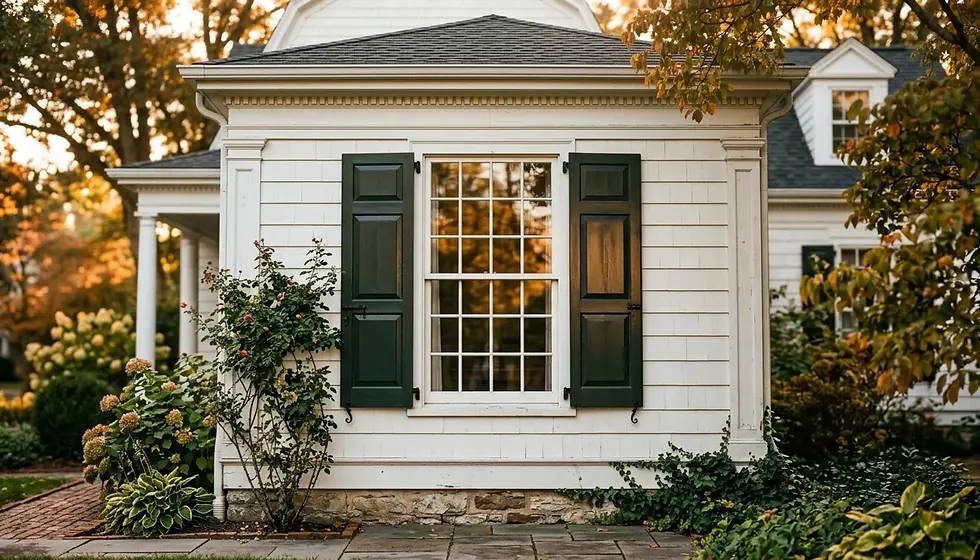
Professional installation makes a measurable difference in shutter performance and longevity. From hinge alignment and screw spacing to support arm tension and locking hardware verification, the details that determine whether your Bahama shutters last twenty years or need replacement in eight are almost entirely in the installation. Contact Home Blinds and Floors to discuss your specific windows, your exposure level, and the right product for where you live on the peninsula.


Comments